
肠道-脑轴中的微生物多样性与适应性:对阿尔茨海默病发育风险的影响
Microbial diversity and fitness in the gut-brain axis: influences on developmental risk for Alzheimer's disease.
作者信息
Jamerlan Angelo M, An Seong Soo A, Hulme John P
机构信息
Department of Bionanotechnology, Bionano Research Institute, Gachon University, Seongnam-si, Republic of Korea.
出版信息
Gut Microbes. 2025 Dec;17(1):2486518. doi: 10.1080/19490976.2025.2486518. Epub 2025 Apr 10.
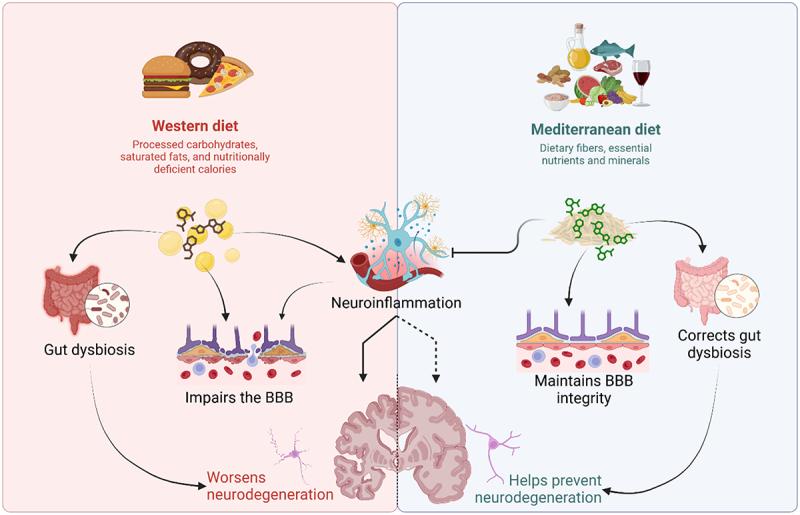
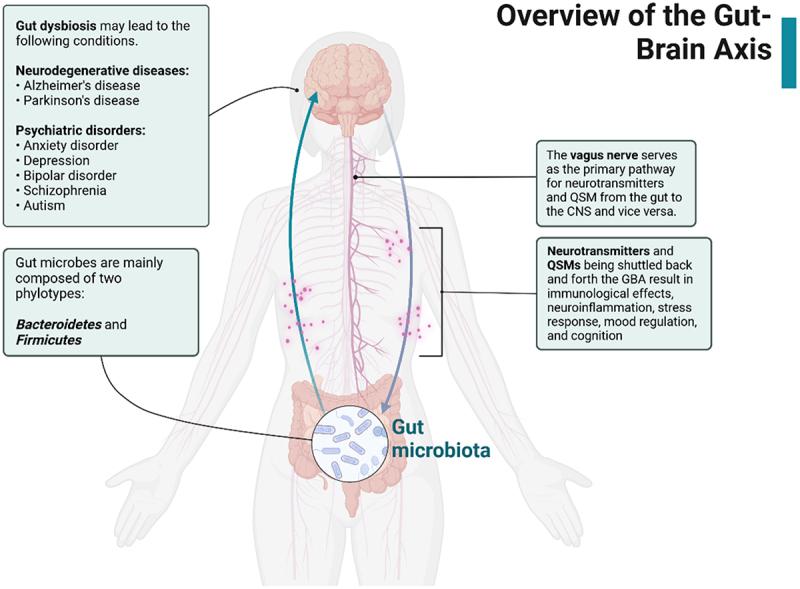
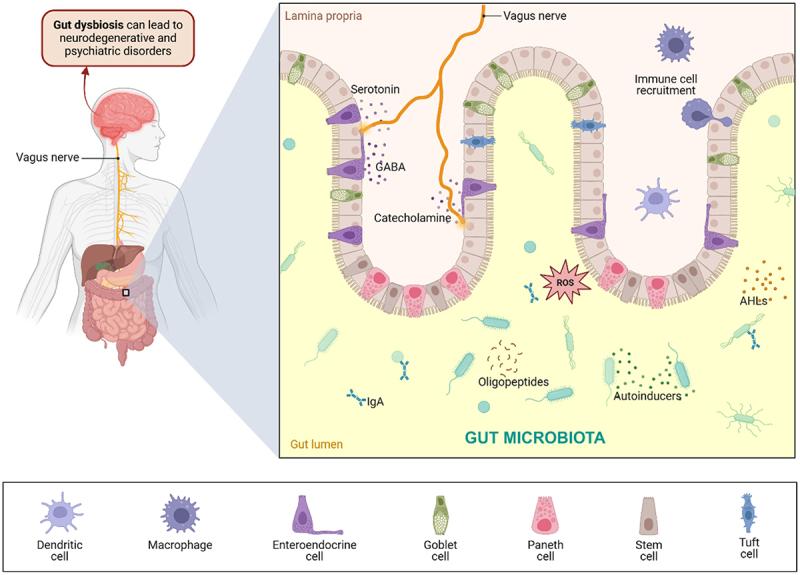
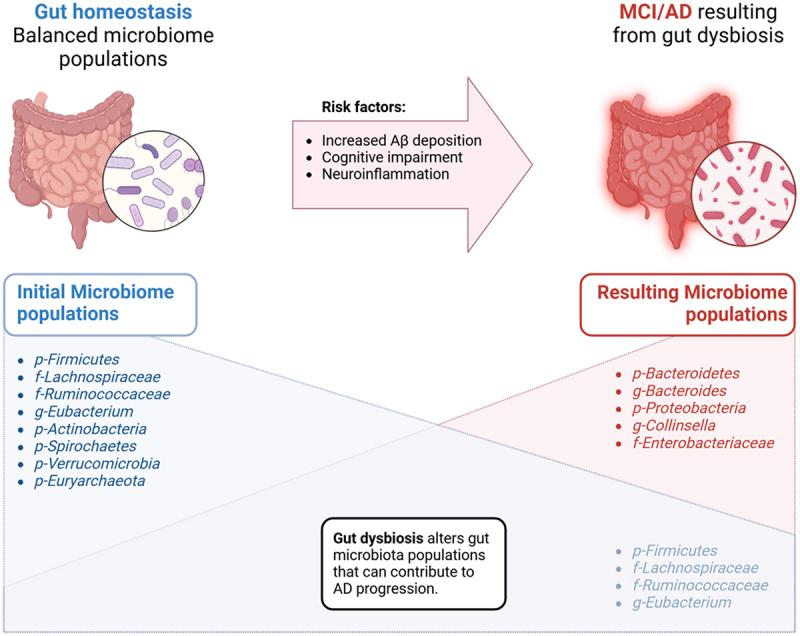
The gut-brain axis (GBA) denotes the dynamic and bidirectional communication system that connects the gastrointestinal tract and the central nervous system (CNS). This review explored this axis, focusing on the role of microbial diversity and fitness in maintaining gastrointestinal health and preventing neurodegeneration, particularly in Alzheimer's disease (AD). Gut dysbiosis, characterized by the imbalance in populations of beneficial and harmful bacteria, has been associated with increased systemic inflammation, neuroinflammation, and the progression of AD through pathogenic mechanisms involving amyloid deposition, tauopathy, and increased blood-brain barrier (BBB) permeability. Emerging evidence highlighted the therapeutic potential of probiotics, dietary interventions, and intermittent fasting in restoring microbial balance, reducing inflammation, and minimizing neurodegenerative risks. Probiotics and synbiotics are promising in helping improve cognitive function and metabolic health, while dietary patterns like the Mediterranean diet were linked to decreased neuroinflammation and enhanced gut-brain communication. Despite significant advancement, further research is needed to elucidate the specific microbial strains, metabolites, and mechanisms influencing brain health. Future studies employing longitudinal designs and advanced omics technologies are essential to developing targeted microbiome-based therapies for managing AD-related disorders.
肠-脑轴(GBA)指的是连接胃肠道和中枢神经系统(CNS)的动态双向通信系统。本综述探讨了这一轴,重点关注微生物多样性和适应性在维持胃肠道健康及预防神经退行性疾病,特别是阿尔茨海默病(AD)中的作用。肠道菌群失调的特征是有益菌和有害菌种群失衡,它与全身炎症、神经炎症增加以及通过涉及淀粉样蛋白沉积、tau蛋白病变和血脑屏障(BBB)通透性增加的致病机制导致的AD进展有关。新出现的证据突出了益生菌、饮食干预和间歇性禁食在恢复微生物平衡、减轻炎症和最小化神经退行性风险方面的治疗潜力。益生菌和合生元有望帮助改善认知功能和代谢健康,而诸如地中海饮食等饮食模式与神经炎症减少和肠-脑交流增强有关。尽管取得了重大进展,但仍需要进一步研究以阐明影响大脑健康的特定微生物菌株、代谢产物和机制。采用纵向设计和先进组学技术的未来研究对于开发基于微生物群的靶向疗法来管理与AD相关的疾病至关重要。
 Zotero 插件