
蔓越莓提取物通过下调lncRNA GAS-5和抑制焦亡途径改善大鼠糖尿病认知障碍。
Cranberry Extract Ameliorates Diabetic Cognitive Impairment in Rats Via LncRNA GAS-5 Downregulation and Pyroptosis Pathway Inhibition.
作者信息
Abo-Saif Mariam Ali, Ragab Amany E, Talaat Iman M, Saber-Ayad Maha, Ibrahim Amera O, Selim Hend Mostafa
机构信息
Biochemistry Department, Faculty of Pharmacy, Tanta University, Tanta, 31527, Egypt.
Department of Pharmacognosy, Faculty of Pharmacy, Tanta University, Tanta, 31527, Egypt.
出版信息
J Neuroimmune Pharmacol. 2025 Apr 21;20(1):44. doi: 10.1007/s11481-025-10199-1.
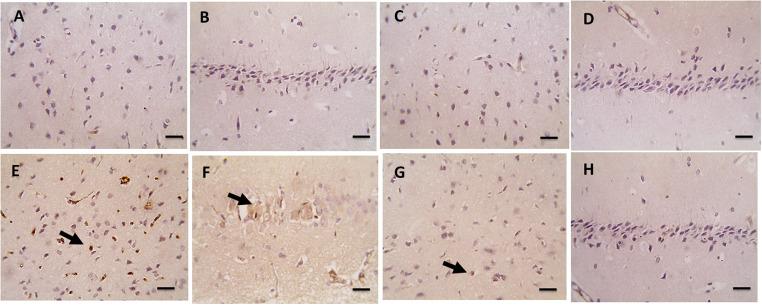
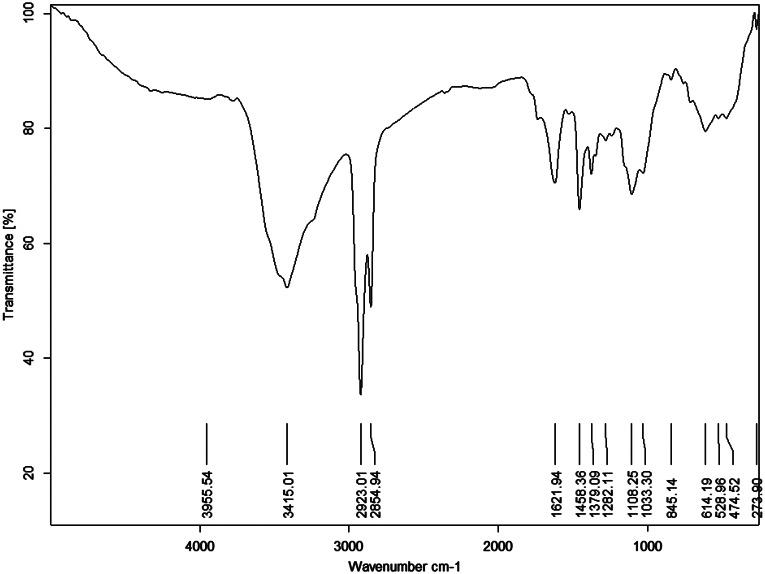
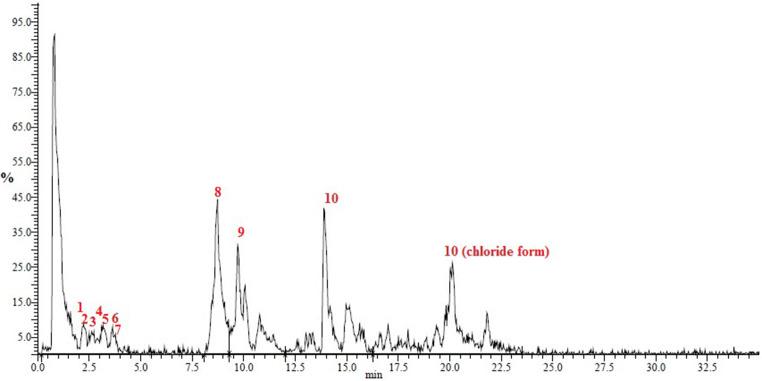
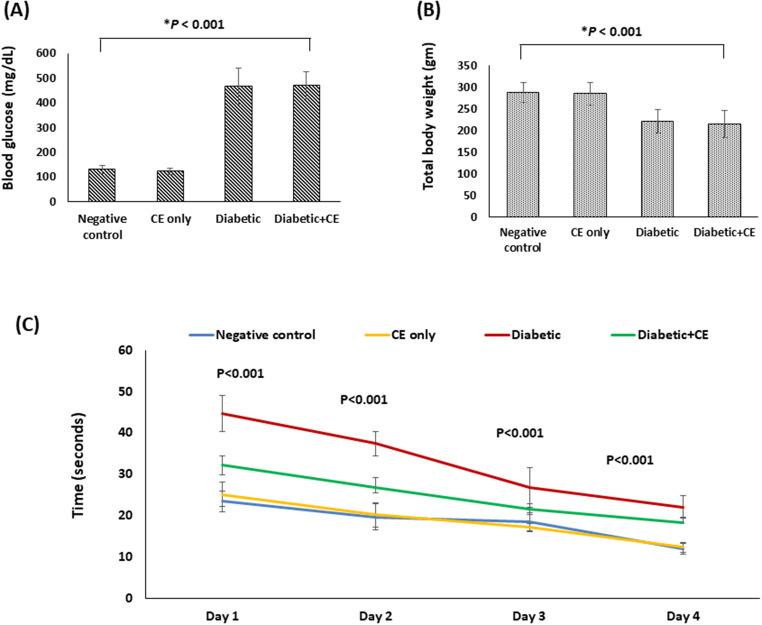
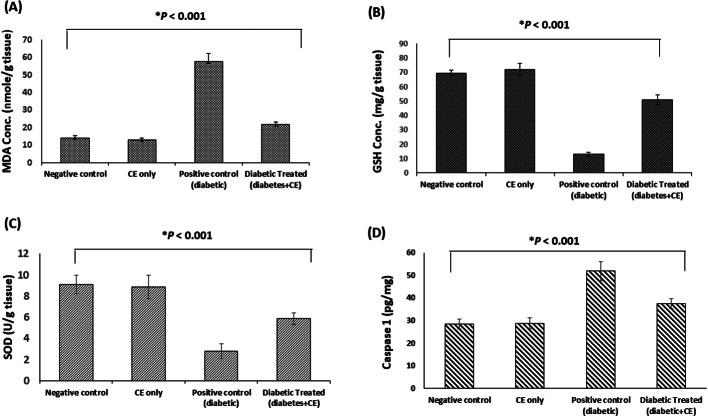
The pathophysiology of diabetes-induced brain injury involves pyroptosis, an inflammatory programmed cell death. This study aimed to investigate the potential protective effect of cranberry extract (CE) against diabetes-induced brain injury. Type 1 diabetes was induced by intraperitoneal injection of streptozotocin in rats. Brain tissue samples were investigated for biochemical determination of the reduced glutathione (GSH), superoxide dismutase (SOD), and malondialdehyde (MDA), and the quantitative RT-PCR for the gene expression of glial cell-derived neurotrophic factor (GDNF), lncRNA GAS-5, and pyroptosis markers. ELISA was used to determine the caspase-1 level and immunohistochemical staining for assessing IL-1β. Prophylactic dosing of the CE in diabetic rats improved cognitive behavior and significantly suppressed MDA concentration, pyroptosis genes expression (gasdermin D and caspase 1), and lncRNA GAS-5. In addition, CE significantly elevated GSH concentration, SOD activity, and gene expression of GDNF and markedly reduced IL-1β positive stained cells score in the brain. Phytochemical characterization of the CE by FT-IR and UPLC-PDA-MS/MS revealed cyanidin arabinoside, procyanidins, quercetin, and isorhamnetin as key components. CE protects against diabetes-induced cognitive dysfunction in rats by targeting redox-related signaling pathways and inducing an anti-inflammatory effect. LncRNA GAS-5 downregulation and pyroptosis pathway inhibition may contribute to its beneficial effects, suggesting its therapeutic potential.
糖尿病诱导的脑损伤的病理生理学涉及细胞焦亡,这是一种炎症性程序性细胞死亡。本研究旨在探讨蔓越莓提取物(CE)对糖尿病诱导的脑损伤的潜在保护作用。通过腹腔注射链脲佐菌素诱导大鼠患1型糖尿病。对脑组织样本进行生化检测,测定还原型谷胱甘肽(GSH)、超氧化物歧化酶(SOD)和丙二醛(MDA)的含量,并通过定量RT-PCR检测胶质细胞源性神经营养因子(GDNF)、lncRNA GAS-5和细胞焦亡标志物的基因表达。采用ELISA法测定caspase-1水平,免疫组化染色法评估IL-1β。对糖尿病大鼠预防性给予CE可改善认知行为,并显著抑制MDA浓度、细胞焦亡基因表达(gasdermin D和caspase 1)以及lncRNA GAS-5。此外,CE显著提高了GSH浓度、SOD活性以及GDNF的基因表达,并显著降低了脑中IL-1β阳性染色细胞评分。通过傅里叶变换红外光谱(FT-IR)和超高效液相色谱-光电二极管阵列-串联质谱(UPLC-PDA-MS/MS)对CE进行植物化学表征,发现花青素阿拉伯糖苷、原花青素、槲皮素和异鼠李素是关键成分。CE通过靶向氧化还原相关信号通路并诱导抗炎作用,对糖尿病诱导的大鼠认知功能障碍具有保护作用。lncRNA GAS-5的下调和细胞焦亡途径的抑制可能有助于其有益作用,表明其具有治疗潜力。


 Zotero 插件