
药物治疗对自闭症大鼠模型中端粒长度及端粒酶/保护素相关基因表达的影响
Effects of Pharmacological Treatment on Telomere Length and the Expression of Telomerase/Shelterin-Related Genes in Rat Models of Autism.
作者信息
Valeeva Elena V, Nikitin Dmitry O, Nikiforova Lubov S, Semina Irina I, Ahmetov Ildus I
机构信息
Central Research Laboratory, Kazan State Medical University, Kazan, 420012, Russia.
Laboratory of Genetics of Aging and Longevity, Kazan State Medical University, Kazan, 420012, Russia.
出版信息
J Mol Neurosci. 2025 Apr 24;75(2):55. doi: 10.1007/s12031-025-02353-4.
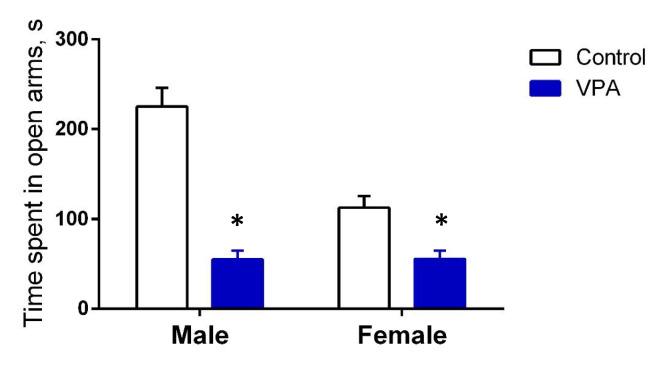
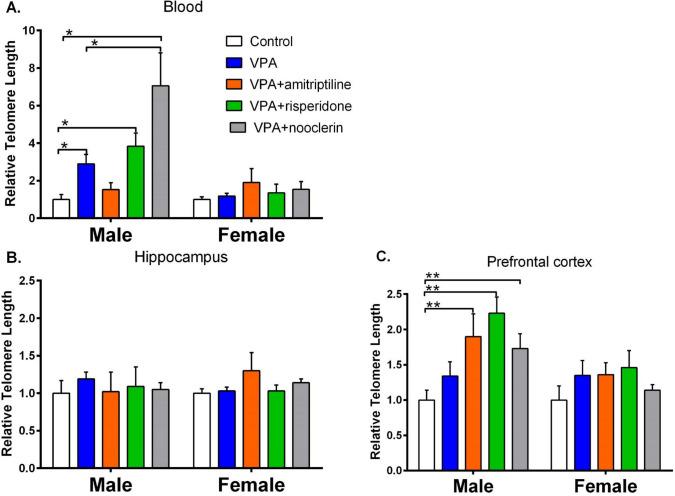
Telomeres are increasingly recognized for their potential role in the etiology of autism spectrum disorder (ASD) due to their involvement in cellular aging and telomerase-shelterin function. Although shorter telomeres have been observed in individuals with ASD, studies linking telomere dynamics in blood cells and brain regions remain limited. Using the valproic acid (VPA, 500 mg/kg) rodent model, this study aimed to assess the impact of three drugs commonly used in ASD treatment (amitriptyline, risperidone, and nooclerin) on telomere length and the expression of telomerase/shelterin-related genes (Dkc1, Gar1, Pot1a, Pot1b, Tep1, Terc, Terf2ip, Tert, Tinf2, Tnks, Tpp1, Trf1, and Trf2) in blood cells, the prefrontal cortex, and hippocampus of VPA-exposed Wistar rats. Telomere length and gene expression were measured using quantitative PCR. Risperidone treatment in VPA males resulted in telomere elongation and increased expression of Tnks in blood cell and Trf1, Trf2 genes in prefrontal cortex. Nooclerin treatment also showed beneficial effects on telomere length of blood cell in males, alongside increased Trf1 expression. Long telomeres in male blood cells were associated with reduced anxiety, while a positive correlation was found between Tpp1 expression and stereotypical behavior in both male and female VPA rats. These findings suggest that nooclerin and risperidone influence telomere length and gene expression related to the telomere-telomerase complex in a sex-dependent manner, offering insights into the neurobiological mechanisms underlying ASD.
由于端粒参与细胞衰老和端粒酶-保护素功能,其在自闭症谱系障碍(ASD)病因学中的潜在作用越来越受到认可。尽管在ASD个体中观察到较短的端粒,但将血细胞和脑区中端粒动态联系起来的研究仍然有限。本研究使用丙戊酸(VPA,500mg/kg)啮齿动物模型,旨在评估三种常用于ASD治疗的药物(阿米替林、利培酮和诺克洛林)对暴露于VPA的Wistar大鼠血细胞、前额叶皮质和海马体中端粒长度以及端粒酶/保护素相关基因(Dkc1、Gar1、Pot1a、Pot1b、Tep1、Terc、Terf2ip、Tert、Tinf2、Tnks、Tpp1、Trf1和Trf2)表达的影响。使用定量PCR测量端粒长度和基因表达。对VPA雄性大鼠进行利培酮治疗导致血细胞中端粒延长以及Tnks表达增加,前额叶皮质中Trf1和Trf2基因表达增加。诺克洛林治疗对雄性大鼠血细胞的端粒长度也显示出有益影响,同时Trf1表达增加。雄性血细胞中的长端粒与焦虑减轻相关,而在雄性和雌性VPA大鼠中,Tpp1表达与刻板行为之间均发现正相关。这些发现表明,诺克洛林和利培酮以性别依赖的方式影响与端粒-端粒酶复合体相关的端粒长度和基因表达,为ASD潜在的神经生物学机制提供了见解。


 Zotero 插件