
淋巴水肿的组织工程学方法:生物材料创新与临床潜力
Tissue engineering approaches for lymphedema: biomaterial innovations and clinical potential.
作者信息
Deshpande Pooja, Dornbrand-Lo Maya, Phondge Varoon, Kelly Patrick, Wong Alex K
机构信息
Rutgers New Jersey Medical School, Division of Plastic and Reconstructive Surgery, Newark, NJ, United States.
出版信息
Front Cell Dev Biol. 2025 Apr 15;13:1537050. doi: 10.3389/fcell.2025.1537050. eCollection 2025.
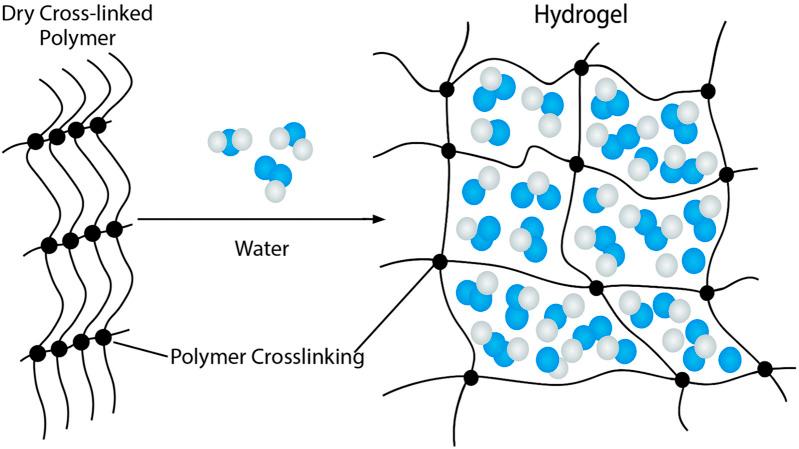
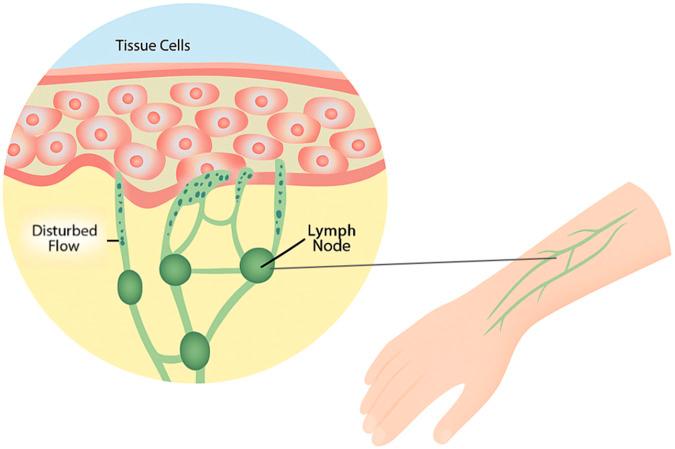
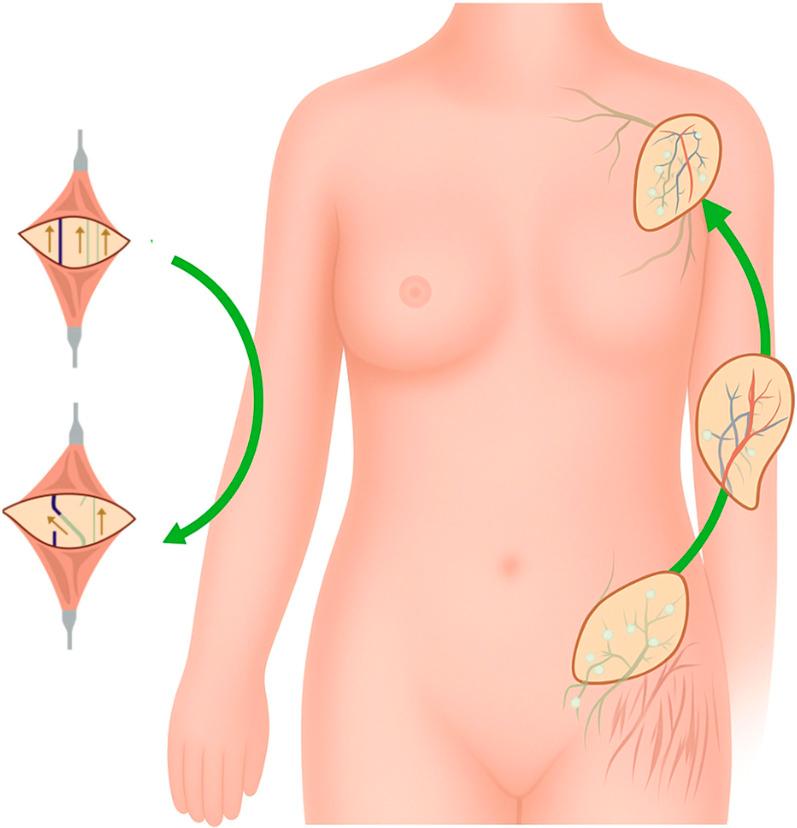
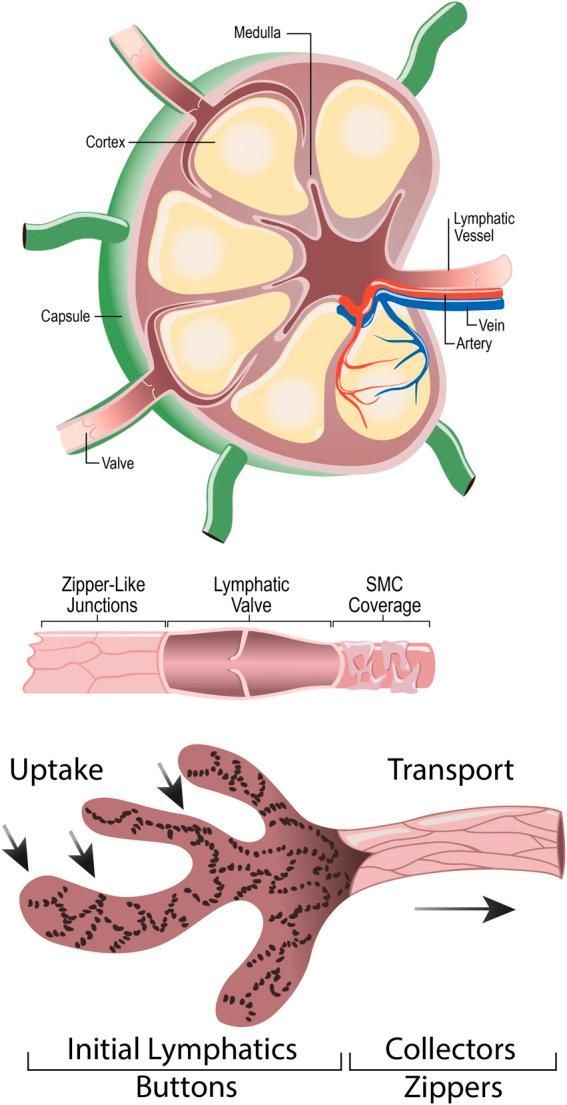
The lymphatic system plays a critical role in maintaining fluid balance and immune regulation. Lymphedema, and other lymphatic disorders, highlight the need for advanced therapeutic approaches, including tissue engineering. This review examines the latest developments in artificial lymphatic tissue engineering, focusing on scaffold materials, lymphangiogenic factors, and regenerative strategies to replicate the intricacy of lymphatic vessels and nodes. We conducted a thorough literature review of current practices and applications in lymphatic tissue engineering. Findings show that biomaterials such as hydrogels, decellularized matrices, and synthetic polymers provide effective scaffolds for lymphatic endothelial cell proliferation and lymphangiogenesis. Advances in growth factor delivery and stem-cell based therapies have further enhanced the viability of engineered lymphatic tissues. Despite promising progress, challenges in achieving functional replication of lymphatic structures and clinical translation of research remain. Ongoing research must address scaffold biocompatibility, optimized growth factor targeting, and scalable production to advance therapeutic options for lymphatic disorders. This review underscores the potential for transformative patient outcomes through innovative bioengineering solutions.
淋巴系统在维持体液平衡和免疫调节中起着关键作用。淋巴水肿及其他淋巴系统疾病凸显了包括组织工程在内的先进治疗方法的必要性。本综述探讨了人工淋巴组织工程的最新进展,重点关注支架材料、淋巴管生成因子以及复制淋巴管和淋巴结复杂性的再生策略。我们对淋巴组织工程的当前实践和应用进行了全面的文献综述。研究结果表明,水凝胶、脱细胞基质和合成聚合物等生物材料为淋巴管内皮细胞增殖和淋巴管生成提供了有效的支架。生长因子递送和基于干细胞的疗法的进展进一步提高了工程化淋巴组织的存活率。尽管取得了令人鼓舞的进展,但在实现淋巴结构的功能复制和研究的临床转化方面仍存在挑战。正在进行的研究必须解决支架生物相容性、优化生长因子靶向以及可扩展生产等问题,以推进淋巴系统疾病的治疗选择。本综述强调了通过创新生物工程解决方案实现变革性患者治疗效果的潜力。
 Zotero 插件