
战争相关创伤后应激障碍的基因改变:一项系统综述
Genetic Alterations in War-Related Post-Traumatic Stress Disorder: A Systematic Review.
作者信息
Rajabi Amir Hossein, Zafarabadi Samaneh, Jazi Kimia, Moghbel Baerz Maryam, Bahrami Omid, Azarinoush Gelareh, Habibi Pardis, Azami Negar, Paydar Shahram
机构信息
Student Research Committee, Shiraz University of Medical Sciences, Shiraz, Iran.
Student Research Committee, Mashhad University of Medical Sciences, Mashhad, Iran.
出版信息
Bull Emerg Trauma. 2025;13(1):1-19. doi: 10.30476/beat.2025.105114.1560.
OBJECTIVES
This systematic review explored gene expression and DNA methylation patterns to identify key pathways and molecular targets associated with post-traumatic stress disorder (PTSD), particularly its war-related subtype.
METHODS
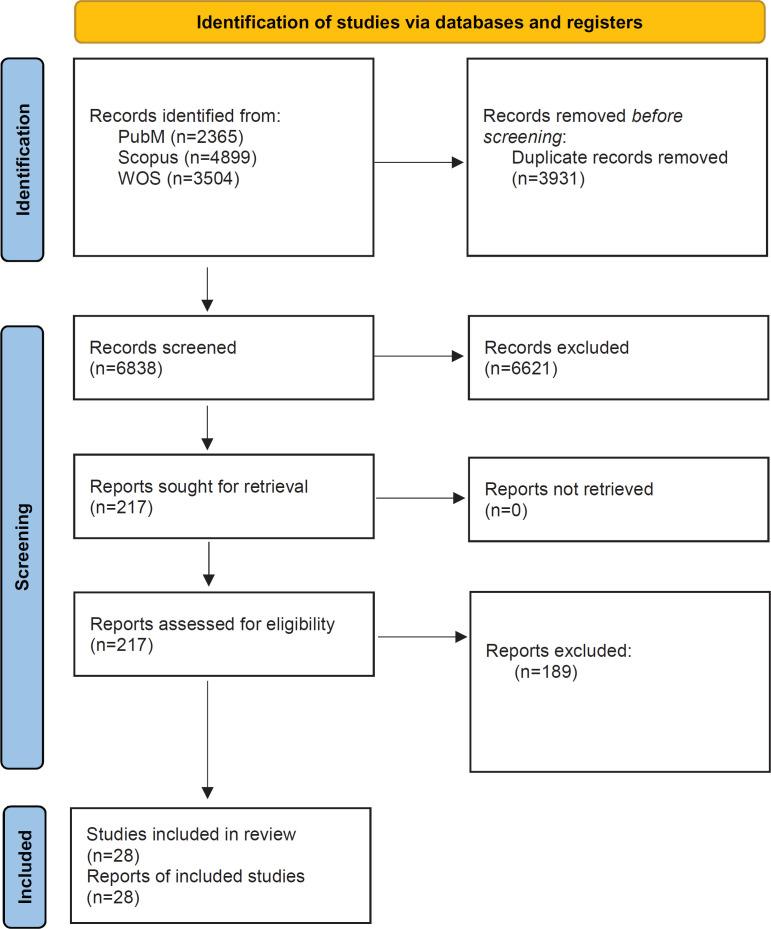
A comprehensive search of PubMed, Scopus, and Web of Science was conducted using keywords related to PTSD, gene expression, and DNA methylation. Studies published between 2000 to 2024 involving adult military personnel with confirmed PTSD based on the Diagnostic and Statistical Manual of Mental Disorders-5 (DSM-5) criteria were included. Animal studies, psychological interventions, and pharmacological research were excluded. Only cross-sectional, case-control, or cohort studies utilizing blood, saliva, or brain tissue samples were considered. Data from 28 studies were extracted using a predefined framework, focusing on population characteristics, study design, and identified hub genes.
RESULTS
Key findings revealed the upregulation of immune-related genes (e.g., CCL4, NF-κB) and hypomethylation of inflammation-related genes. Downregulation of neurodevelopmental genes, such as Brain-Derived Neurotropic Factor (BDNF) and Down syndrome cell adhesion molecule (DSCAM), highlighted disruptions in synaptic plasticity. The identified pathways suggested potential biomarkers and therapeutic targets for precision medicine approaches.
CONCLUSION
This review highlighted the role of gene expression alterations in war-related PTSD. The identified genes might serve as candidates for personalized therapies. Further research is required to validate these findings and develop targeted interventions.
目的
本系统综述探讨基因表达和DNA甲基化模式,以识别与创伤后应激障碍(PTSD)相关的关键途径和分子靶点,尤其是与战争相关的亚型。
方法
使用与PTSD、基因表达和DNA甲基化相关的关键词,对PubMed、Scopus和Web of Science进行全面检索。纳入2000年至2024年发表的、根据《精神疾病诊断与统计手册》第5版(DSM-5)标准确诊为PTSD的成年军事人员的研究。排除动物研究、心理干预和药理学研究。仅考虑使用血液、唾液或脑组织样本的横断面研究、病例对照研究或队列研究。使用预定义框架提取28项研究的数据,重点关注人群特征、研究设计和识别出的枢纽基因。
结果
主要发现显示免疫相关基因(如CCL4、NF-κB)上调,炎症相关基因低甲基化。神经发育基因如脑源性神经营养因子(BDNF)和唐氏综合征细胞粘附分子(DSCAM)下调,突出了突触可塑性的破坏。所确定的途径为精准医学方法提供了潜在的生物标志物和治疗靶点。
结论
本综述强调了基因表达改变在与战争相关的PTSD中的作用。所识别的基因可能作为个性化治疗的候选基因。需要进一步研究来验证这些发现并开发针对性干预措施。
 Zotero 插件