
埃及马里乌特干河池塘生态状况的综合评估。
A comprehensive evaluation of the ecological status of Wadi Mariout ponds, Egypt.
作者信息
Khedr Alaa I, Abdo Mohamed H, Abd Ellah Radwan G, Ibrahim Shaimaa M, Abdel-Aal Eman I, El-Hady Howayda H Abd, Khalifa Nehad, Elsebaie Heba E A, Othman Amal A, Salem Salem G, Goher Mohamed E
机构信息
National Institute of Oceanography and Fisheries, NIOF, Cairo, Egypt.
出版信息
Sci Rep. 2025 Apr 30;15(1):15256. doi: 10.1038/s41598-025-97129-6.
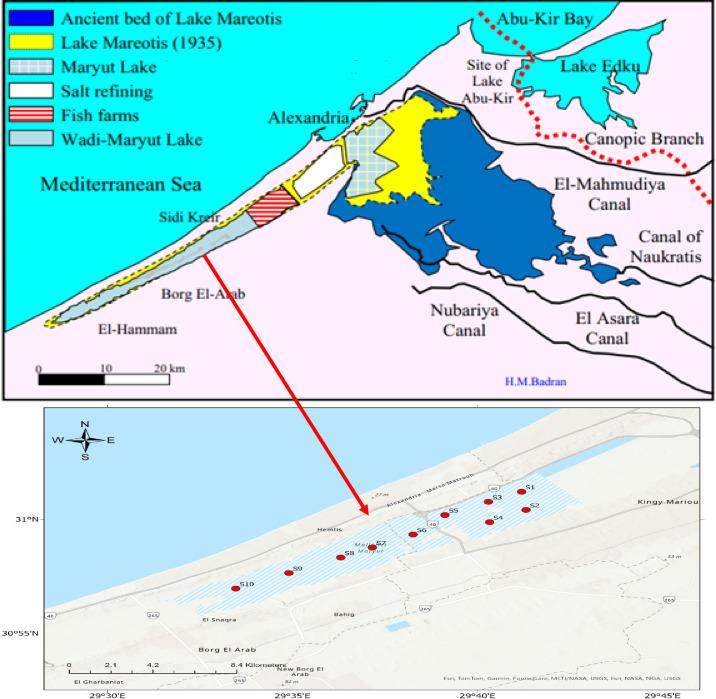
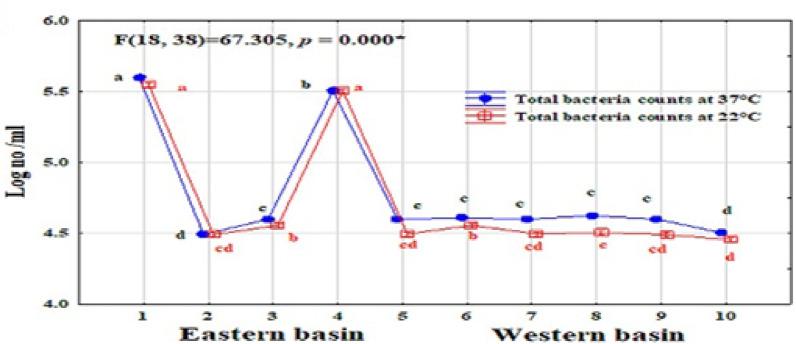
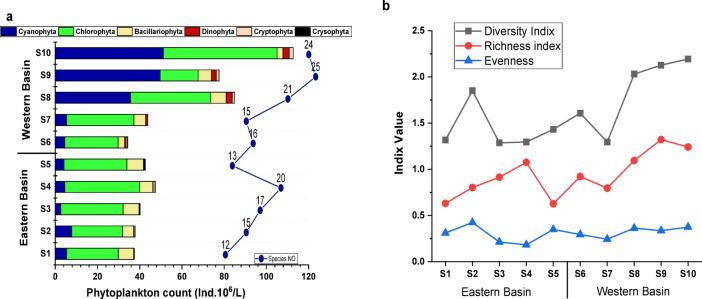
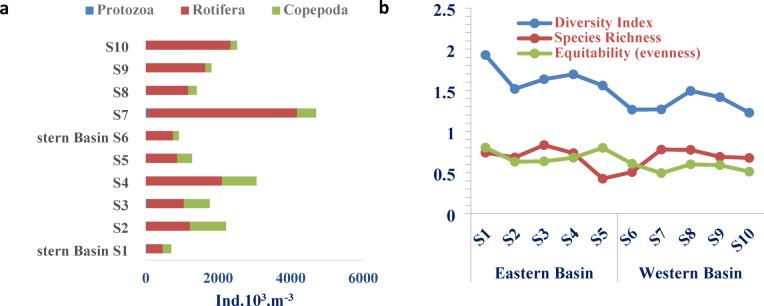
The present study is the first pioneer study on the ecological status of the Wadi Mariout ponds in the southern part of the Mediterranean Sea, Egypt. The physicochemical variables referred to brackish water (salinity: 12.28-16‰). The WQI indicated a lower water quality status in the western basin than the eastern one. The average TSI values (64.61 and 63.52) refer to high ecological productivity and poor water quality. However, the Arithmetic Water Quality Index (Ar-WQI) indicates the excellent water quality of the eastern pond for aquatic life, while the water quality of the western pond varies from good to very poor. The predominant groups' species and low biodiversity indices of phytoplankton (1.29-2.2), zooplankton (1.23-1.93), and macroinvertebrates (0.45-1.85), as well as the biochemical composition of phytoplankton, reveal a high protein-carbohydrate ratio (> 11), indicating eutrophication conditions. Also, the biotic measurements show that the phytoplankton (70.7 × 10 Ind.l) and zooplankton (23.23 × 10 Ind.m) communities were more diverse and flourished in the western basin. Nevertheless, the macrobenthic invertebrates varied more in the eastern basin, 31,284 org.m, in compared to 5750 org.m in the western one. The phytoplankton community was dominated by Chlorophyta and Cyanobacteria (79.5-93%), zooplankton by Rotifera (62.5-86.3%), and macrobenthos by Mollusca (62%) at the western basin and Annelida (38%) at the eastern one. The total bacteria count and fecal coliform value were rare in Wadi Mariout water. On the other hand, the sediment samples have more total coliform (15-3348 cfug) than the water (0-12 MPN/100). Wadi Mariout ponds, similar to Egyptian Delta lakes, suffer from the eutrophication phenomenon, which must be treated by controlling the feeding wastewater supplies of the ponds. The study sheds light on the current environmental status of Wadi Mariout lakes, serving as the first comprehensive study to assess water quality, record and classify biodiversity, and provide a precise assessment of the water body's situation. This will facilitate the effective management of these important Egyptian lakes in the future.
本研究是对埃及地中海南部瓦迪马里奥湖池塘生态状况的首次开拓性研究。理化变量表明该水体为微咸水(盐度:12.28 - 16‰)。水质指数表明西部流域的水质状况低于东部。平均综合营养状态指数值(64.61和63.52)表明生态生产力高但水质较差。然而,算术水质指数表明东部池塘的水质对水生生物而言极佳,而西部池塘的水质则从良好到极差不等。浮游植物(1.29 - 2.2)、浮游动物(1.23 - 1.93)和大型无脊椎动物(0.45 - 1.85)的优势种群物种及低生物多样性指数,以及浮游植物的生化组成显示出高蛋白 - 碳水化合物比(> 11),表明存在富营养化状况。此外,生物测量表明浮游植物(70.7×10个/升)和浮游动物(23.23×10个/立方米)群落西部流域更为多样且繁茂。然而,大型底栖无脊椎动物在东部流域变化更大,为31284个/平方米,而西部流域为5750个/平方米。西部流域浮游植物群落以绿藻门和蓝细菌为主(79.5 - 93%),浮游动物以轮虫为主(62.5 - 86.3%),大型底栖生物以软体动物为主(62%);东部流域则以环节动物为主(38%)。瓦迪马里奥湖水中的细菌总数和粪大肠菌群值很少。另一方面,沉积物样本中的总大肠菌群(15 - 3348个/克)比水体(0 - 12个/100毫升)更多。与埃及三角洲湖泊类似,瓦迪马里奥湖池塘也存在富营养化现象,必须通过控制池塘的进水废水供应来治理。该研究揭示了瓦迪马里奥湖当前的环境状况,是评估水质、记录和分类生物多样性以及精确评估水体状况的首个全面研究。这将有助于未来对这些重要的埃及湖泊进行有效管理。




 Zotero 插件