
新型冠状病毒感染中的微生物群失调:对2019冠状病毒病病理生理学和管理策略的影响
Microbiome dysbiosis in SARS-CoV-2 infection: implication for pathophysiology and management strategies of COVID-19.
作者信息
Smail Shukur Wasman, Albarzinji Niaz, Salih Rebaz Hamza, Taha Kalthum Othman, Hirmiz Sarah Mousa, Ismael Hero M, Noori Marwa Fateh, Azeez Sarkar Sardar, Janson Christer
机构信息
College of Pharmacy, Cihan University-Erbil, Erbil, Kurdistan Region, Iraq.
Department of Biology, College of Science, Salahaddin University-Erbil, Erbil, Kurdistan Region, Iraq.
出版信息
Front Cell Infect Microbiol. 2025 Apr 22;15:1537456. doi: 10.3389/fcimb.2025.1537456. eCollection 2025.
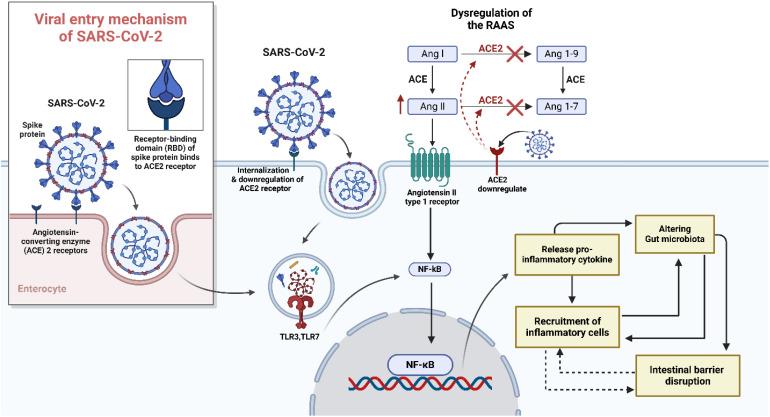
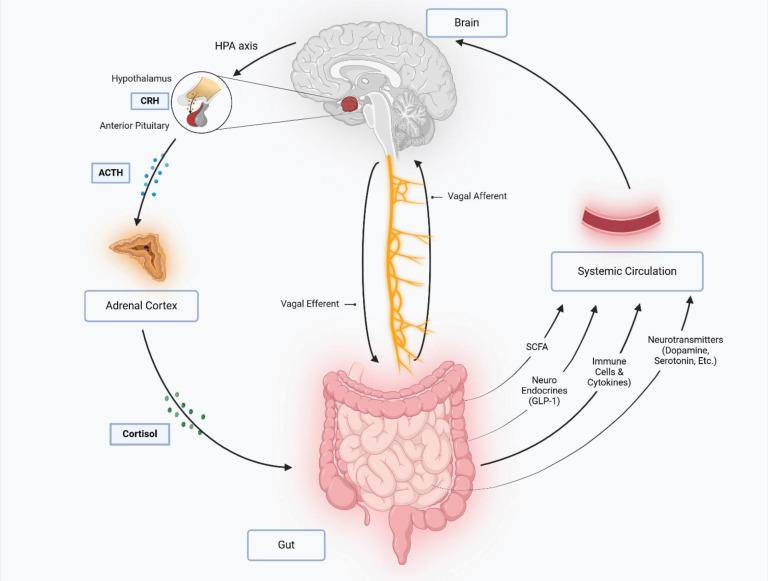
The emergence of severe acute respiratory syndrome coronavirus 2 (SARS-CoV-2), the etiological agent of coronavirus disease 2019 (COVID-19), in late 2019 initiated a global health crisis marked by widespread infection, significant mortality, and long-term health implications. While SARS-CoV-2 primarily targets the respiratory system, recent findings indicate that it also significantly disrupts the human microbiome, particularly the gut microbiota, contributing to disease severity, systemic inflammation, immune dysregulation, and increased susceptibility to secondary infections and chronic conditions. Dysbiosis, or microbial imbalance, exacerbates the clinical outcomes of COVID-19 and has been linked to long-COVID, a condition affecting a significant proportion of survivors and manifesting with over 200 symptoms across multiple organ systems. Despite the growing recognition of microbiome alterations in COVID-19, the precise mechanisms by which SARS-CoV-2 interacts with the microbiome and influences disease progression remain poorly understood. This narrative review investigates the impact of SARS-CoV-2 on host-microbiota dynamics and evaluates its implications in disease severity and for developing personalized therapeutic strategies for COVID-19. Furthermore, it highlights the dual role of the microbiome in modulating disease progression, and as a promising target for advancing diagnostic, prognostic, and therapeutic approaches in managing COVID-19.
2019年末,严重急性呼吸综合征冠状病毒2(SARS-CoV-2)作为2019冠状病毒病(COVID-19)的病原体出现,引发了一场全球健康危机,其特征为广泛感染、高死亡率以及长期健康影响。虽然SARS-CoV-2主要攻击呼吸系统,但最近的研究结果表明,它还会显著破坏人类微生物群,尤其是肠道微生物群,从而导致疾病严重程度增加、全身炎症、免疫失调,以及继发感染和慢性病易感性增加。微生物群失调,即微生物失衡,会加剧COVID-19的临床后果,并与长期新冠有关,长期新冠影响着很大一部分幸存者,表现为多个器官系统出现200多种症状。尽管人们越来越认识到COVID-19中微生物群的改变,但SARS-CoV-2与微生物群相互作用并影响疾病进展的具体机制仍知之甚少。这篇叙述性综述探讨了SARS-CoV-2对宿主-微生物群动态的影响,并评估了其对疾病严重程度的影响以及对制定COVID-19个性化治疗策略的意义。此外,它还强调了微生物群在调节疾病进展中的双重作用,以及作为推进COVID-19诊断、预后和治疗方法的有前景靶点的作用。



 Zotero 插件