
生物基聚(3-羟基丁酸酯)与聚氨酯共混物:制备、性能评估及结构分析
Bio-Based Poly(3-hydroxybutyrate) and Polyurethane Blends: Preparation, Properties Evaluation and Structure Analysis.
作者信息
Krzykowska Beata, Fajdek-Bieda Anna, Jakubus Aneta, Kostrzewa Joanna, Białkowska Anita, Kisiel Maciej, Dvořáčková Štěpánka, Frącz Wiesław, Zarzyka Iwona
机构信息
Department of Organic Chemistry, Faculty of Chemistry, Rzeszów University of Technology, Powstańców Warszawy 6, 35-959 Rzeszów, Poland.
Department of Medical Analytics, Faculty of Health Sciences, The Jacob of Paradies University in Gorzów Wielkopolski, Chopina 52, 66-400 Gorzów Wielkopolski, Poland.
出版信息
Materials (Basel). 2025 Apr 23;18(9):1914. doi: 10.3390/ma18091914.
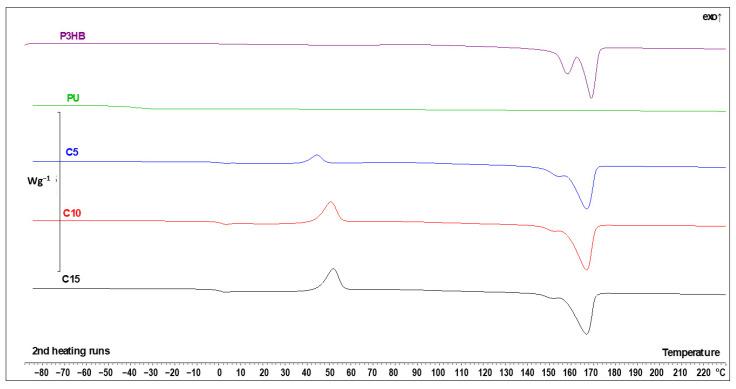
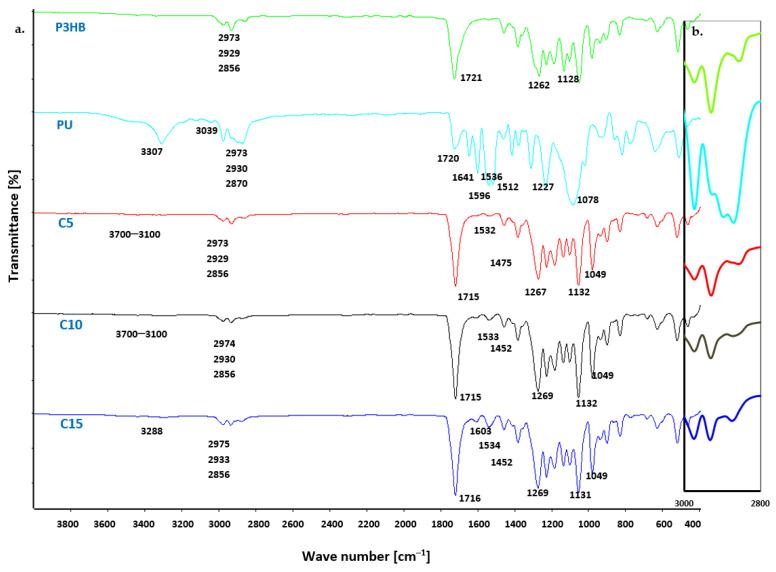
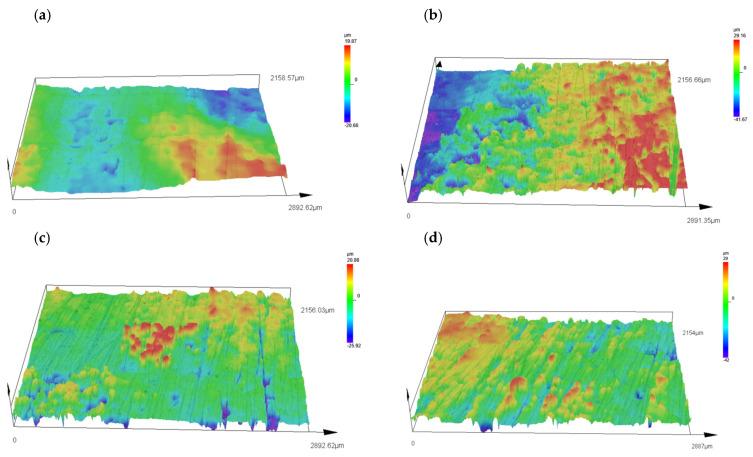
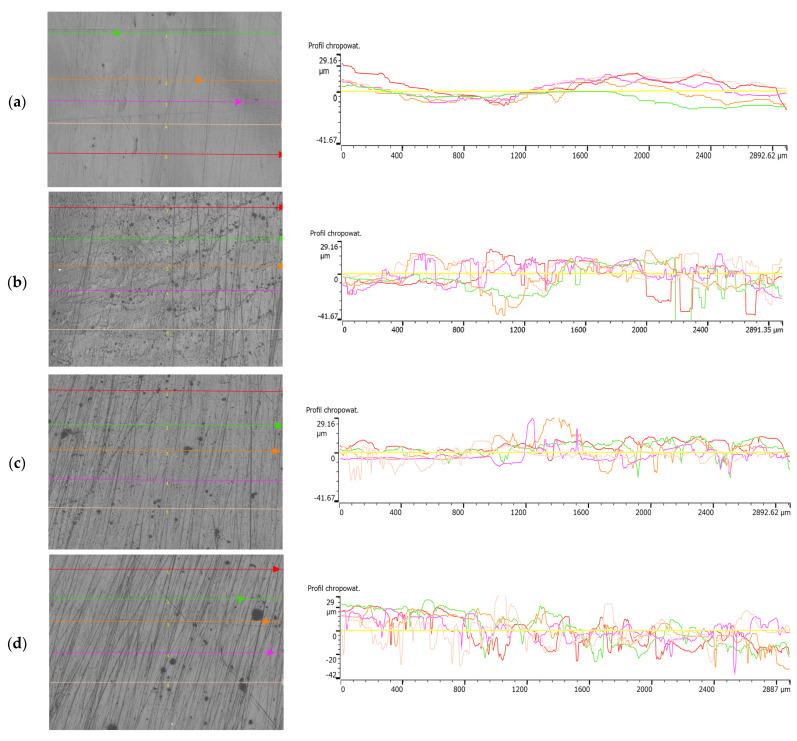
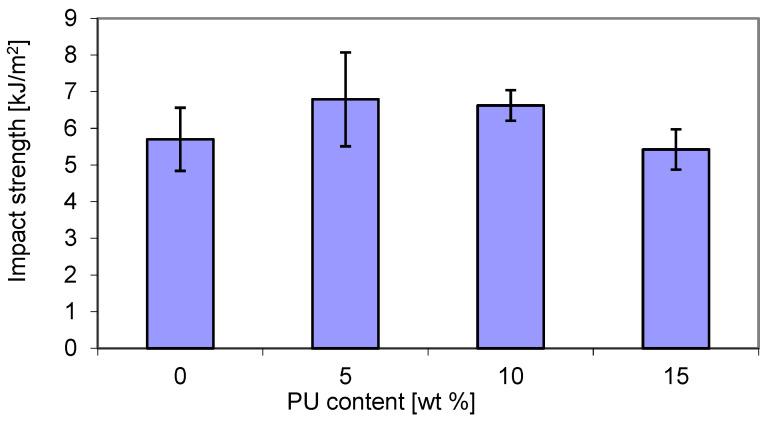
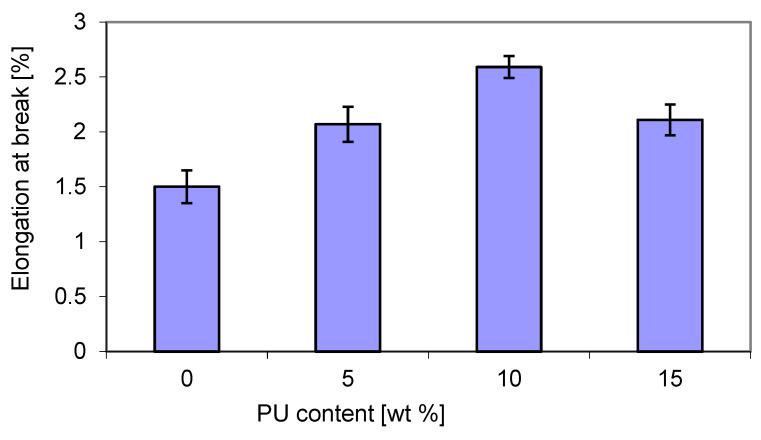
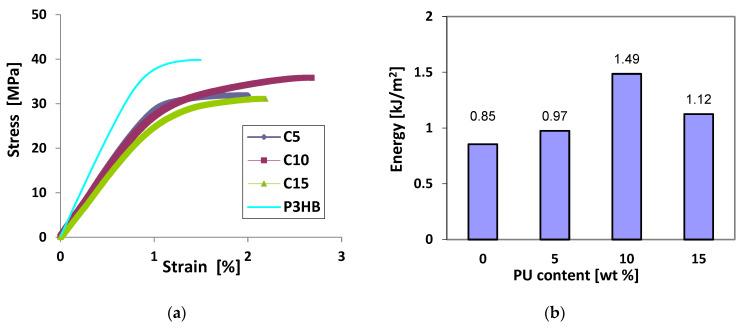
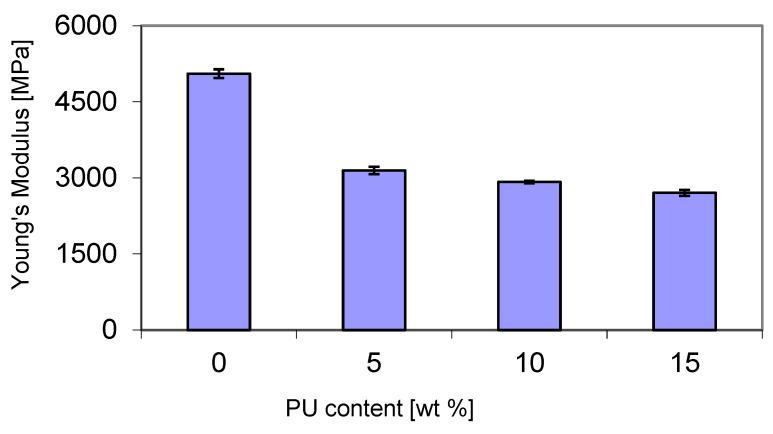
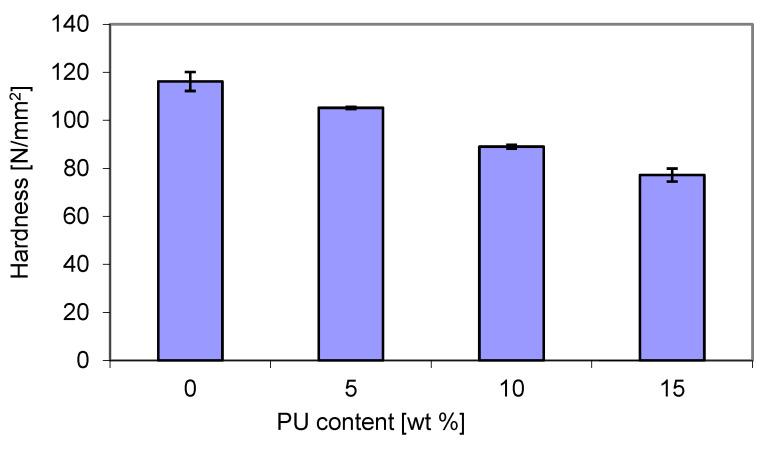
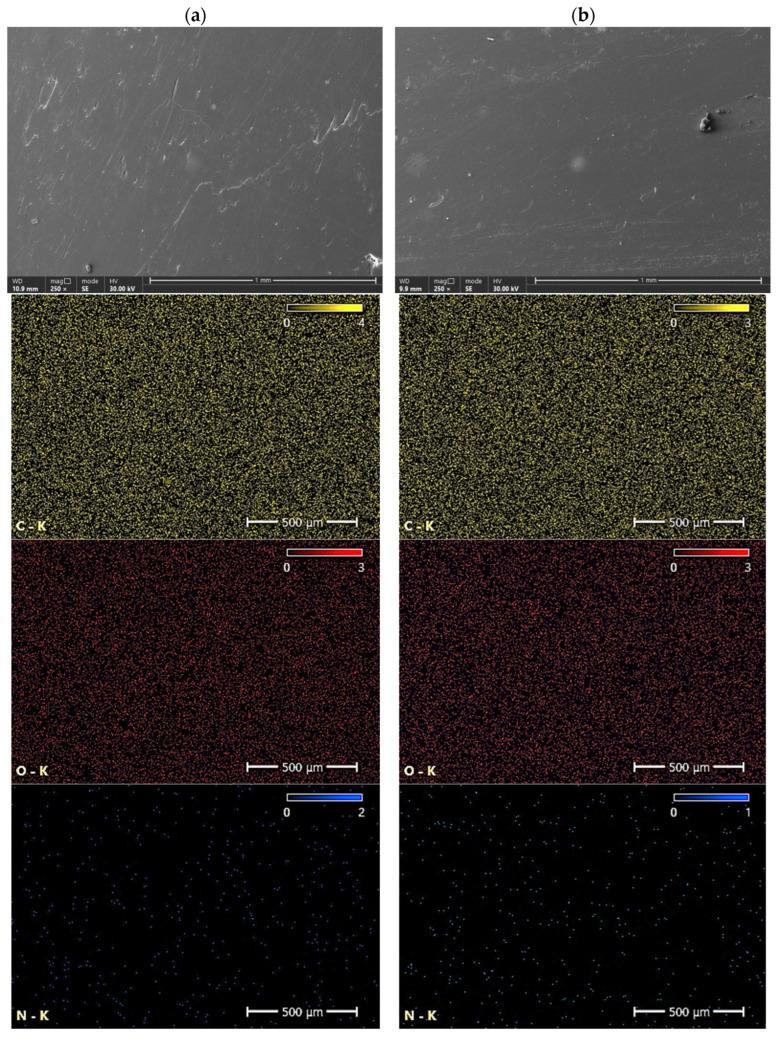
The present work deals with polymer blends produced from poly(3-hydroxybutyrate), P3HB and polyurethane. Linear polyurethane (PU) was here synthesized by reacting polypropylene glycol with 4,4'-diphenylmethane diisocyanate, and was used in amounts of 5, 10 and 15 wt. %. The polymers were melt-mixed using a twin-screw extruder after prior premixing. The obtained blends were tested by differential scanning calorimetry analysis (DSC), Fourier transformation infrared spectroscopy (FTIR), and scanning electron microscopy (SEM) with energy dispersive X-ray analysis (EDX). Their thermal and mechanical properties, including impact resistance, hardness, tensile and flexural properties, were also determined, and the surface topography and roughness were analyzed. FTIR analysis of the prepared blends confirmed the interactions of PU with the P3HB matrix via hydrogen bonding. Analysis of the surface topography of the samples showed that the higher the PU content, the greater the regularity and homogeneity of the surface structure. The roughness of the P3HB blend containing 5 wt. % PU was the greatest. SEM images of the fracture surfaces of the blend samples explain the mechanism of the improvement of their mechanical properties. The obtained polymer blends were characterized by significantly lower hardness, and better impact strength and relative elongation at break compared to native P3HB. The DSC results confirm a decrease in the glass transition, melting and crystallization temperatures with increasing amounts of PU in the blends. The lower melting temperature and the higher degradation temperature of the resulted blends than native P3HB make the processing conditions easier, and prevent the degradation of the material. The best mechanical and thermal properties were shown by blends containing 10 wt. % of PU.
本研究涉及由聚(3-羟基丁酸酯)(P3HB)和聚氨酯制成的聚合物共混物。线性聚氨酯(PU)在此通过使聚丙二醇与4,4'-二苯基甲烷二异氰酸酯反应合成,并以5、10和15 wt.%的用量使用。聚合物在预先预混合后使用双螺杆挤出机进行熔融混合。通过差示扫描量热分析(DSC)、傅里叶变换红外光谱(FTIR)以及带有能量色散X射线分析(EDX)的扫描电子显微镜(SEM)对所得共混物进行测试。还测定了它们的热性能和机械性能,包括抗冲击性、硬度、拉伸和弯曲性能,并分析了表面形貌和粗糙度。对制备的共混物进行的FTIR分析证实了PU与P3HB基体通过氢键相互作用。对样品表面形貌的分析表明,PU含量越高,表面结构的规则性和均匀性越大。含5 wt.%PU的P3HB共混物的粗糙度最大。共混物样品断裂表面的SEM图像解释了其机械性能改善的机制。与天然P3HB相比,所得聚合物共混物的特点是硬度显著降低,冲击强度和断裂相对伸长率更好。DSC结果证实,随着共混物中PU含量的增加,玻璃化转变温度、熔点和结晶温度降低。所得共混物比天然P3HB更低的熔点温度和更高的降解温度使加工条件更宽松,并防止材料降解。含10 wt.%PU的共混物表现出最佳的机械和热性能。





 Zotero 插件