
动脉粥样硬化斑块内的血管生成:力学调节、分子机制及临床诊断
Angiogenesis within atherosclerotic plaques: Mechanical regulation, molecular mechanism and clinical diagnosis.
作者信息
Chen Hanxiao, Peng Chengxiu, Fang Fei, Li Yuhao, Liu Xiaran, Hu Ying, Wang Guixue, Liu Xiaoheng, Shen Yang
机构信息
Institute of Biomedical Engineering, West China School of Basic Medical Sciences & Forensic Medicine, Sichuan University, Chengdu 610041, China.
Department of Obstetrics and Gynecology, Key Laboratory of Birth Defects and Related Diseases of Women and Children, Ministry of Education, West China Second University Hospital, Sichuan University, Chengdu, Sichuan, 610041, China.
出版信息
Mechanobiol Med. 2025 Feb 1;3(1):100114. doi: 10.1016/j.mbm.2025.100114. eCollection 2025 Mar.
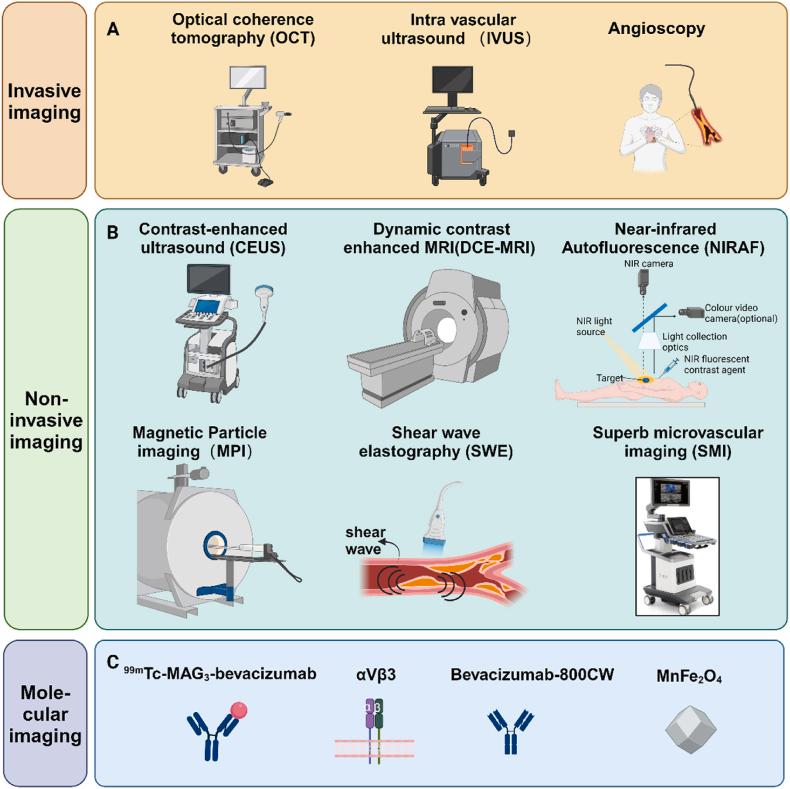
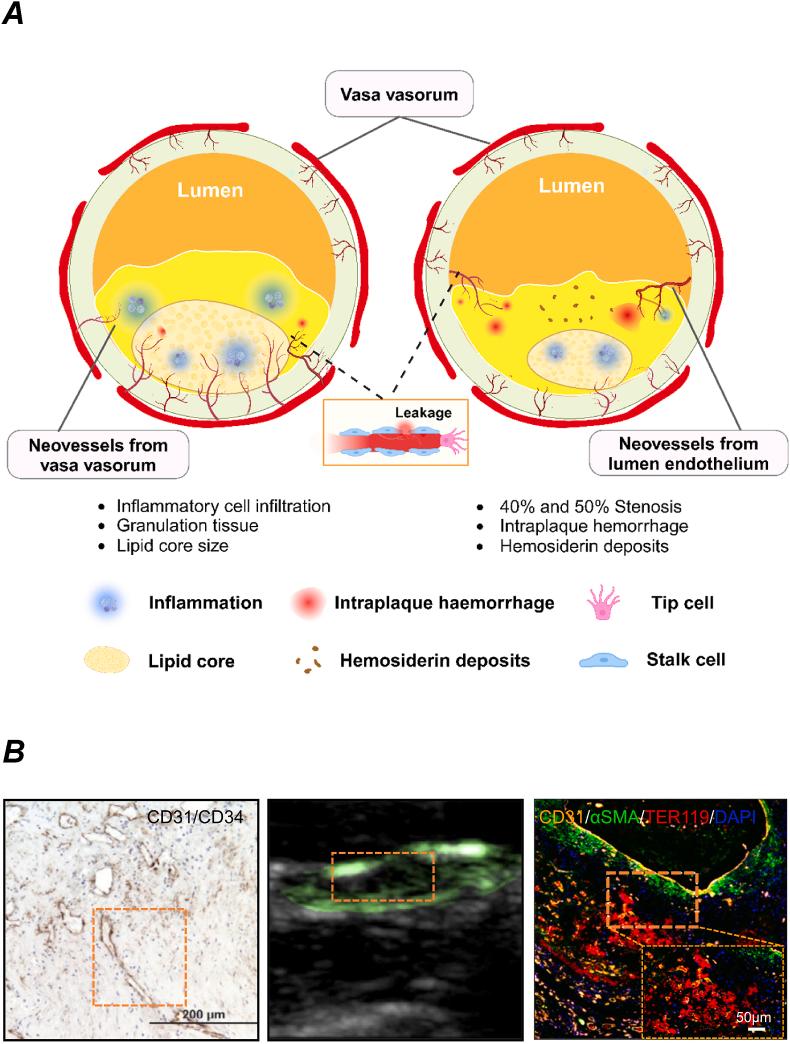
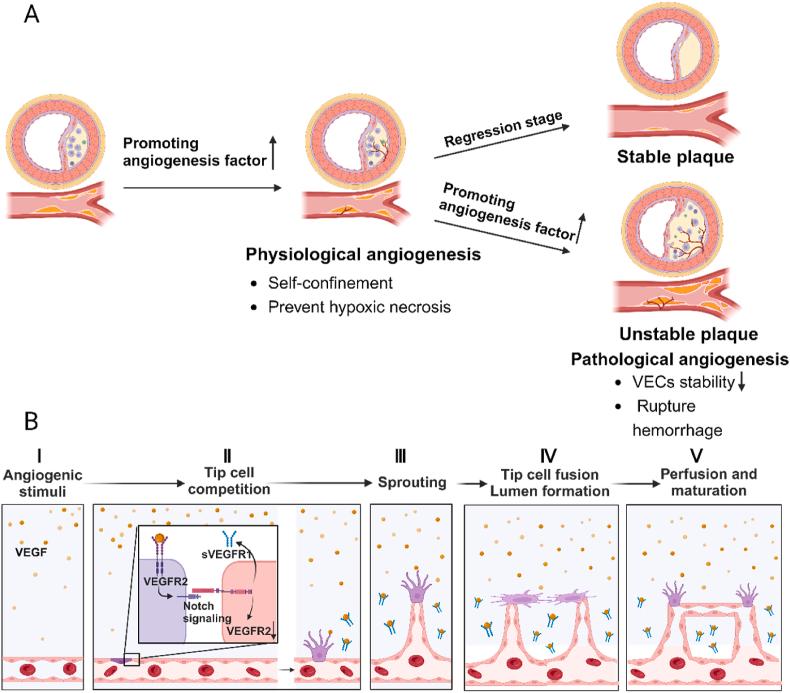
Atherosclerosis (AS) is a disease characterized by focal cholesterol accumulation and insoluble inflammation in arterial intima, leading to the formation of an atherosclerotic plaque consisting of lipids, cells, and fibrous matrix. The presence of plaque can restrict or obstruct blood flow, resulting in arterial stenosis and local mechanical microenvironment changes including flow shear stress, vascular matrix stiffness, and plaque structural stress. Neovascularization within the atherosclerotic plaque plays a crucial role in both plaque growth and destabilization, potentially leading to plaque rupture and fatal embolism. However, the exact interactions between neovessels and plaque remain unclear. In this review, we provide a comprehensive analysis of the origin of intraplaque neovessels, the contributing factors, underlying molecular mechanisms, and associated signaling pathways. We specifically emphasize the role of mechanical factors contributing to angiogenesis in atherosclerotic plaques. Additionally, we summarize the imaging techniques and therapeutic strategies for intraplaque neovessels to enhance our understanding of this field.
动脉粥样硬化(AS)是一种以动脉内膜局部胆固醇积聚和不可溶性炎症为特征的疾病,导致由脂质、细胞和纤维基质组成的动脉粥样硬化斑块形成。斑块的存在会限制或阻碍血流,导致动脉狭窄和局部机械微环境变化,包括血流剪切应力、血管基质硬度和斑块结构应力。动脉粥样硬化斑块内的新生血管形成在斑块生长和不稳定中起关键作用,可能导致斑块破裂和致命性栓塞。然而,新生血管与斑块之间的确切相互作用仍不清楚。在这篇综述中,我们对斑块内新生血管的起源、促成因素、潜在分子机制和相关信号通路进行了全面分析。我们特别强调机械因素在动脉粥样硬化斑块血管生成中的作用。此外,我们总结了斑块内新生血管的成像技术和治疗策略,以增进我们对该领域的理解。



 Zotero 插件