
大麻酚(CBN)通过改善突触和线粒体健康来缓解与年龄相关的认知衰退。
Cannabinol (CBN) alleviates age-related cognitive decline by improving synaptic and mitochondrial health.
作者信息
Dar Nawab John, Currais Antonio, Taguchi Taketo, Andrews Nick, Maher Pamela
机构信息
Department of Cellular Neurobiology, The Salk Institute for Biological Studies, La Jolla, CA, USA.
Behaviour Testing Core, The Salk Institute for Biological Studies, La Jolla, CA, USA.
出版信息
Redox Biol. 2025 Jul;84:103692. doi: 10.1016/j.redox.2025.103692. Epub 2025 May 20.
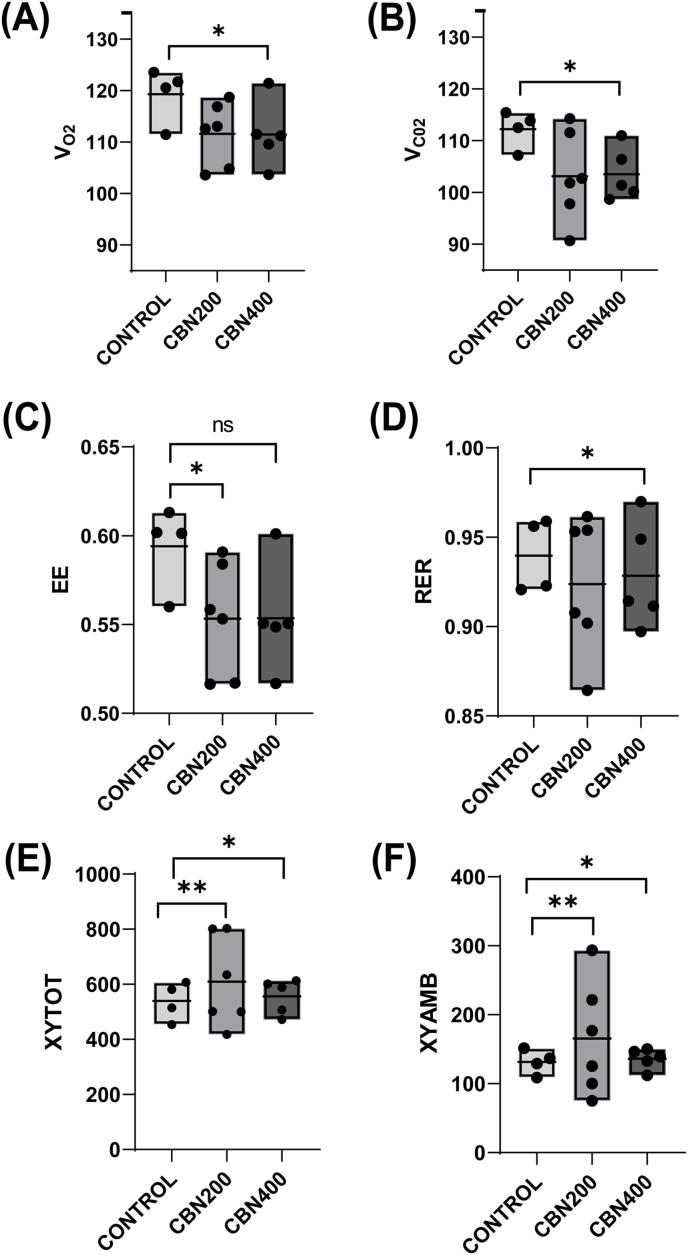
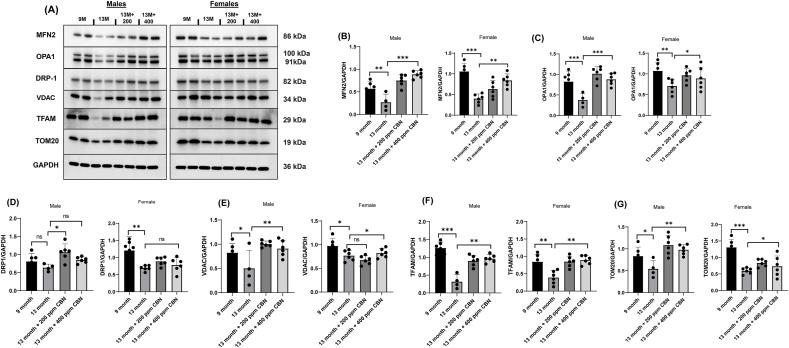
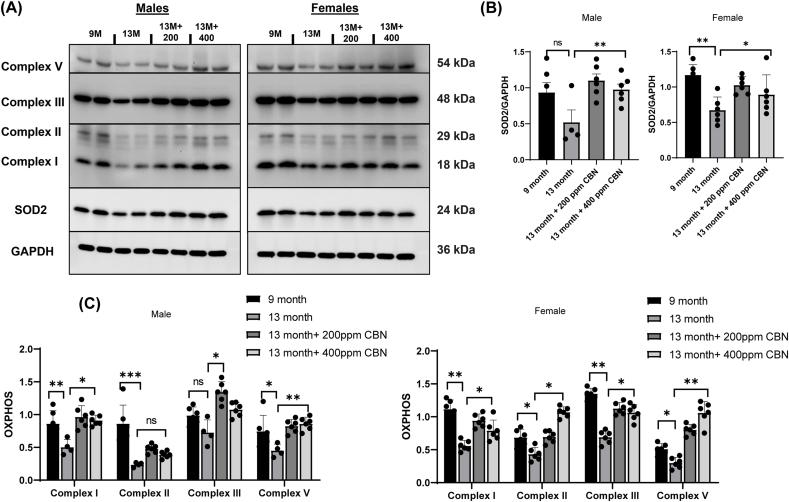
Age-related cognitive decline and neurodegenerative diseases, such as Alzheimer's disease, represent major global health challenges, particularly with an aging population. Mitochondrial dysfunction appears to play a central role in the pathophysiology of these conditions by driving redox dysregulation and impairing cellular energy metabolism. Despite extensive research, effective therapeutic options remain limited. Cannabinol (CBN), a cannabinoid previously identified as a potent inhibitor of oxytosis/ferroptosis through mitochondrial modulation, has demonstrated promising neuroprotective effects. In cell culture, CBN targets mitochondria, preserving mitochondrial membrane potential, enhancing antioxidant defenses and regulating bioenergetic processes. However, the in vivo therapeutic potential of CBN, particularly in aging models, has not been thoroughly explored. To address this gap, this study investigated the effects of CBN on age-associated cognitive decline and metabolic dysfunction using the SAMP8 mouse model of accelerated aging. Our results show that CBN significantly improves spatial learning and memory, with more pronounced cognitive benefits observed in female mice. These cognitive improvements are accompanied by sex-specific changes in metabolic parameters, such as enhanced oxygen consumption and energy expenditure. Mechanistically, CBN modulates key regulators of mitochondrial dynamics, including mitofusin 2 (MFN2) and dynamin-related protein 1 (DRP1), while upregulating markers of mitochondrial biogenesis including mitochondrial transcription factor A (TFAM) and translocase of outer mitochondrial membrane 20 (TOM20). Additionally, CBN upregulates key synaptic proteins involved in vesicle trafficking and postsynaptic signaling suggesting that it enhances synaptic function and neurotransmission, further reinforcing its neuroprotective effects. This study provides in vivo evidence supporting CBN's potential to mitigate age-related cognitive and metabolic dysfunction, with notable sex-specific effects, highlighting its promise for neurodegenerative diseases and cognitive decline.
与年龄相关的认知衰退和神经退行性疾病,如阿尔茨海默病,是全球主要的健康挑战,尤其是在人口老龄化的背景下。线粒体功能障碍似乎在这些疾病的病理生理学中起着核心作用,它会导致氧化还原失调并损害细胞能量代谢。尽管进行了广泛的研究,但有效的治疗选择仍然有限。大麻酚(CBN)是一种先前被确定为通过线粒体调节对氧化应激/铁死亡有强效抑制作用的大麻素,已显示出有前景的神经保护作用。在细胞培养中,CBN靶向线粒体,维持线粒体膜电位,增强抗氧化防御并调节生物能量过程。然而,CBN的体内治疗潜力,特别是在衰老模型中的潜力,尚未得到充分探索。为了填补这一空白,本研究使用加速衰老的SAMP8小鼠模型研究了CBN对与年龄相关的认知衰退和代谢功能障碍的影响。我们的结果表明,CBN显著改善空间学习和记忆,在雌性小鼠中观察到更明显的认知益处。这些认知改善伴随着代谢参数的性别特异性变化,如氧气消耗和能量消耗增加。从机制上讲,CBN调节线粒体动力学的关键调节因子,包括线粒体融合蛋白2(MFN2)和动力相关蛋白1(DRP1),同时上调线粒体生物发生的标志物,包括线粒体转录因子A(TFAM)和线粒体外膜转位酶20(TOM20)。此外,CBN上调参与囊泡运输和突触后信号传导的关键突触蛋白,表明它增强了突触功能和神经传递,进一步加强了其神经保护作用。本研究提供了体内证据,支持CBN减轻与年龄相关的认知和代谢功能障碍的潜力,具有显著的性别特异性影响,突出了其在神经退行性疾病和认知衰退方面的前景。





 Zotero 插件