
揭示代谢途径在脑转移性疾病中的作用
Unlocking the Role of Metabolic Pathways in Brain Metastatic Disease.
作者信息
Pinto Madalena, Violante Sara, Cascão Rita, Faria Claudia C
机构信息
GIMM-Gulbenkian Institute for Molecular Medicine, Avenida Prof. Egas Moniz, 1649-035 Lisboa, Portugal.
Department of Neurosurgery, Hospital de Santa Maria, Unidade Local de Saúde de Santa Maria (ULSSM), Avenida Prof. Egas Moniz, 1649-035 Lisboa, Portugal.
出版信息
Cells. 2025 May 13;14(10):707. doi: 10.3390/cells14100707.
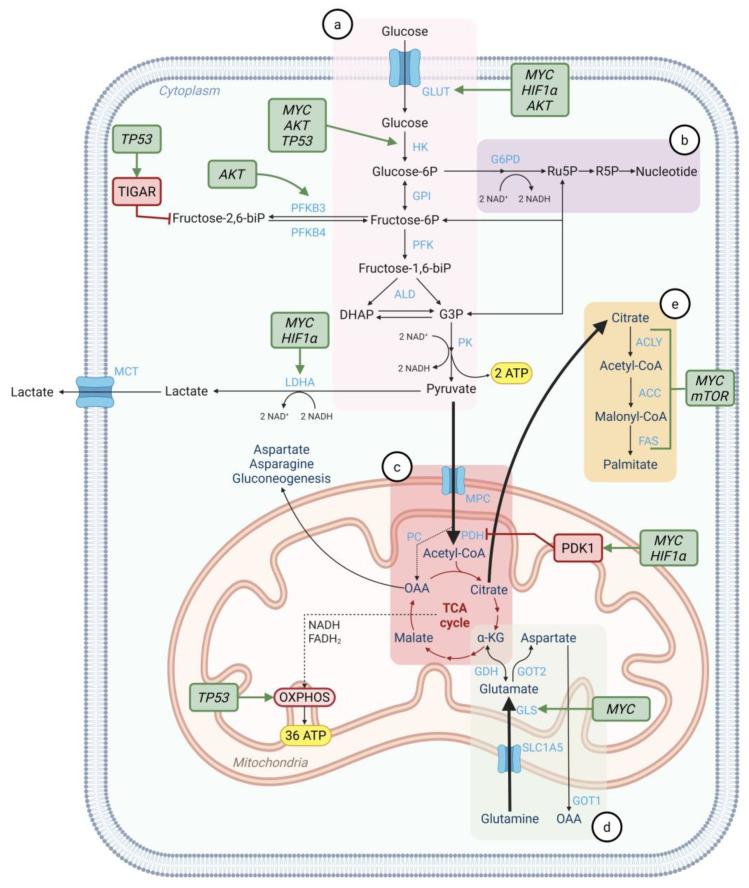
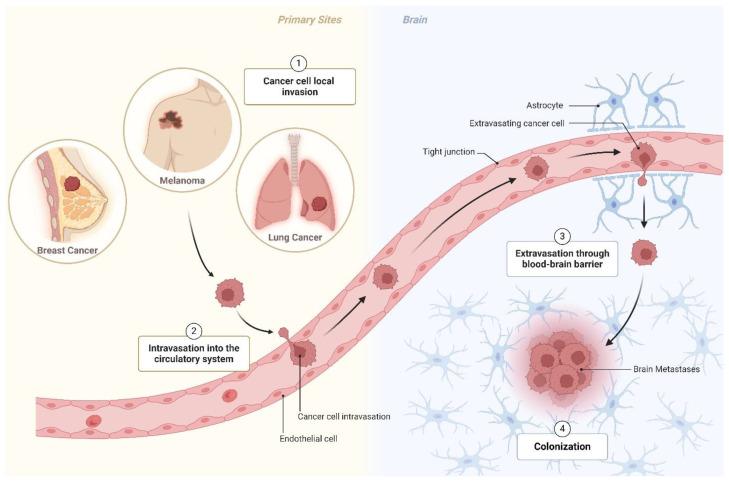
The dissemination of malignant cells to the brain is a late-stage complication of cancer, leading to significant morbidity and mortality. Brain metastases (BM) affect 20-30% of cancer patients, primarily originating from lung cancer, breast cancer, and melanoma. Despite advances in molecular-targeted therapies, brain metastatic disease remains incurable, with a poor median survival of ≤12 months if left untreated. The lack of therapeutic efficacy is mainly attributed to the presence of the blood-brain barrier (BBB) and genetic differences between BM and their primary tumors. Previously published data have identified potential driver mutations of BM. However, the mechanisms underlying brain cancer dissemination remain unknown. Recent studies emphasize the pivotal role of metabolic adaptations in supporting the metastatic process, particularly in the nutrient-poor microenvironment characteristic of the brain. Understanding the interplay between metabolism and genetic alterations associated with brain metastatic disease could unveil novel therapeutic targets that are more effective in treating patients. This review focuses on relevant metabolic pathways in cancer, particularly brain cancer dissemination, while also presenting information on current preclinical models of BM, relevant clinical trials, and preclinical studies targeting metabolic reprogramming, providing an overview for advancing therapeutic strategies in BM.
恶性细胞向脑内扩散是癌症的晚期并发症,会导致显著的发病率和死亡率。脑转移瘤(BM)影响20%-30%的癌症患者,主要起源于肺癌、乳腺癌和黑色素瘤。尽管分子靶向治疗取得了进展,但脑转移性疾病仍然无法治愈,如果不进行治疗,中位生存期较差,≤12个月。治疗效果不佳主要归因于血脑屏障(BBB)的存在以及BM与其原发肿瘤之间的基因差异。先前发表的数据已经确定了BM的潜在驱动突变。然而,脑癌扩散的潜在机制仍然未知。最近的研究强调了代谢适应在支持转移过程中的关键作用,特别是在脑内营养匮乏的微环境中。了解与脑转移性疾病相关的代谢与基因改变之间的相互作用,可能会揭示出对治疗患者更有效的新治疗靶点。本综述重点关注癌症相关的代谢途径,特别是脑癌扩散,同时还介绍了当前BM的临床前模型、相关临床试验以及针对代谢重编程的临床前研究信息,为推进BM的治疗策略提供概述。

 Zotero 插件