
评估食品中的重金属污染:对人类健康和环境安全的影响。
Assessing Heavy Metal Contamination in Food: Implications for Human Health and Environmental Safety.
作者信息
Mititelu Magdalena, Neacșu Sorinel Marius, Busnatu Ștefan Sebastian, Scafa-Udriște Alexandru, Andronic Octavian, Lăcraru Andreea-Elena, Ioniță-Mîndrican Corina-Bianca, Lupuliasa Dumitru, Negrei Carolina, Olteanu Gabriel
机构信息
Department of Clinical Laboratory and Food Safety, Faculty of Pharmacy, "Carol Davila" University of Medicine and Pharmacy, 020956 Bucharest, Romania.
Department of Pharmaceutical Technology and Biopharmacy, Faculty of Pharmacy, Carol Davila University of Medicine and Pharmacy, 020945 Bucharest, Romania.
出版信息
Toxics. 2025 Apr 23;13(5):333. doi: 10.3390/toxics13050333.
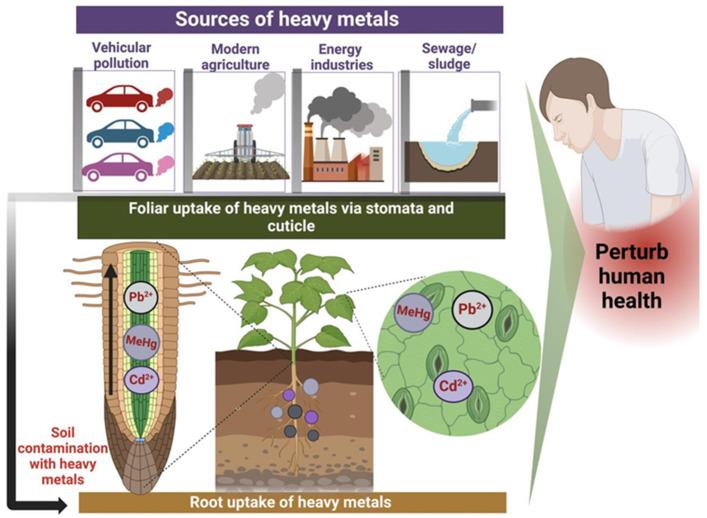
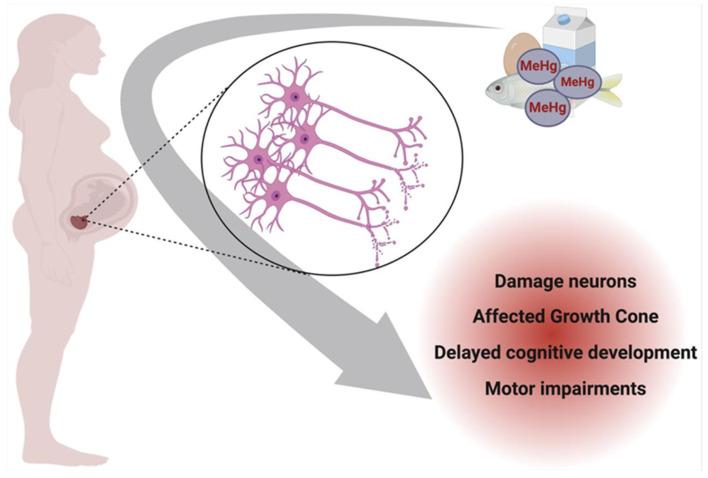
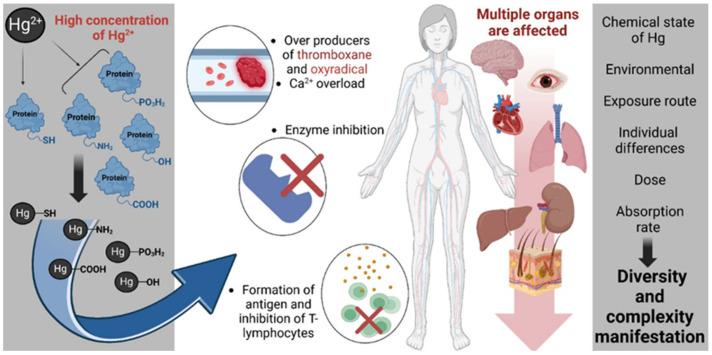
Ensuring food security is essential for achieving sustainable global development, requiring a balance between sufficient food production and maintaining its safety and nutritional value. However, this objective faces considerable challenges due to the infiltration of toxic metal species into the food supply. Heavy metals and metalloids, depending on their molecular form and daily dose, exhibit varying degrees of toxicity, making the precise identification of their species essential for assessing their impact on human health and the environment. This study focuses on identifying the primary anthropogenic sources and dissemination pathways of heavy metal pollutants, with an emphasis on their speciation and bioavailability. It examines how toxic metal species, such as Pb, Cd, Hg, and various arsenic species (AsIII and AsV), infiltrate ecosystems, bioaccumulate within the food chain, and ultimately compromise food safety and nutritional value. Furthermore, the research explores the physiological and biochemical disruptions caused by these toxic metal species, including the displacement of essential ions from enzymatic active sites and transport proteins due to competitive binding by pollutants, oxidative stress induced by reactive oxygen species generation, and cellular dysfunction affecting metabolic pathways and signaling cascades, all of which contribute to both chronic and acute health conditions. By providing a detailed analysis of exposure routes and toxicological processes, this paper highlights the far-reaching consequences of heavy metal contamination on public health and agricultural sustainability. Special attention is given to the need for precise terminology, as the toxicity of metals is inherently linked to their daily dose and chemical species rather than their elemental form. Finally, this study advocates for integrated, multidisciplinary strategies aimed at mitigating these risks, enhancing ecosystem stability, and ensuring long-term food security in the face of environmental challenges.
确保粮食安全对于实现全球可持续发展至关重要,这需要在充足的粮食生产与维持其安全性和营养价值之间取得平衡。然而,由于有毒金属物种渗入食品供应体系,这一目标面临着巨大挑战。重金属和类金属根据其分子形式和每日摄入量,表现出不同程度的毒性,因此精确识别它们的物种对于评估其对人类健康和环境的影响至关重要。本研究着重于确定重金属污染物的主要人为来源和传播途径,重点关注其形态和生物可利用性。它研究了有毒金属物种,如铅、镉、汞以及各种砷物种(亚砷酸根离子和砷酸根离子)如何渗入生态系统,在食物链中生物累积,并最终损害食品安全和营养价值。此外,该研究还探索了这些有毒金属物种所导致的生理和生化紊乱,包括由于污染物的竞争性结合而使必需离子从酶活性位点和转运蛋白上被取代、活性氧生成所诱导的氧化应激以及影响代谢途径和信号级联反应的细胞功能障碍,所有这些都导致了慢性和急性健康状况。通过对接触途径和毒理学过程进行详细分析,本文强调了重金属污染对公众健康和农业可持续性的深远影响。特别关注了精确术语的必要性,因为金属的毒性与其每日摄入量和化学物种本质上相关,而非其元素形式。最后,本研究倡导采取综合、多学科的策略,以应对这些风险,增强生态系统稳定性,并在面对环境挑战时确保长期粮食安全。


 Zotero 插件