
重金属:毒性与对人类健康的影响
Heavy metals: toxicity and human health effects.
作者信息
Jomova Klaudia, Alomar Suliman Y, Nepovimova Eugenie, Kuca Kamil, Valko Marian
机构信息
Department of Chemistry, Faculty of Natural Sciences, Constantine The Philosopher University in Nitra, 949 74, Nitra, Slovakia.
Doping Research Chair, Zoology Department, College of Science, King Saud University, 11451, Riyadh, Saudi Arabia.
出版信息
Arch Toxicol. 2025 Jan;99(1):153-209. doi: 10.1007/s00204-024-03903-2. Epub 2024 Nov 20.
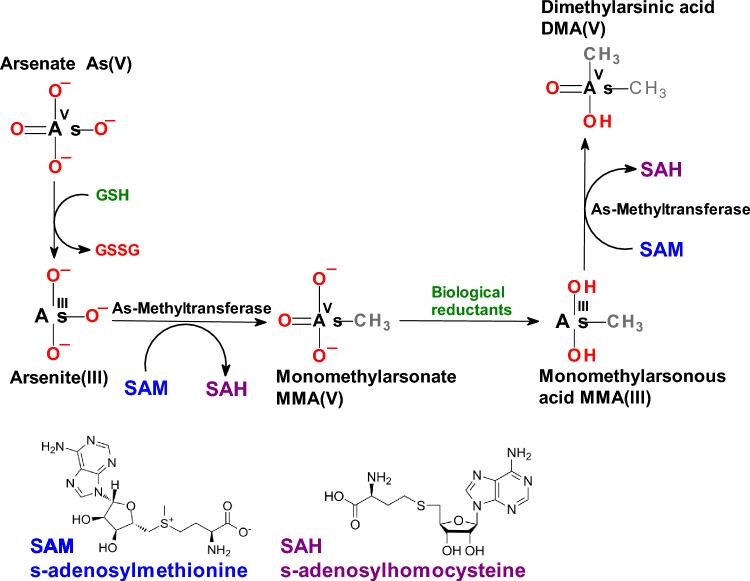
Heavy metals are naturally occurring components of the Earth's crust and persistent environmental pollutants. Human exposure to heavy metals occurs via various pathways, including inhalation of air/dust particles, ingesting contaminated water or soil, or through the food chain. Their bioaccumulation may lead to diverse toxic effects affecting different body tissues and organ systems. The toxicity of heavy metals depends on the properties of the given metal, dose, route, duration of exposure (acute or chronic), and extent of bioaccumulation. The detrimental impacts of heavy metals on human health are largely linked to their capacity to interfere with antioxidant defense mechanisms, primarily through their interaction with intracellular glutathione (GSH) or sulfhydryl groups (R-SH) of antioxidant enzymes such as superoxide dismutase (SOD), catalase, glutathione peroxidase (GPx), glutathione reductase (GR), and other enzyme systems. Although arsenic (As) is believed to bind directly to critical thiols, alternative hydrogen peroxide production processes have also been postulated. Heavy metals are known to interfere with signaling pathways and affect a variety of cellular processes, including cell growth, proliferation, survival, metabolism, and apoptosis. For example, cadmium can affect the BLC-2 family of proteins involved in mitochondrial death via the overexpression of antiapoptotic Bcl-2 and the suppression of proapoptotic (BAX, BAK) mechanisms, thus increasing the resistance of various cells to undergo malignant transformation. Nuclear factor erythroid 2-related factor 2 (Nrf2) is an important regulator of antioxidant enzymes, the level of oxidative stress, and cellular resistance to oxidants and has been shown to act as a double-edged sword in response to arsenic-induced oxidative stress. Another mechanism of significant health threats and heavy metal (e.g., Pb) toxicity involves the substitution of essential metals (e.g., calcium (Ca), copper (Cu), and iron (Fe)) with structurally similar heavy metals (e.g., cadmium (Cd) and lead (Pb)) in the metal-binding sites of proteins. Displaced essential redox metals (copper, iron, manganese) from their natural metal-binding sites can catalyze the decomposition of hydrogen peroxide via the Fenton reaction and generate damaging ROS such as hydroxyl radicals, causing damage to lipids, proteins, and DNA. Conversely, some heavy metals, such as cadmium, can suppress the synthesis of nitric oxide radical (NO), manifested by altered vasorelaxation and, consequently, blood pressure regulation. Pb-induced oxidative stress has been shown to be indirectly responsible for the depletion of nitric oxide due to its interaction with superoxide radical (O), resulting in the formation of a potent biological oxidant, peroxynitrite (ONOO). This review comprehensively discusses the mechanisms of heavy metal toxicity and their health effects. Aluminum (Al), cadmium (Cd), arsenic (As), mercury (Hg), lead (Pb), and chromium (Cr) and their roles in the development of gastrointestinal, pulmonary, kidney, reproductive, neurodegenerative (Alzheimer's and Parkinson's diseases), cardiovascular, and cancer (e.g. renal, lung, skin, stomach) diseases are discussed. A short account is devoted to the detoxification of heavy metals by chelation via the use of ethylenediaminetetraacetic acid (EDTA), dimercaprol (BAL), 2,3-dimercaptosuccinic acid (DMSA), 2,3-dimercapto-1-propane sulfonic acid (DMPS), and penicillamine chelators.
重金属是地壳的天然组成成分,也是持久性环境污染物。人类接触重金属的途径多种多样,包括吸入空气/灰尘颗粒、摄入受污染的水或土壤,或通过食物链接触。它们的生物累积可能导致多种毒性作用,影响不同的身体组织和器官系统。重金属的毒性取决于特定金属的性质、剂量、接触途径、接触持续时间(急性或慢性)以及生物累积程度。重金属对人类健康的有害影响很大程度上与其干扰抗氧化防御机制的能力有关,主要是通过它们与细胞内谷胱甘肽(GSH)或抗氧化酶如超氧化物歧化酶(SOD)、过氧化氢酶、谷胱甘肽过氧化物酶(GPx)、谷胱甘肽还原酶(GR)等的巯基(R-SH)以及其他酶系统相互作用。虽然砷(As)被认为直接与关键的硫醇结合,但也有人提出了其他产生过氧化氢的过程。已知重金属会干扰信号通路并影响多种细胞过程,包括细胞生长、增殖、存活、代谢和凋亡。例如,镉可通过抗凋亡蛋白Bcl-2的过度表达和促凋亡机制(BAX、BAK)的抑制,影响参与线粒体死亡的BLC-2家族蛋白,从而增加各种细胞发生恶性转化的抗性。核因子红细胞2相关因子2(Nrf2)是抗氧化酶、氧化应激水平和细胞对氧化剂抗性的重要调节因子,已被证明在应对砷诱导的氧化应激时起到双刃剑的作用。另一个对健康构成重大威胁以及重金属(如铅)毒性的机制涉及在蛋白质的金属结合位点用结构相似的重金属(如镉(Cd)和铅(Pb))替代必需金属(如钙(Ca)、铜(Cu)和铁(Fe))。从其天然金属结合位点被置换的必需氧化还原金属(铜、铁、锰)可通过芬顿反应催化过氧化氢的分解并产生活性氧如羟基自由基,对脂质、蛋白质和DNA造成损伤。相反,一些重金属,如镉,可抑制一氧化氮自由基(NO)的合成,表现为血管舒张改变,进而影响血压调节。铅诱导的氧化应激已被证明因其与超氧自由基(O)相互作用间接导致一氧化氮耗竭,从而形成一种强效生物氧化剂过氧亚硝酸盐(ONOO)。本综述全面讨论了重金属毒性机制及其对健康的影响。讨论了铝(Al)、镉(Cd)、砷(As)、汞(Hg)、铅(Pb)和铬(Cr)及其在胃肠道、肺部、肾脏、生殖、神经退行性(阿尔茨海默病和帕金森病)、心血管和癌症(如肾癌、肺癌、皮肤癌、胃癌)疾病发生中的作用。简要介绍了通过使用乙二胺四乙酸(EDTA)、二巯丙醇(BAL)、2,3-二巯基丁二酸(DMSA)、2,3-二巯基-1-丙烷磺酸(DMPS)和青霉胺螯合剂进行螯合对重金属的解毒作用。




 Zotero 插件