
基于免疫信息学的针对HIV-1 gp120的多表位mRNA疫苗的设计与评估
Immunoinformatic-driven design and evaluation of multi-epitope mRNA vaccine targeting HIV-1 gp120.
作者信息
Ahmed Muhammad Zeeshan, Rao Tazeen, Mutahir Zeeshan, Ahmed Sarfraz, Ullah Najeeb, Ojha Suvash Chandra
机构信息
Department of Biochemistry, Bahauddin Zakariya University, Multan, Pakistan.
School of Biochemistry and Biotechnology, University of the Punjab, Lahore, Pakistan.
出版信息
Front Immunol. 2025 May 13;16:1480025. doi: 10.3389/fimmu.2025.1480025. eCollection 2025.
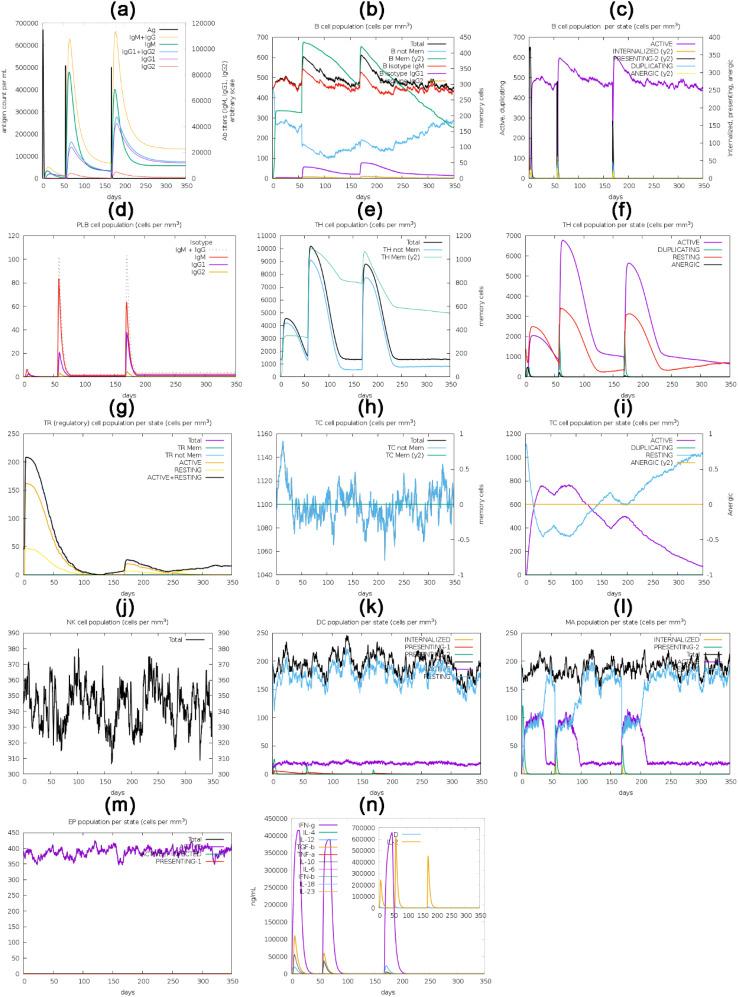
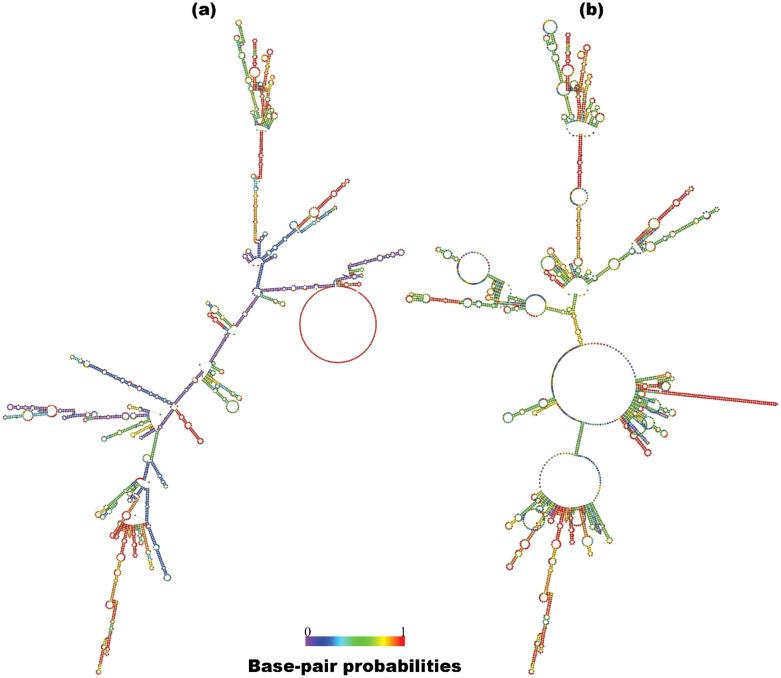
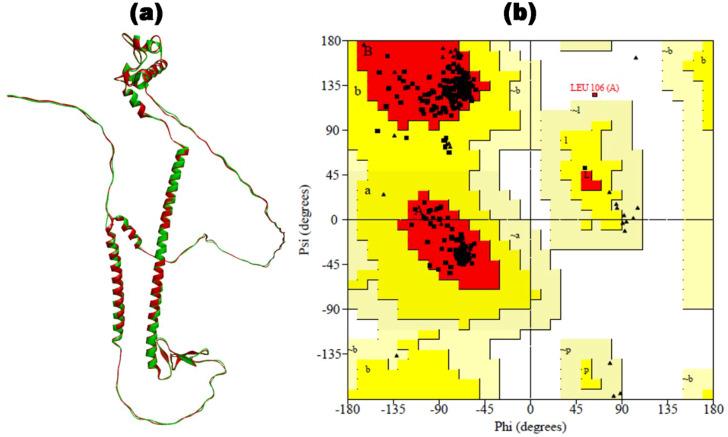
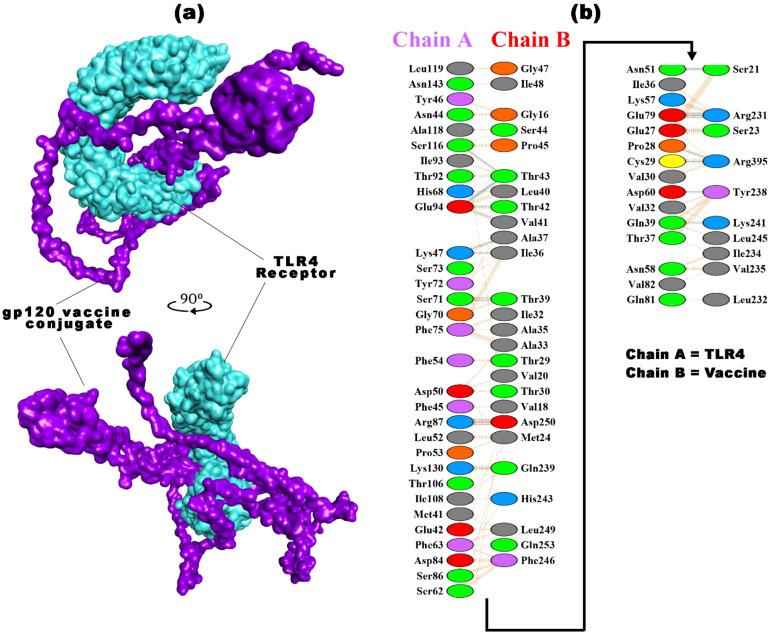
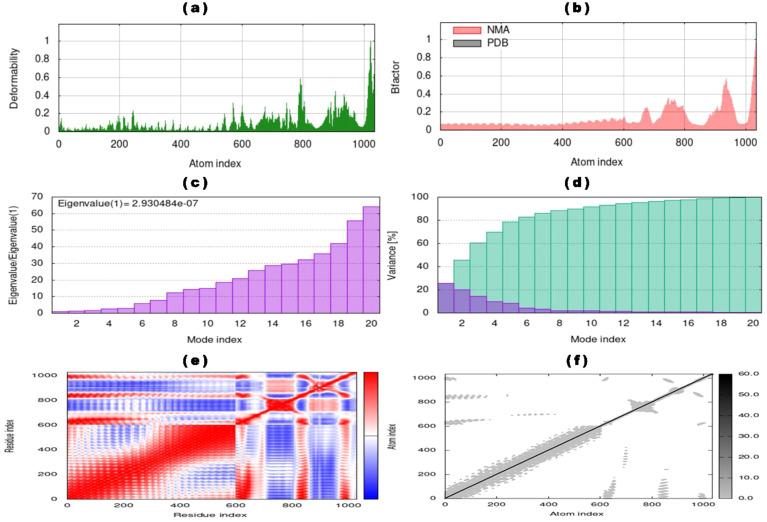
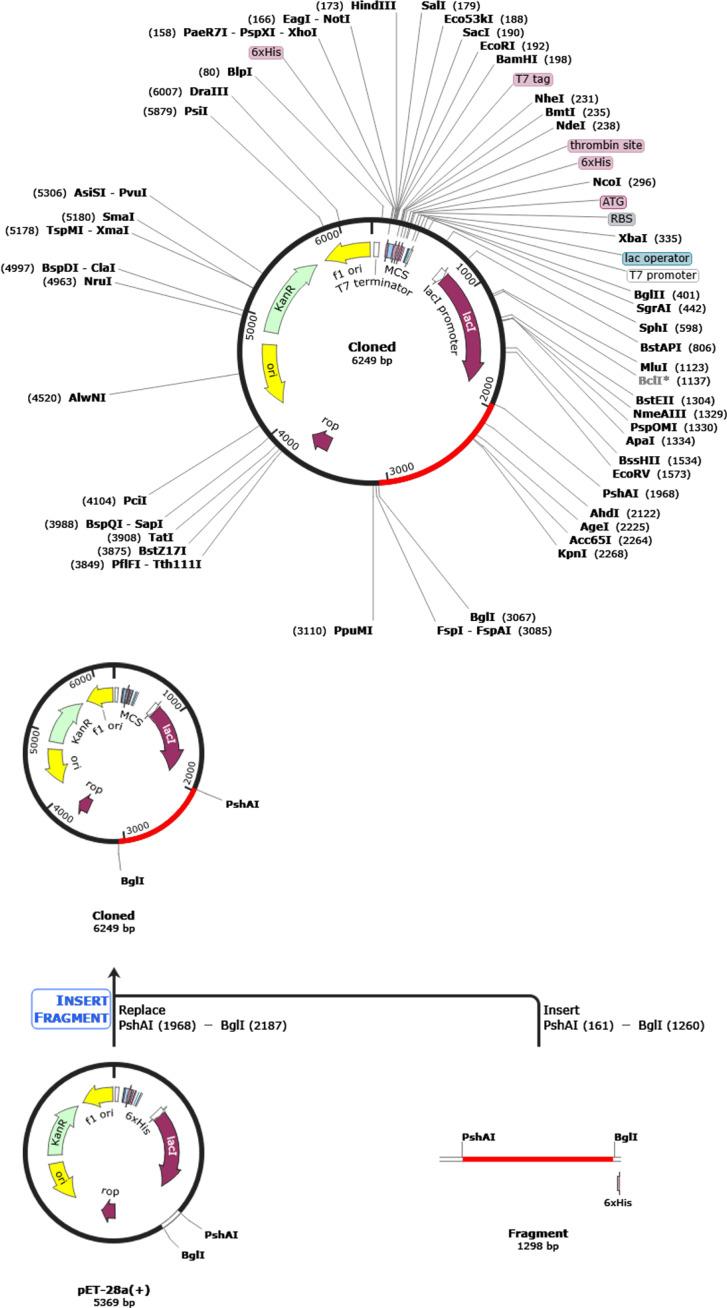
HIV (human immunodeficiency virus) presents a global health crisis, causing significant AIDS-related deaths and over one million new infections annually. The curbing of HIV is an intricate and continuously evolving domain, marked by numerous challenges, including drug resistance and the absence of a significant cure or vaccine because of its mutating ability and diverse antigens in its envelope, prompting research for functional cures and long-term remission strategies. The endeavor to devise an HIV vaccine capable of eliciting robust and broadly cross-reactive humoral and cellular immune responses is a formidable undertaking, primarily due to the pronounced genetic heterogeneity of HIV-1, the variances observed in virus subtypes (clades) across distinct geographic regions, and the polymorphic nature of human leukocyte antigens (HLA). The viral envelope protein (gp120) selectively interacts with CD4 and chemokine receptors on the surface of target cells. It serves as the key initiator in the intricate viral entry into host cells, rendering it a compelling candidate for vaccine development. This study used bioinformatic tools to design a safe, hypoallergenic, and non-toxic mRNA HIV-1 vaccine by assembling immunogenic B- and T-cell epitopes from the gp120 protein. We identified antigenic, non-toxic, and non-allergic B-cell epitopes (IEPLGIAPTRAKRRVVER) and T-cell epitopes (QQKVHALFY, ITIGPGQVF, WQGVGQAMY, APTRAKRRV, KQQKVHALFYRLDIV, QQKVHALFYRLDIVQ, QKVHALFYRLDIVQI, SLAEEEIIIRSENLT, and IRSENLTNNVKTIIV). For designing the mRNA vaccine against HIV-1 gp120, we assembled the epitopes with 5' m7G cap, 5' UTR (untranslated region), Kozak sequence, signal peptide (tPA), RpfE (resuscitation-promoting factor E) adjuvant at N-terminal and MITD (MHC class I trafficking domain) adjuvant, stop codon, 3' UTR, and 120-nucleotide long poly(A) tail at the C-terminal with immunogenic robustness linkers. The mRNA vaccine is translated into a protein-based vaccine by the host body's ribosomes. Their comprehensive computational findings, including physicochemical, structural, and 3D refinement analyses, substantiated the stability and quality of the translated vaccine. Molecular docking and simulation revealed a strong and stable binding affinity of vaccine immunization with immune cells' pattern recognition receptors (TLR4). Immune simulations demonstrated a potent primary immune response characterized by a gradual increase in immunoglobulins and a corresponding decline in antigen concentration. This bioinformatics-driven study presents a promising HIV-1 mRNA vaccine candidate, underscoring the need for further experimental validation through preclinical and clinical trials. At the same time, its methodologies hold the potential for addressing other challenging infectious diseases, thereby impacting vaccinology broadly.
人类免疫缺陷病毒(HIV)引发了一场全球健康危机,每年导致大量与艾滋病相关的死亡以及超过100万例新感染病例。控制HIV是一个复杂且不断发展的领域,面临诸多挑战,包括耐药性以及由于其变异能力和包膜中多样的抗原而缺乏有效的治愈方法或疫苗,这促使人们开展功能性治愈和长期缓解策略的研究。设计一种能够引发强大且广泛交叉反应的体液和细胞免疫反应的HIV疫苗是一项艰巨的任务,主要原因在于HIV-1显著的基因异质性、不同地理区域病毒亚型(分支)的差异以及人类白细胞抗原(HLA)的多态性。病毒包膜蛋白(gp120)选择性地与靶细胞表面的CD4和趋化因子受体相互作用。它是病毒复杂进入宿主细胞过程中的关键启动因子,使其成为疫苗开发的有力候选对象。本研究利用生物信息学工具,通过组装来自gp120蛋白的免疫原性B细胞和T细胞表位,设计了一种安全、低致敏性且无毒的mRNA HIV-1疫苗。我们鉴定出了抗原性、无毒且无过敏反应的B细胞表位(IEPLGIAPTRAKRRVVER)和T细胞表位(QQKVHALFY、ITIGPGQVF、WQGVGQAMY、APTRAKRRV、KQQKVHALFYRLDIV、QQKVHALFYRLDIVQ、QKVHALFYRLDIVQI、SLAEEEIIIRSENLT以及IRSENLTNNVKTIIV)。为了设计针对HIV-1 gp120的mRNA疫苗,我们在N端组装了带有5' m7G帽、5'非翻译区(UTR)、科扎克序列、信号肽(组织型纤溶酶原激活剂)、复苏促进因子E(RpfE)佐剂的表位,并在C端组装了MHC I类转运结构域(MITD)佐剂、终止密码子、3' UTR以及120个核苷酸长的聚腺苷酸尾,中间连接具有免疫原性的稳健接头。mRNA疫苗由宿主体内的核糖体翻译为基于蛋白质的疫苗。其全面的计算结果,包括物理化学、结构和三维优化分析,证实了翻译后疫苗的稳定性和质量。分子对接和模拟显示疫苗免疫与免疫细胞模式识别受体(TLR4)具有强大且稳定的结合亲和力模拟显示了以免疫球蛋白逐渐增加和抗原浓度相应下降为特征的强效初级免疫反应。这项由生物信息学驱动的研究提出了一个有前景的HIV-1 mRNA疫苗候选物,强调需要通过临床前和临床试验进行进一步的实验验证。同时,其方法有潜力应对其他具有挑战性的传染病,从而对疫苗学产生广泛影响。




 Zotero 插件