
一种用于解读对羟基苯甲酸酯在乳腺癌发病机制中诱导的分子失调的网络毒理学方法。
A network toxicology approach to decipher paraben-induced molecular dysregulation in breast cancer pathogenesis.
作者信息
Zhang Wen, Xiang Rui, Gu Wang, Zhang Qiang, Liu Lei, Wang Chenglin, Chen Muhu, Hu Yingchun, Chen Guihong
机构信息
Department of Endocrinology and Metabolism, The Traditional Chinese Medicine Hospital of Luzhou City, Luzhou, Sichuan, China.
Department of Emergency Medicine, Wangcang County People's Hospital, Guangyuan, Sichuan, China.
出版信息
Discov Oncol. 2025 Jun 13;16(1):1084. doi: 10.1007/s12672-025-02884-7.
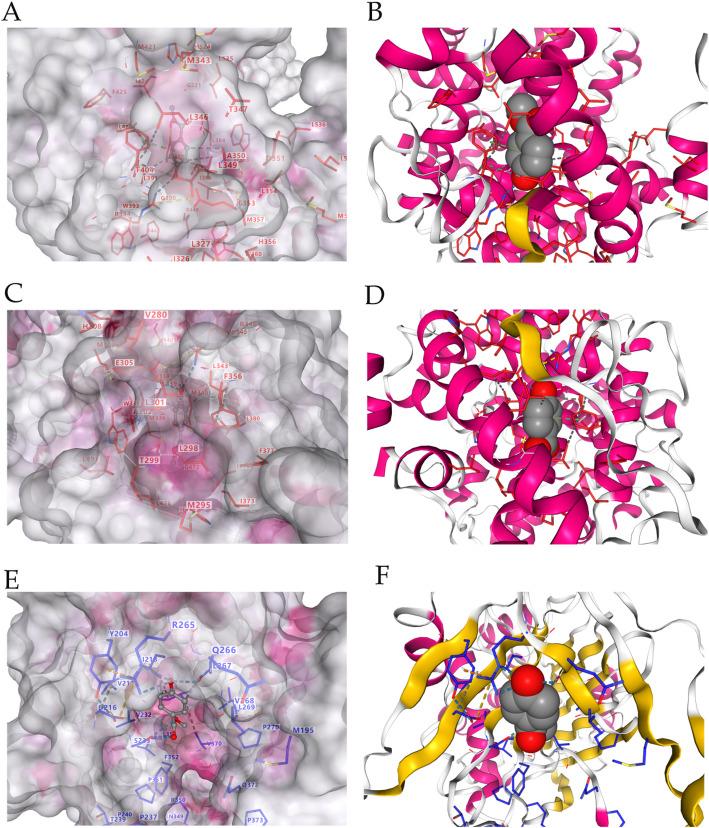
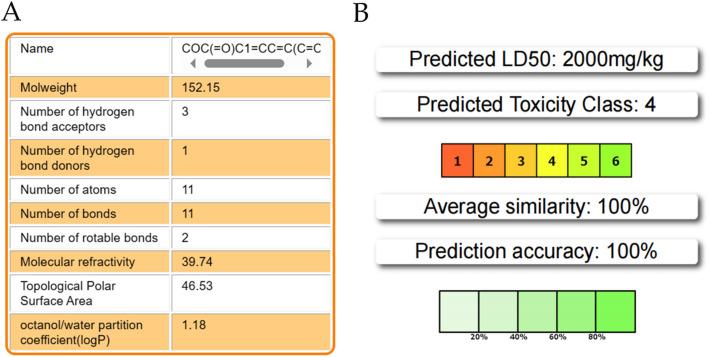
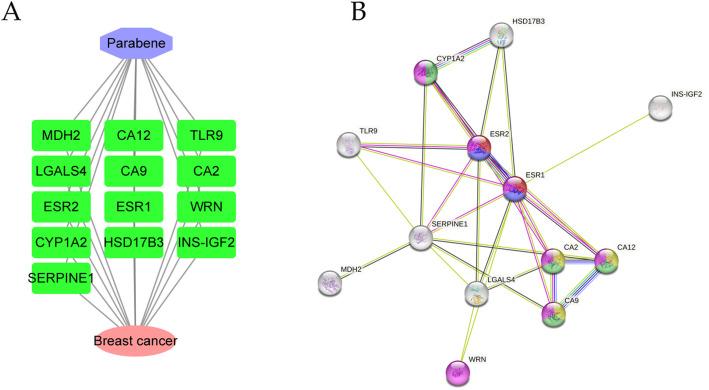
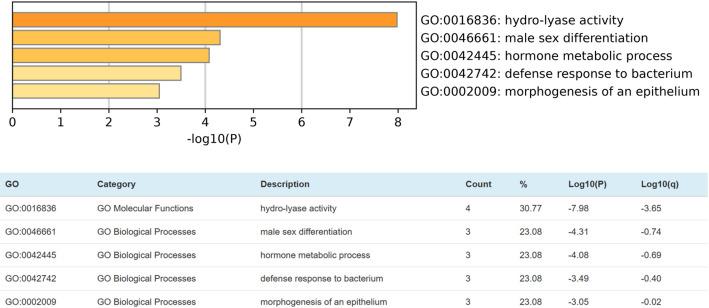
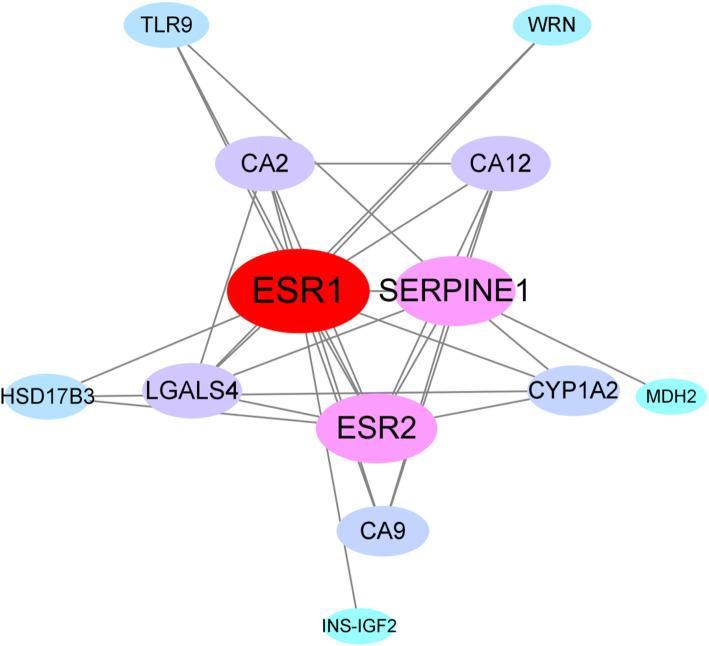
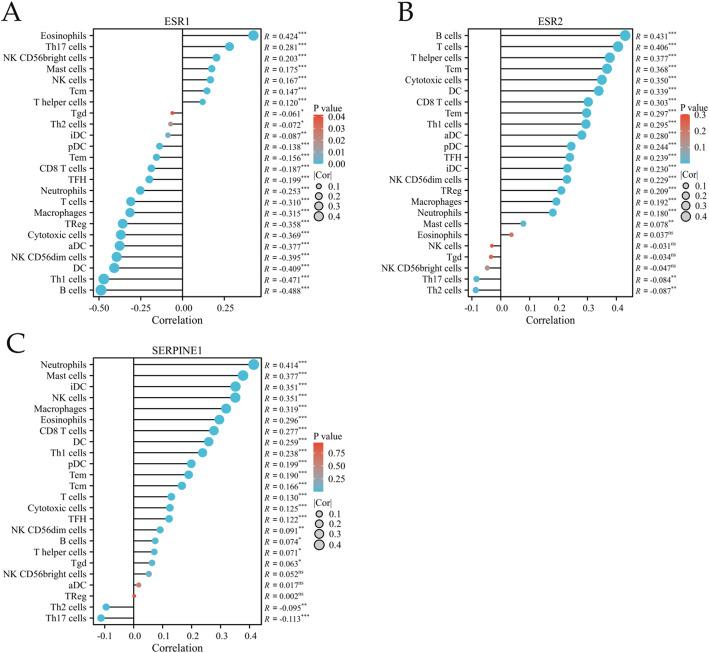
Paraben, extensively utilized as preservatives in cosmetics, pharmaceuticals, industrial products, and food due to its antimicrobial properties, represent pervasive environmental contaminants capable of bioaccumulation through dietary, dermal, and respiratory exposure, potentially leading to diseases including endocrine disruption, skin allergies, and breast cancer. As the endocrine-disrupting chemical (EDC) with estrogenic activity, paraben bind estrogen receptors (ERs), potentially disrupting hormonal homeostasis and increasing breast cancer risk. However, the molecular mechanisms linking paraben to breast carcinogenesis remain poorly defined. This study integrates network toxicology and molecular docking to systematically elucidate paraben-induced dysregulation in breast cancer pathogenesis. Paraben structures (2D/3D, SMILES) were retrieved from PubChem. Toxicological profiling employed ProTox and ADMETlab. Paraben-protein interactions were predicted via STITCH and SwissTargetPrediction, while breast cancer-associated targets were curated from GeneCards, OMIM, and TTD databases. The action targets of paraben were intersected with the breast cancer-related targets. Subsequently, the intersection targets were used to construct the compound regulatory network and perform PPI, GO, and KEGG analyses. The core targets of breast cancer caused by paraben were screened through Cytoscape. Finally, the relationship between the core targets and immune cell infiltration in breast cancer was explored, and molecular docking of paraben and the core targets was carried out. A total of 35 action targets of paraben were obtained from STITCH and SwissTargetPrediction. Meanwhile, 3,413 breast cancer-related targets were retrieved from GeneCards, OMIM, and TTD. After taking the intersection of these two sets of targets, 13 relevant targets were identified. PPI analysis revealed that proteins such as ESR1, ESR2, SERPINE1, and CA2 were located at the center of the network diagram and had close connections with other target proteins. Enrichment analysis demonstrated the molecular functions, biological processes involved, and related pathways of the intersection targets. Three core targets, namely ESR1, ESR2, and SERPINE1, were screened out using Cytoscape. Immune infiltration analysis indicated that in breast cancer, the expression of ESR1 was negatively correlated with the infiltration levels of CD8 + T cells and macrophages, while the expressions of ESR2 and SERPINE1 were positively correlated with the infiltration levels of CD8 + T cells and macrophages. Molecular docking showed that paraben had strong binding activities with ESR1, ESR2, and SERPINE1. Paraben exhibits estrogenic activity and may contribute to breast cancer development by targeting core molecules ESR1, ESR2, and SERPINE1, thereby regulating associated pathways that induce systemic immunosuppression or impede the recruitment of inflammatory responses.
对羟基苯甲酸酯因其抗菌特性而被广泛用作化妆品、药品、工业产品和食品中的防腐剂,是普遍存在的环境污染物,可通过饮食、皮肤和呼吸道接触进行生物累积,可能导致包括内分泌紊乱、皮肤过敏和乳腺癌在内的疾病。作为具有雌激素活性的内分泌干扰化学物质(EDC),对羟基苯甲酸酯与雌激素受体(ERs)结合,可能破坏激素稳态并增加乳腺癌风险。然而,将对羟基苯甲酸酯与乳腺癌发生联系起来的分子机制仍不清楚。本研究整合网络毒理学和分子对接,系统阐明对羟基苯甲酸酯诱导的乳腺癌发病机制失调。对羟基苯甲酸酯结构(2D/3D、SMILES)从PubChem中检索。毒理学分析采用ProTox和ADMETlab。通过STITCH和SwissTargetPrediction预测对羟基苯甲酸酯与蛋白质的相互作用,而乳腺癌相关靶点则从GeneCards、OMIM和TTD数据库中整理。对羟基苯甲酸酯的作用靶点与乳腺癌相关靶点进行交集分析。随后,将交集靶点用于构建化合物调控网络并进行蛋白质-蛋白质相互作用(PPI)、基因本体论(GO)和京都基因与基因组百科全书(KEGG)分析。通过Cytoscape筛选出对羟基苯甲酸酯导致乳腺癌的核心靶点。最后,探讨核心靶点与乳腺癌中免疫细胞浸润的关系,并对对羟基苯甲酸酯与核心靶点进行分子对接。通过STITCH和SwissTargetPrediction共获得35个对羟基苯甲酸酯的作用靶点。同时,从GeneCards、OMIM和TTD中检索到3413个乳腺癌相关靶点。对这两组靶点进行交集分析后,确定了13个相关靶点。PPI分析表明,雌激素受体1(ESR1)、雌激素受体2(ESR2)、丝氨酸蛋白酶抑制剂E1(SERPINE1)和碳酸酐酶2(CA2)等蛋白质位于网络图中心,与其他靶蛋白有密切联系。富集分析展示了交集靶点的分子功能、涉及的生物学过程和相关途径。使用Cytoscape筛选出三个核心靶点,即ESR1、ESR2和SERPINE1。免疫浸润分析表明,在乳腺癌中,ESR1的表达与CD8 + T细胞和巨噬细胞的浸润水平呈负相关,而ESR2和SERPINE1的表达与CD8 + T细胞和巨噬细胞的浸润水平呈正相关。分子对接表明,对羟基苯甲酸酯与ESR1、ESR2和SERPINE1具有很强的结合活性。对羟基苯甲酸酯具有雌激素活性,可能通过靶向核心分子ESR1、ESR2和SERPINE1促进乳腺癌发展,从而调节诱导全身免疫抑制或阻碍炎症反应募集的相关途径。





 Zotero 插件