
幼虫冷痛觉感受的神经基质
Neural substrates of cold nociception in larva.
作者信息
Patel Atit A, Cardona Albert, Cox Daniel N
机构信息
Neuroscience Institute, Georgia State University, Atlanta, United States.
HHMI Janelia Research Campus, Ashburn, United States.
出版信息
Elife. 2025 Jun 13;12:RP91582. doi: 10.7554/eLife.91582.
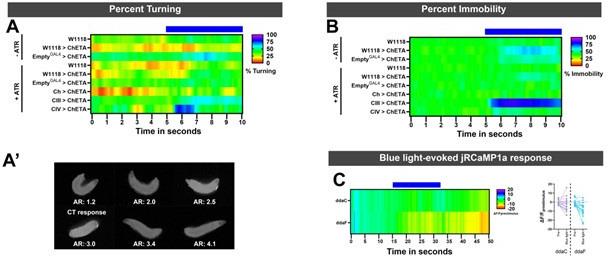
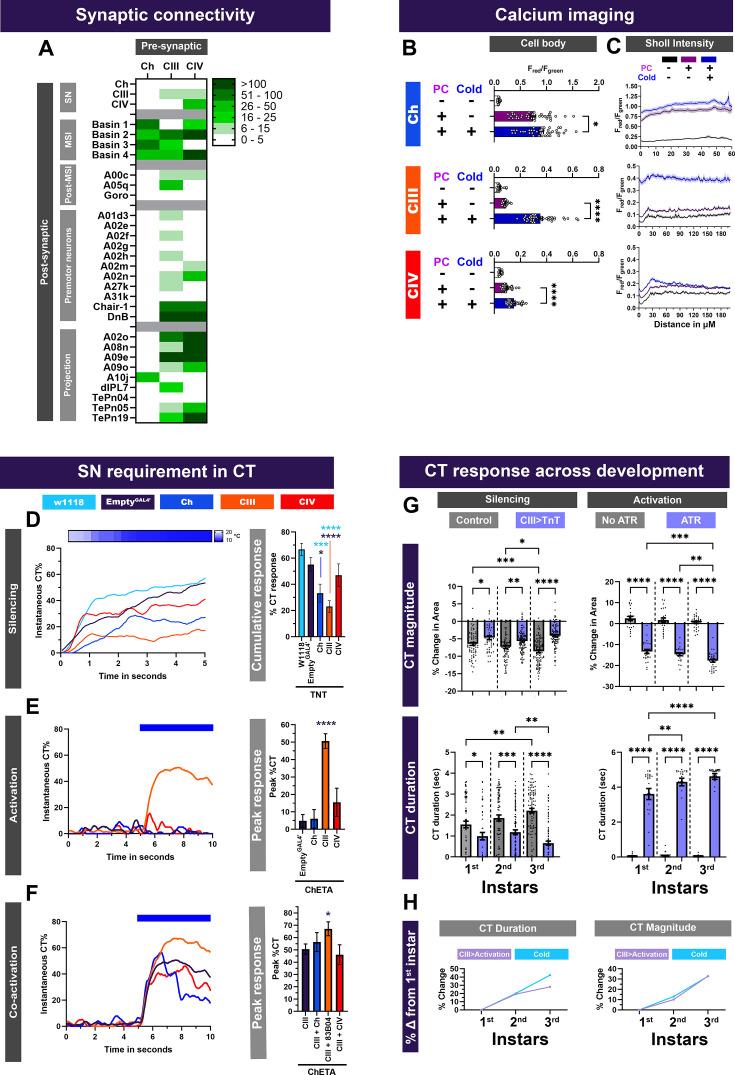
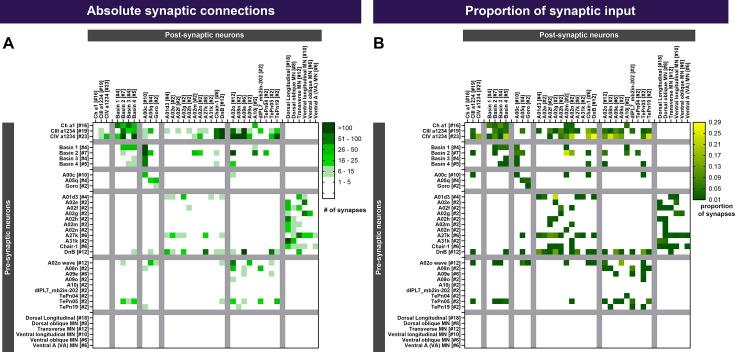
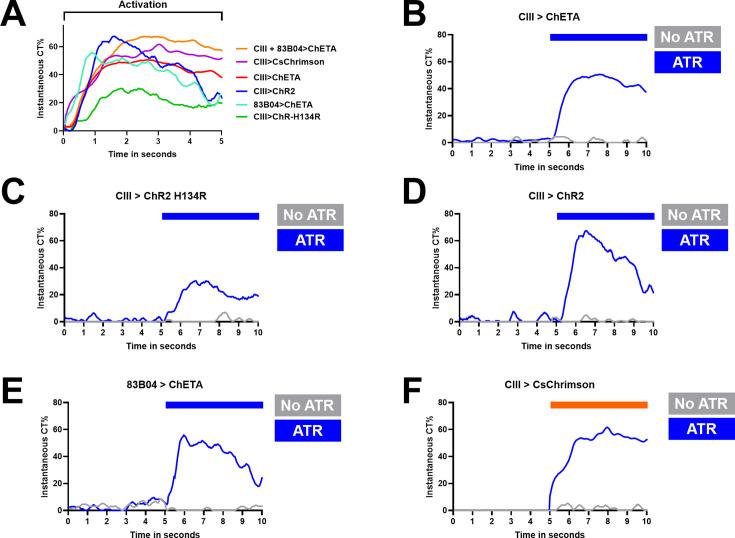
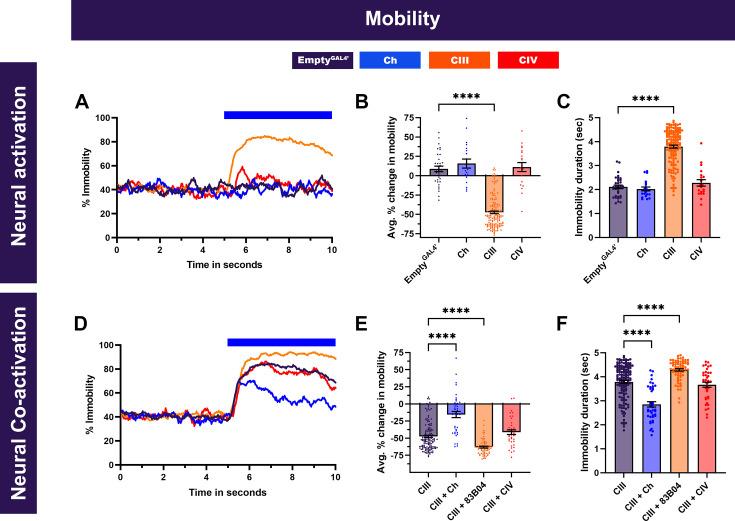
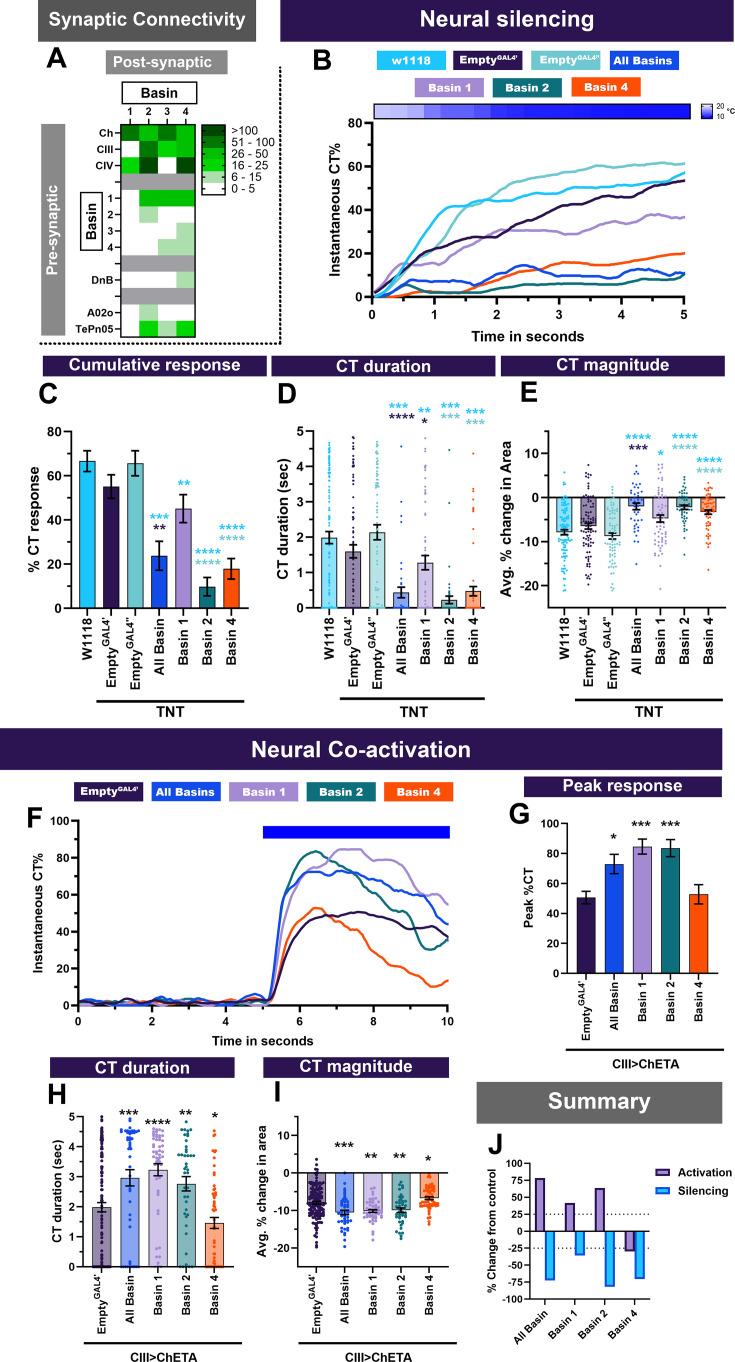
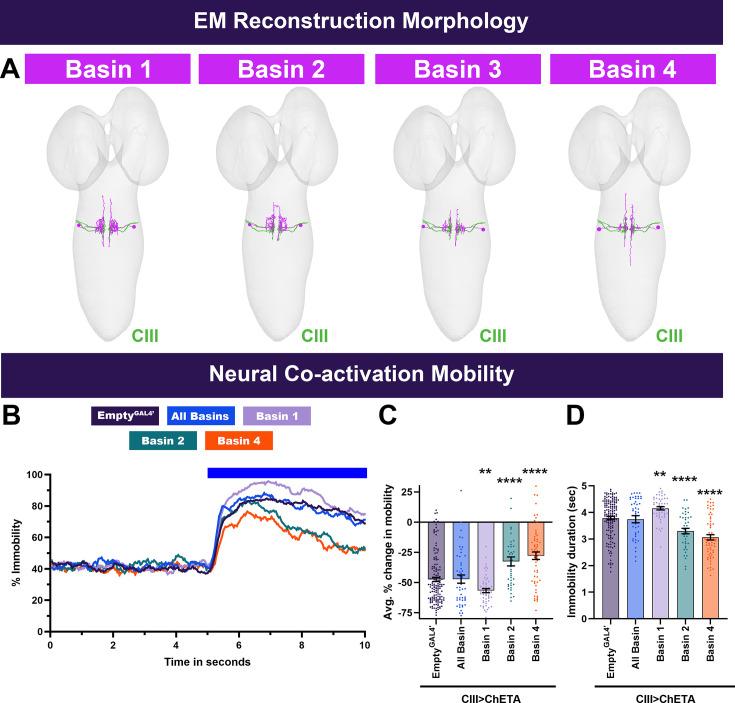
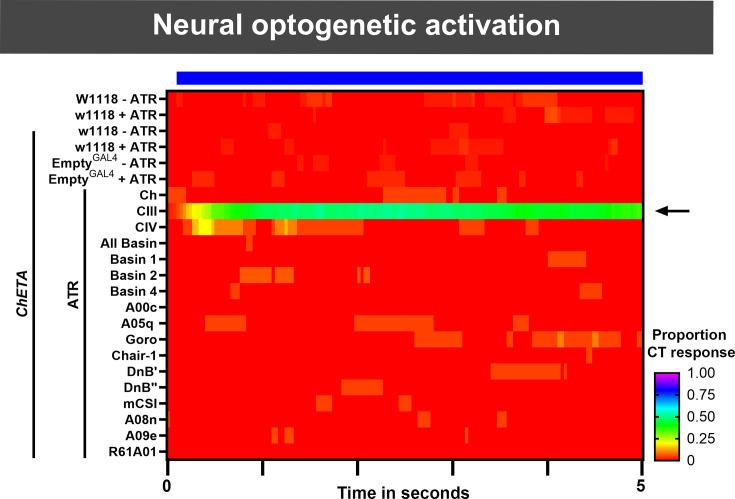
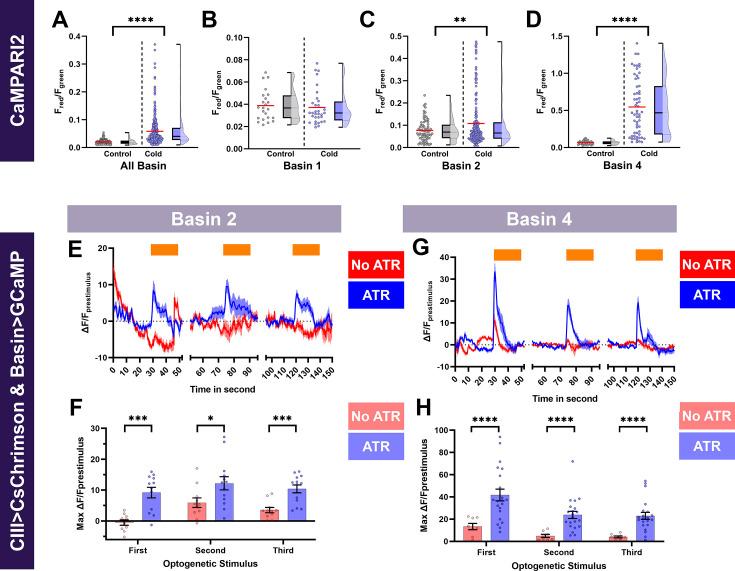
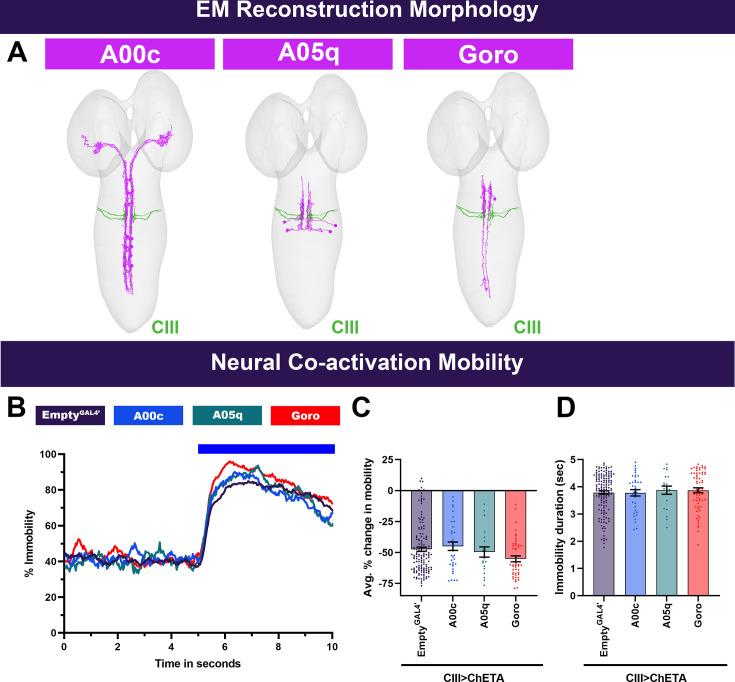
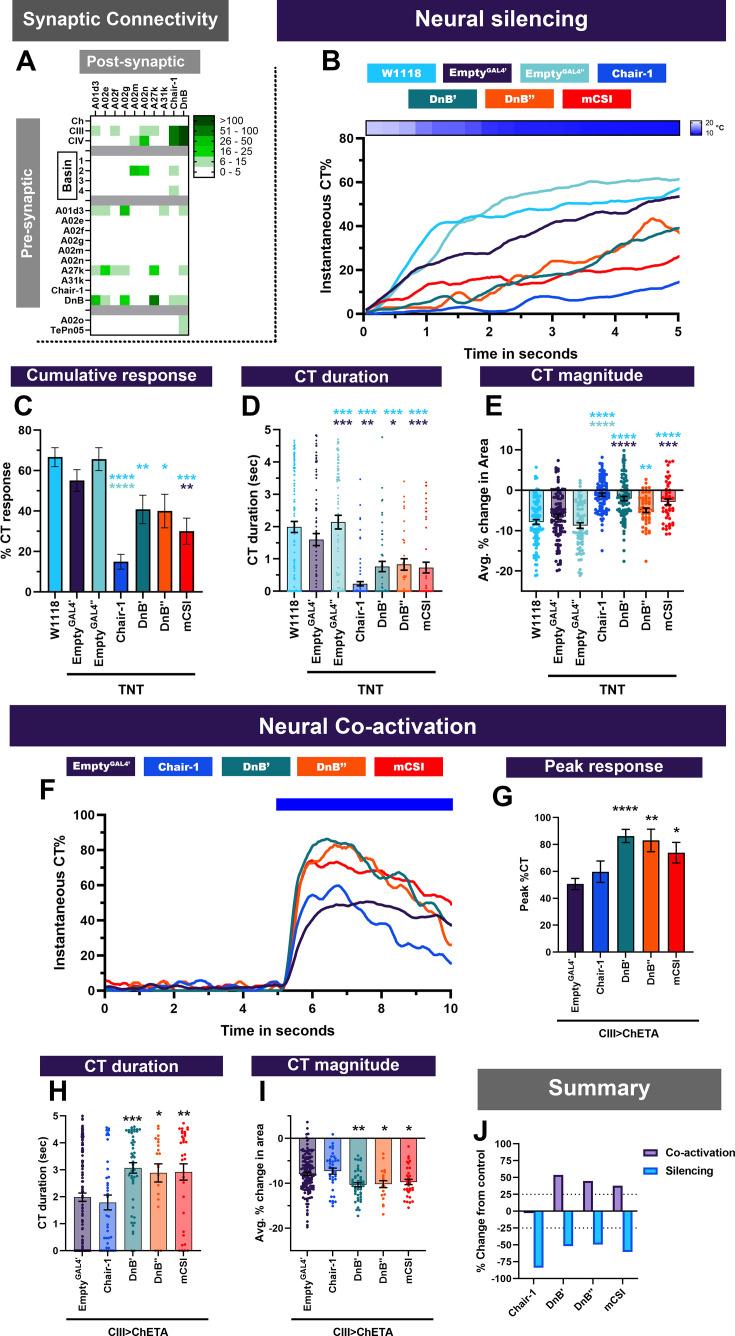
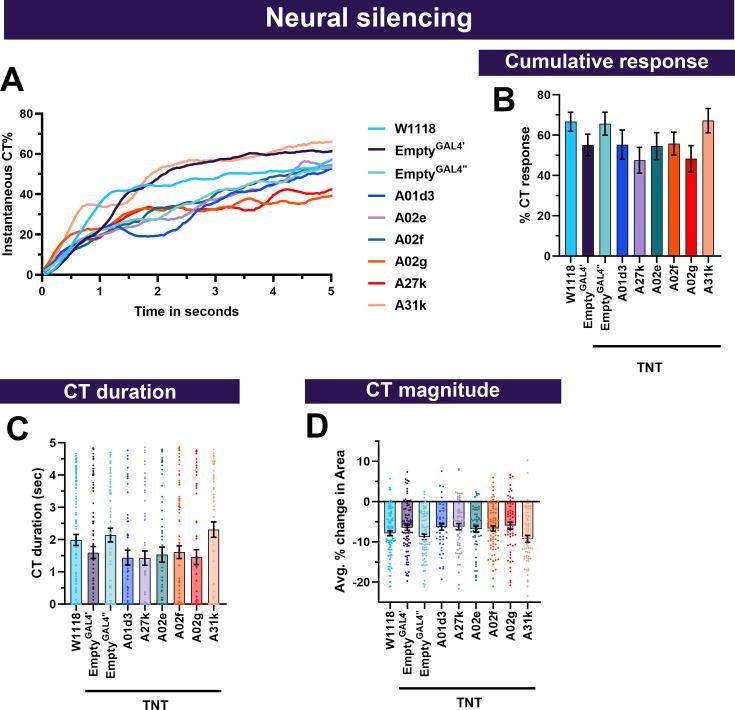
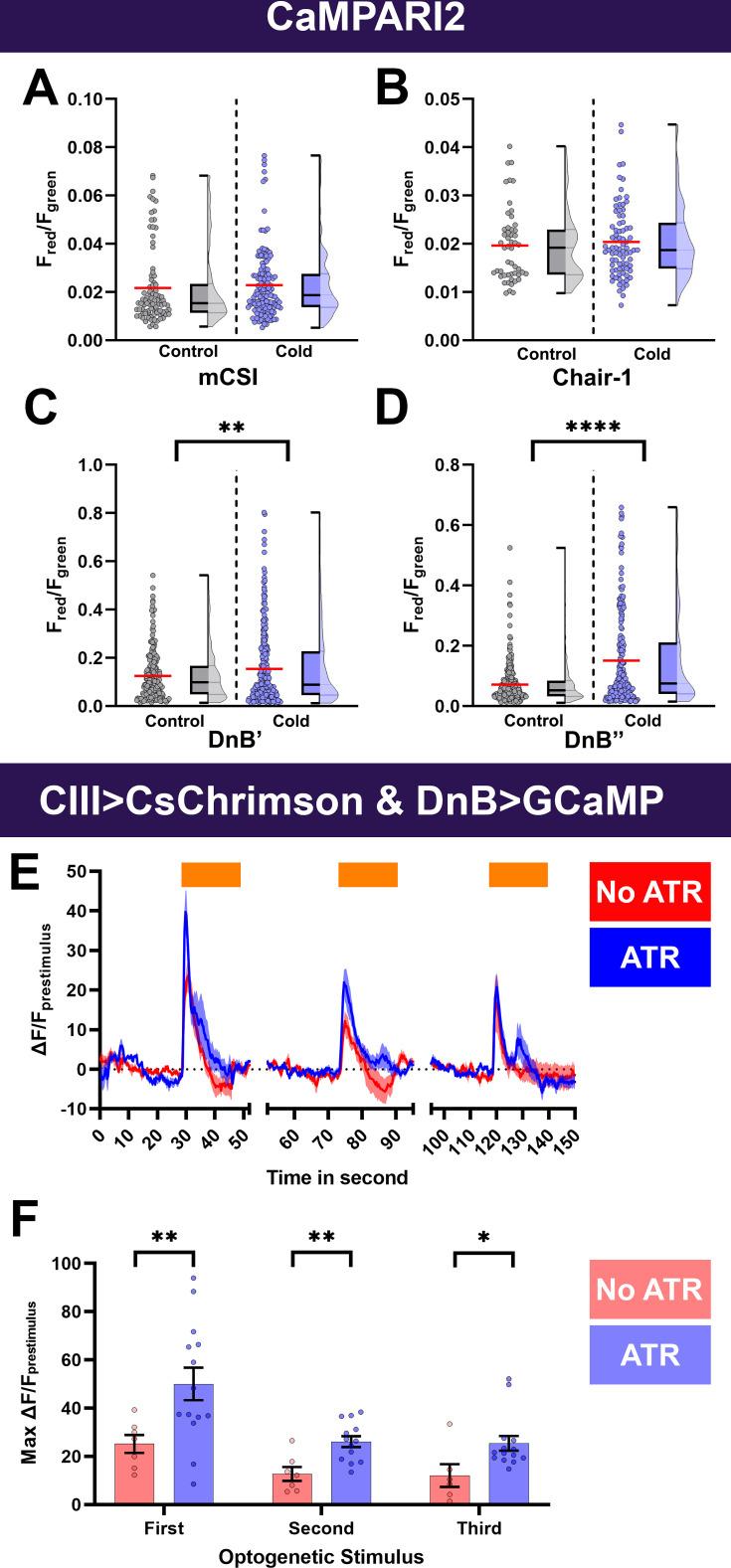
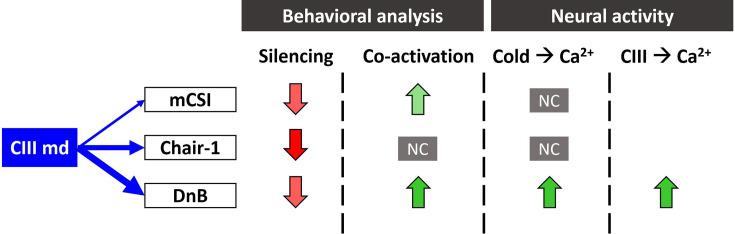
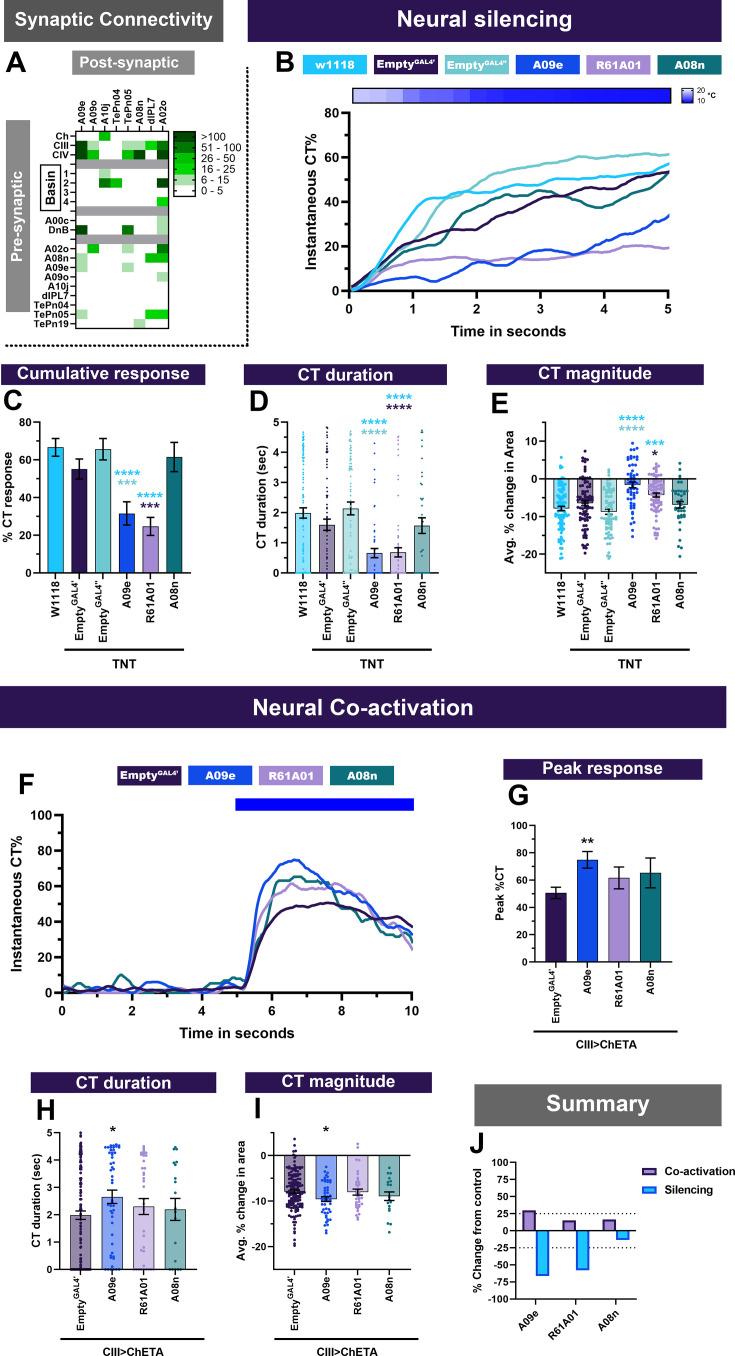
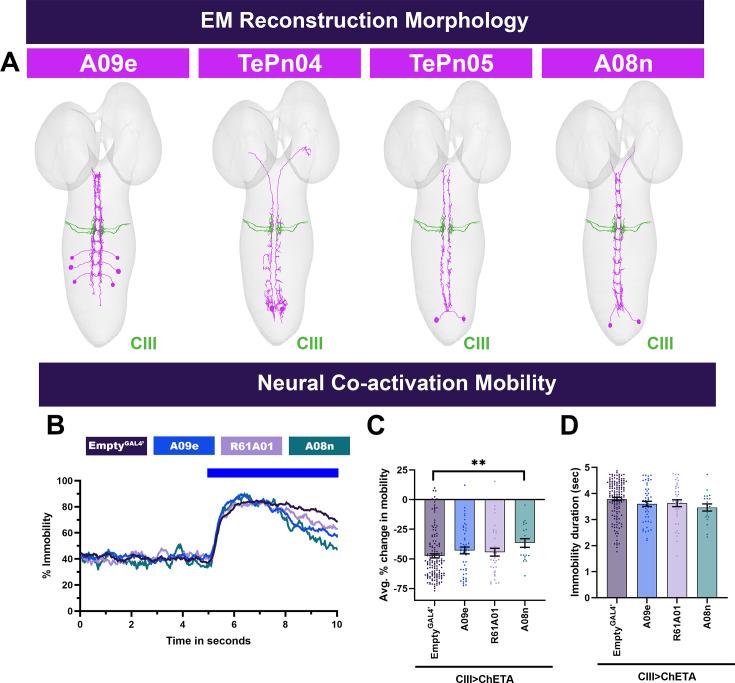
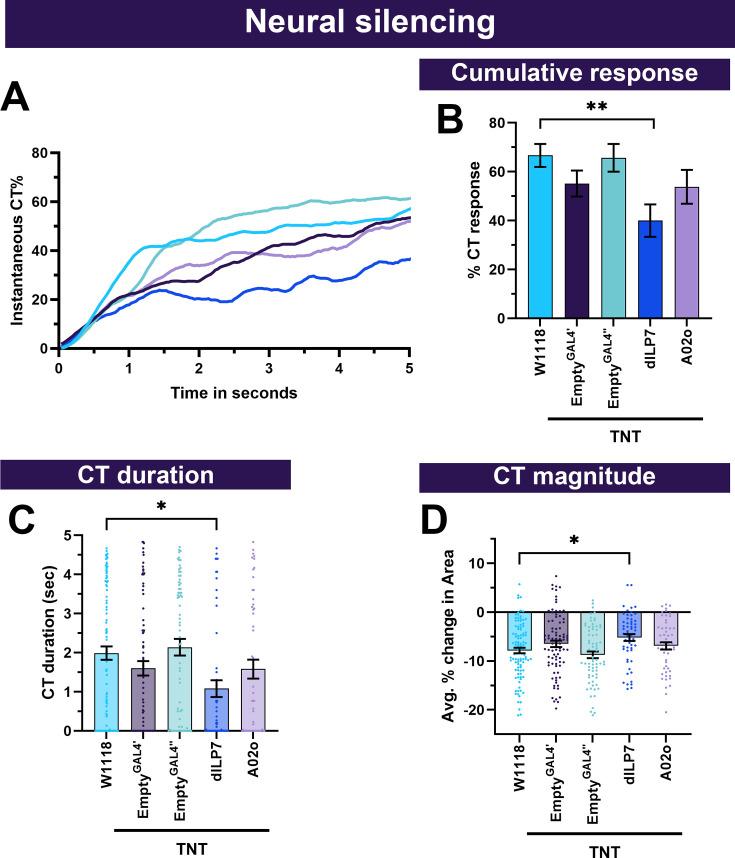
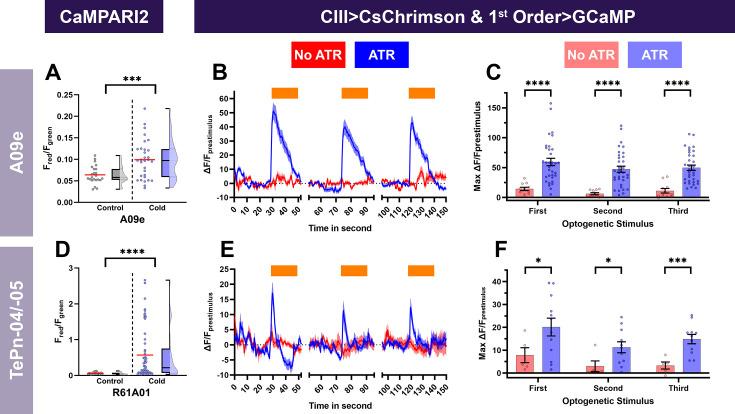
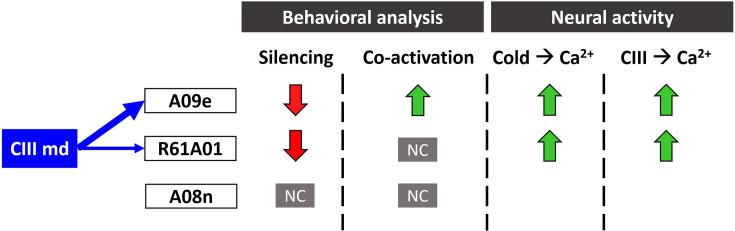
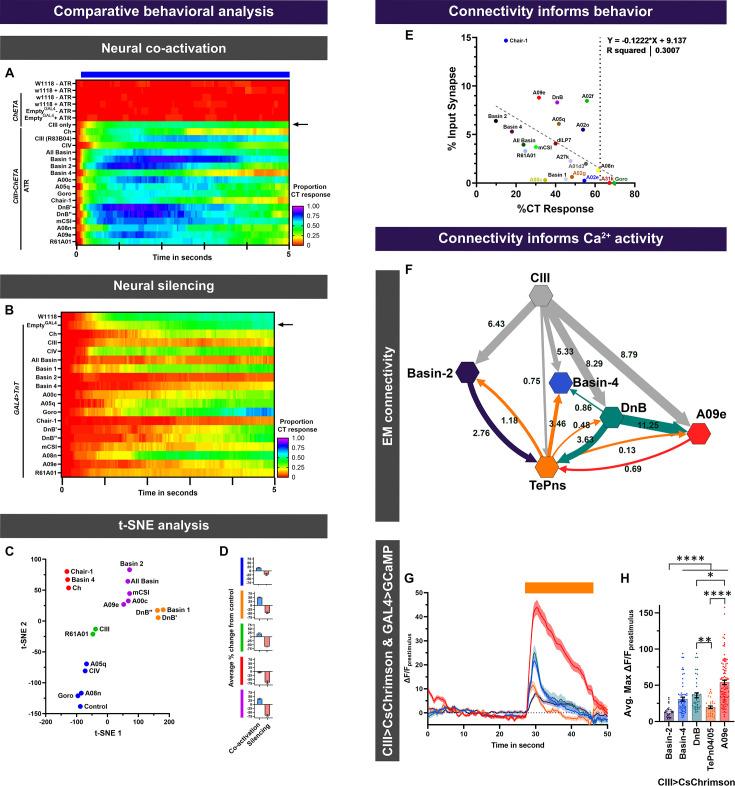
Metazoans detect and differentiate between innocuous (non-painful) and/or noxious (harmful) environmental cues using primary sensory neurons, which serve as the first node in a neural network that computes stimulus-specific behaviors to either navigate away from injury-causing conditions or to perform protective behaviors that mitigate extensive injury. The ability of an animal to detect and respond to various sensory stimuli depends upon molecular diversity in the primary sensors and the underlying neural circuitry responsible for the relevant behavioral action selection. Recent studies in larvae have revealed that somatosensory class III multidendritic (CIII md) neurons function as multimodal sensors regulating distinct behavioral responses to innocuous mechanical and nociceptive thermal stimuli. Recent advances in circuit bases of behavior have identified and functionally validated larval somatosensory circuitry involved in innocuous (mechanical) and noxious (heat and mechanical) cues. However, central processing of cold nociceptive cues remained unexplored. We implicate multisensory integrators (Basins), premotor (Down-and-Back), and projection (A09e and TePns) neurons as neural substrates required for cold-evoked behavioral and calcium responses. Neural silencing of cell types downstream of CIII md neurons led to significant reductions in cold-evoked behaviors, and neural co-activation of CIII md neurons plus additional cell types facilitated larval contraction (CT) responses. Further, we demonstrate that optogenetic activation of CIII md neurons evokes calcium increases in these neurons. Finally, we characterize the premotor to motor neuron network underlying cold-evoked CT and delineate the muscular basis of CT response. Collectively, we demonstrate how larvae process cold stimuli through functionally diverse somatosensory circuitry responsible for generating stimulus-specific behaviors.
后生动物利用初级感觉神经元来检测并区分无害(无疼痛)和/或有害(有伤害性)的环境线索,这些神经元是神经网络中的第一个节点,该网络会计算特定刺激的行为,以远离造成伤害的环境或执行减轻广泛损伤的保护行为。动物检测和响应各种感觉刺激的能力取决于初级传感器中的分子多样性以及负责相关行为动作选择的潜在神经回路。最近对幼虫的研究表明,躯体感觉III类多树突(CIII md)神经元作为多模式传感器,调节对无害机械刺激和伤害性热刺激的不同行为反应。行为的神经回路基础的最新进展已经确定并在功能上验证了涉及无害(机械)和有害(热和机械)线索的幼虫躯体感觉神经回路。然而,冷伤害性线索的中枢处理仍未被探索。我们认为多感觉整合器(Basins)、运动前(Down-and-Back)和投射(A09e和TePns)神经元是冷诱发行为和钙反应所需的神经基质。CIII md神经元下游细胞类型的神经沉默导致冷诱发行为显著减少,CIII md神经元与其他细胞类型的神经共激活促进了幼虫收缩(CT)反应。此外,我们证明了CIII md神经元的光遗传学激活会引起这些神经元中钙的增加。最后,我们描述了冷诱发CT背后的运动前神经元到运动神经元网络,并描绘了CT反应的肌肉基础。总的来说,我们展示了幼虫如何通过功能多样的躯体感觉神经回路处理冷刺激,这些神经回路负责产生特定刺激的行为。







 Zotero 插件