
糖尿病、轻躁狂状态与不安全依恋之间未被充分探索的联系。
Underexplored Connections Between Diabetes, Hypomanic States and Insecure Attachment.
作者信息
Bogdanova Diana, Maes Michael, Stoyanov Drozdstoj
机构信息
Clinical Psychologist at Center for Psychological Support - PSY HEALTH, Sofia, Bulgaria.
Sichuan Provincial Center for Mental Health, Sichuan Provincial People's Hospital, School of Medicine, University of Electronic Science and Technology of China, Chengdu, 610072, People's Republic of China.
出版信息
Psychol Res Behav Manag. 2025 Jun 11;18:1333-1345. doi: 10.2147/PRBM.S524823. eCollection 2025.
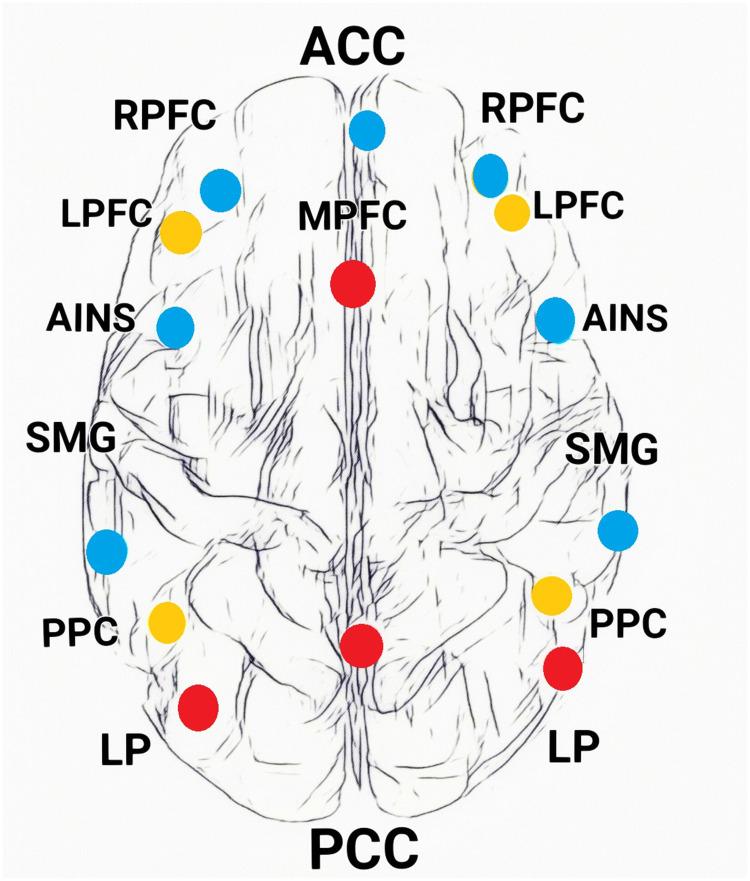
Diabetes, dopamine, attachment style disorders, and hypomania share complex interrelations involving neuroinflammation, dysfunction in brain networks (DMN, CEN, SAL), and emotional regulation. Both Type 1 and Type 2 diabetes induce cognitive and structural changes in the brain through mechanisms such as hyperglycemia, insulin resistance, and chronic inflammation. These processes can affect the dopaminergic system, which plays a pivotal role in motivation, emotional regulation, and the manifestation of hypomania. Dopamine is directly linked to attachment styles, with disturbances in this system increasing vulnerability to emotional disorders, including bipolar disorder and schizophrenia. Hypomania, a hallmark of the bipolar spectrum, is associated with dopaminergic imbalances, often observed in diabetes.
糖尿病、多巴胺、依恋风格障碍和轻躁狂之间存在复杂的相互关系,涉及神经炎症、脑网络(默认模式网络、中央执行网络、突显网络)功能障碍以及情绪调节。1型和2型糖尿病均通过高血糖、胰岛素抵抗和慢性炎症等机制引发大脑的认知和结构变化。这些过程会影响多巴胺能系统,该系统在动机、情绪调节和轻躁狂的表现中起关键作用。多巴胺与依恋风格直接相关,该系统的紊乱会增加患情绪障碍(包括双相情感障碍和精神分裂症)的易感性。轻躁狂是双相谱系障碍的一个特征,与多巴胺能失衡有关,这在糖尿病中经常可见。
 Zotero 插件