
糖尿病伤口愈合中的细胞迁移:分子机制与治疗策略(综述)
Cell migration in diabetic wound healing: Molecular mechanisms and therapeutic strategies (Review).
作者信息
Song Jielin, Zhao Tong, Wang Chuanfu, Sun Xu, Sun Junchao, Zhang Zhaohui
机构信息
Graduate School, Tianjin University of Traditional Chinese Medicine, Tianjin 301617, P.R. China.
Department of Encephalopathy, Liangping Traditional Chinese Medicine Hospital, Chongqing 405299, P.R. China.
出版信息
Int J Mol Med. 2025 Aug;56(2). doi: 10.3892/ijmm.2025.5567. Epub 2025 Jun 20.
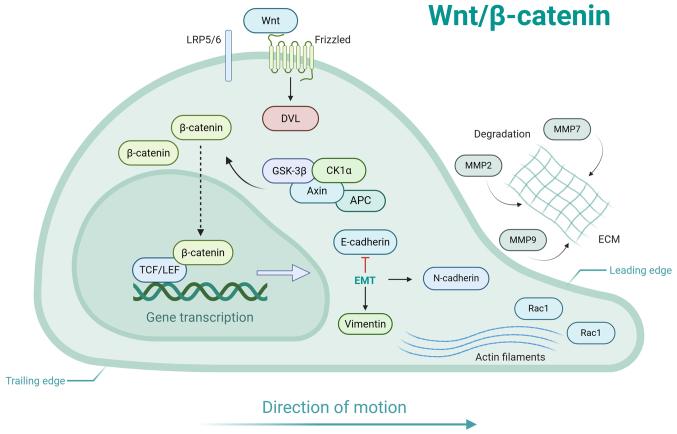
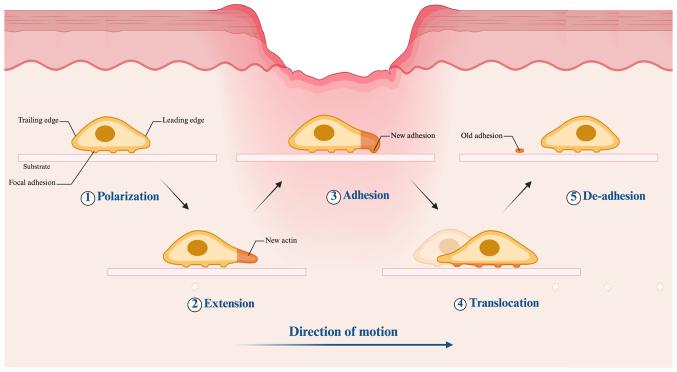
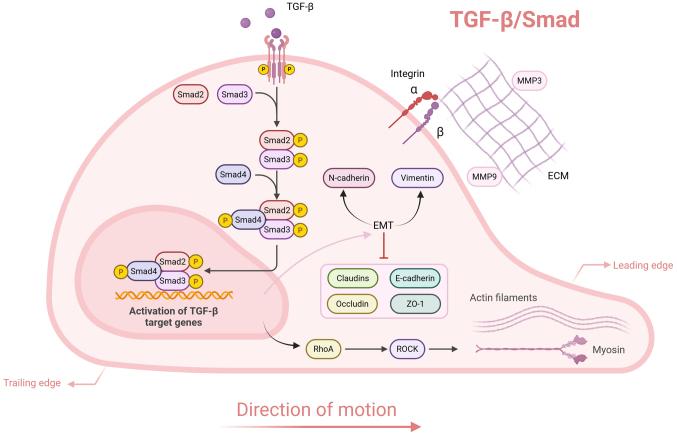
Diabetic wounds are among the most prevalent forms of chronic wound and are a prominent clinical challenge in contemporary healthcare. Impaired cell migration represents one of the key mechanisms underlying the difficulty in diabetic wound healing, involving multiple cell types including neutrophils, macrophages, keratinocytes, endothelial cells and fibroblasts. Under the influence of pathological factors, including hyperglycemia, chronic inflammation, oxidative stress and an abnormal microenvironment, the cell migration becomes impaired, leading to delayed wound healing. Key signaling pathways including Rho GTPase, PI3K/Akt, TGF‑β/Smad and Wnt/β‑catenin are involved in the regulation of cell migration. Non‑coding RNAs exert a pivotal influence on diabetic wound healing by modulating these signaling pathways or their downstream targets. Notably, stem cells and their exosomes, growth factor therapy, drug‑loaded dressings and traditional Chinese medicine can modulate cell migration via non‑coding RNAs and associated signaling pathways, thereby establishing a therapeutic regulatory axis. This review systematically consolidates advances in this field, providing novel insight into the mechanisms of cell migration in diabetic wounds and facilitating the development of innovative therapeutic strategies.
糖尿病伤口是慢性伤口最常见的形式之一,也是当代医疗保健中一项突出的临床挑战。细胞迁移受损是糖尿病伤口愈合困难的关键机制之一,涉及多种细胞类型,包括中性粒细胞、巨噬细胞、角质形成细胞、内皮细胞和成纤维细胞。在高血糖、慢性炎症、氧化应激和异常微环境等病理因素的影响下,细胞迁移受损,导致伤口愈合延迟。包括Rho GTPase、PI3K/Akt、TGF-β/Smad和Wnt/β-连环蛋白在内的关键信号通路参与细胞迁移的调控。非编码RNA通过调节这些信号通路或其下游靶点,对糖尿病伤口愈合发挥关键影响。值得注意的是,干细胞及其外泌体、生长因子疗法、载药敷料和中药可通过非编码RNA和相关信号通路调节细胞迁移,从而建立治疗调控轴。本综述系统总结了该领域的进展,为深入了解糖尿病伤口中细胞迁移的机制提供了新的见解,并促进了创新治疗策略的发展。


 Zotero 插件