
木糖醇和麦芽糖醇口香糖对减少牙菌斑及调节唾液pH值的作用:一项针对儿科患者的回顾性研究
Effect of Xylitol and Maltitol Chewing Gums on Plaque Reduction and Salivary pH Modulation: A Retrospective Study in Pediatric Patients.
作者信息
Ludovichetti Francesco Saverio, Stellini Edoardo, Rodella Camilla, Sambugaro Marco, Gaja Pier Francesco, Rizzato Alessia, Mazzoleni Sergio
机构信息
Department of Neurosciences, Dentistry Section, Padova University, 35122 Padova, Italy.
出版信息
Dent J (Basel). 2025 May 25;13(6):233. doi: 10.3390/dj13060233.
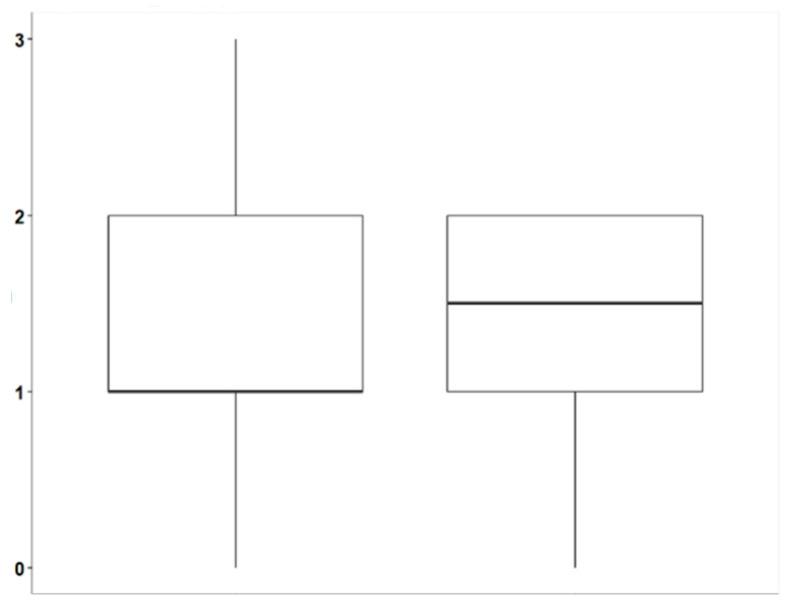
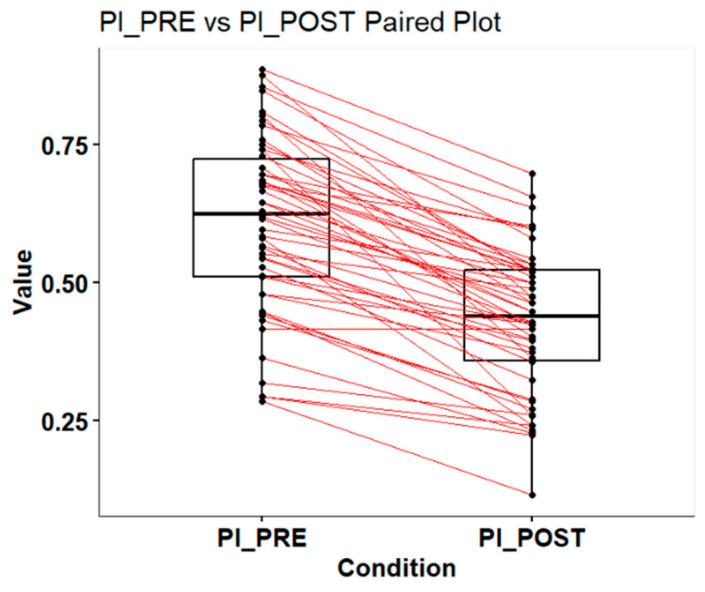
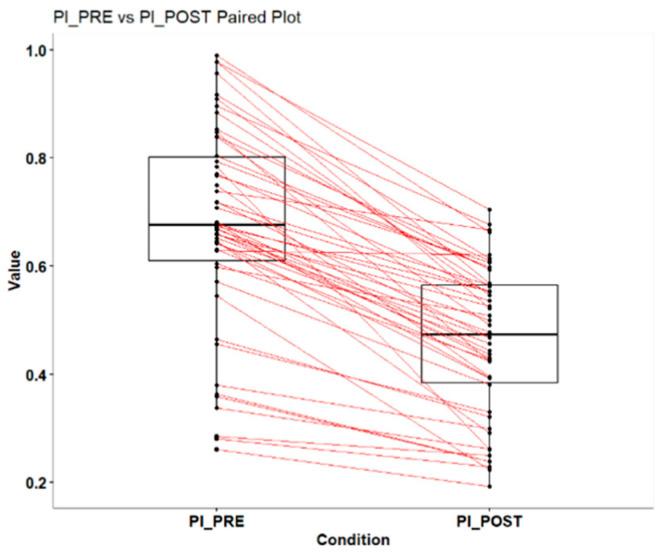
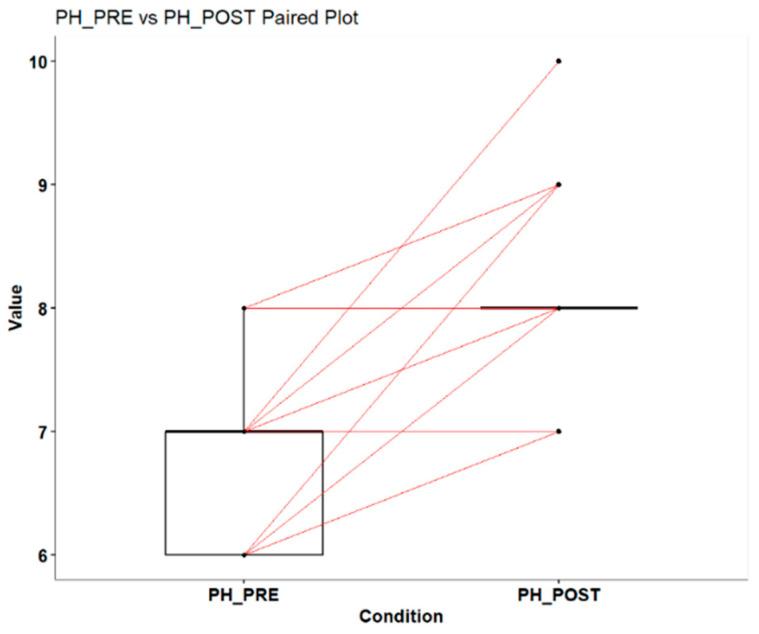
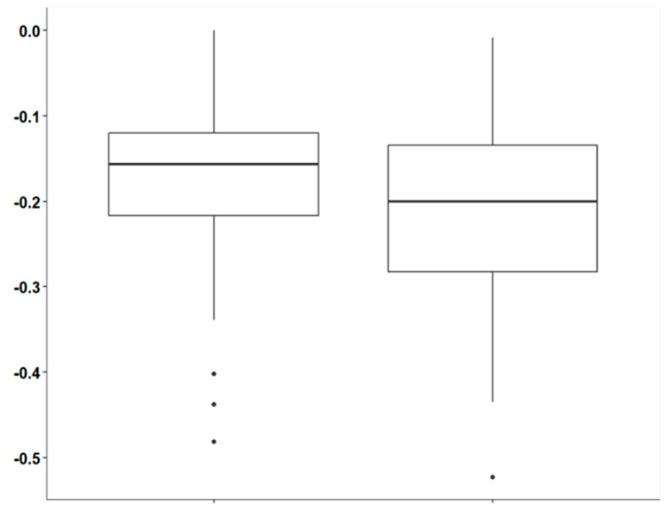
This clinical study aimed to evaluate the effects of two different sugar-free chewing gums on bacterial plaque reduction and salivary pH modulation in pediatric patients. This study retrospectively analyzed data from 100 children aged between 7 and 14 years who had previously participated in an investigation on plaque control and salivary pH. The Plaque Control Record Index (PCR) had been assessed in all participants using a plaque-disclosing agent, and salivary pH had been measured with a litmus test. The children had been randomly assigned into two groups: 50 had chewed a xylitol-containing gum, while the remaining 50 had chewed a maltitol-containing gum for five minutes. PCR and salivary pH values recorded immediately after chewing were reviewed for analysis. Both chewing gums significantly reduced Plaque Control Record (PCR) values on dental surfaces ( < 0.001), indicating a statistically significant difference between pre- and post-treatment values. Salivary pH increased in both groups, suggesting a buffering effect associated with gum chewing. While the maltitol gum also reduced plaque accumulation, it showed greater variability in efficacy compared to the xylitol gum. No statistically significant differences were observed between the two gums in terms of salivary pH modulation. The findings highlight the beneficial effects of sugar-free chewing gums in reducing bacterial plaque and increasing salivary pH. These effects appear to be independent of the specific type of gum used, supporting their potential role as an adjunctive measure in oral hygiene maintenance.
这项临床研究旨在评估两种不同的无糖口香糖对儿科患者牙菌斑减少和唾液pH值调节的影响。本研究回顾性分析了100名年龄在7至14岁之间儿童的数据,这些儿童此前参与了一项关于牙菌斑控制和唾液pH值的调查。所有参与者均使用菌斑显示剂评估菌斑控制记录指数(PCR),并通过石蕊试验测量唾液pH值。这些儿童被随机分为两组:50名儿童咀嚼含木糖醇的口香糖,其余50名儿童咀嚼含麦芽糖醇的口香糖,持续5分钟。对咀嚼后立即记录的PCR和唾液pH值进行回顾分析。两种口香糖均显著降低了牙面的菌斑控制记录(PCR)值(<0.001),表明治疗前后的值存在统计学显著差异。两组的唾液pH值均升高,表明与咀嚼口香糖相关的缓冲作用。虽然麦芽糖醇口香糖也减少了牙菌斑的积累,但与木糖醇口香糖相比,其疗效的变异性更大。在唾液pH值调节方面,两种口香糖之间未观察到统计学显著差异。研究结果突出了无糖口香糖在减少细菌菌斑和提高唾液pH值方面的有益作用。这些作用似乎与所使用的口香糖的具体类型无关,支持了它们作为口腔卫生维护辅助措施的潜在作用。

 Zotero 插件