
脂质-聚合物杂化纳米颗粒作为用于肽/蛋白质递送的智能药物递送系统
Lipid-Polymer Hybrid Nanoparticles as a Smart Drug Delivery System for Peptide/Protein Delivery.
作者信息
Hassan Alharith A A, Ramadan Eslam, Kristó Katalin, Regdon Géza, Sovány Tamás
机构信息
Institute of Pharmaceutical Technology and Regulatory Affairs, University of Szeged, Eötvös u. 6, H-6720 Szeged, Hungary.
Department of Pharmaceutics, Faculty of Pharmacy, University of Khartoum, Khartoum P.O. Box 1996, Sudan.
出版信息
Pharmaceutics. 2025 Jun 19;17(6):797. doi: 10.3390/pharmaceutics17060797.
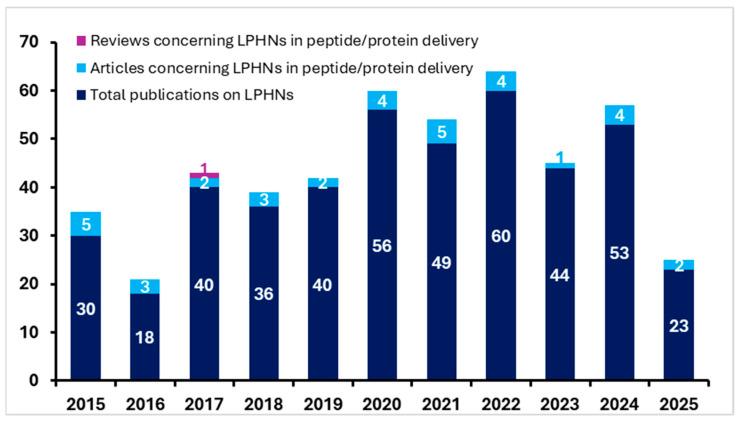
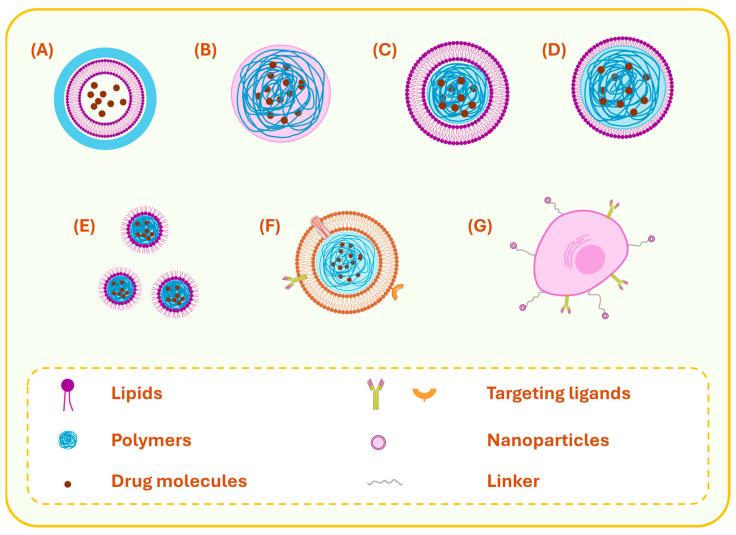
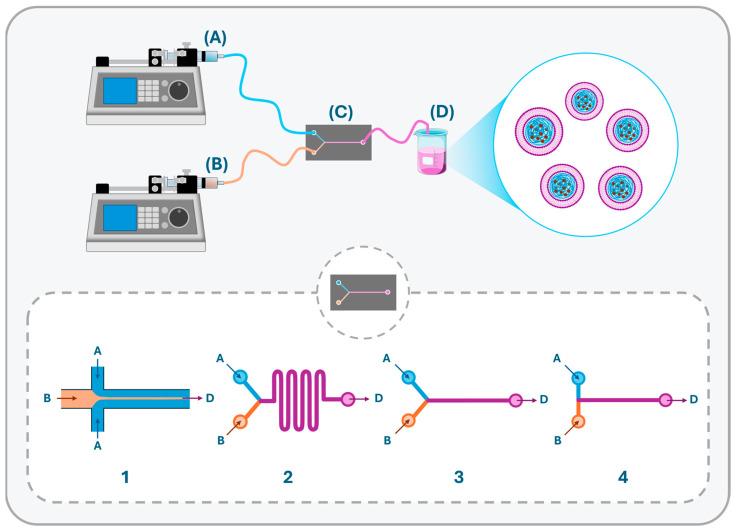
The efficient oral delivery of therapeutic proteins and peptides poses a tremendous challenge due to their inherent instability, large molecular size, and susceptibility to enzymatic degradation. Several nanocarrier systems, such as liposomes, solid lipid nanoparticles, and polymeric nanoparticles, have been explored to overcome these problems. Liposomes and other lipid-based nanocarriers show excellent biocompatibility and the ability to encapsulate hydrophobic and hydrophilic drugs; however, they often suffer from poor structural stability, premature leakage of the loaded drugs, and poor encapsulation efficiency for macromolecular peptides and proteins. On the other hand, polymeric nanoparticles are more stable and allow better control over drug release; nevertheless, they usually lack the necessary biocompatibility and cellular uptake efficiency. Recently, lipid-polymer hybrid nanoparticles (LPHNs) have emerged as an advanced solution combining the structural stability of polymers and the biocompatibility and surface functionalities of lipids to enhance the controlled release, stability, and bioavailability of protein and peptide drugs. In this review, an attempt was made to set a clear definition of the LPHNs and extend the concept and area, so to our knowledge, this is the first review that highlights six categories of the LPHNs based on their anatomy. Moreover, this review offers a detailed analysis of LPHN preparation methods, including conventional and nonconventional one-step and two-step processes, nanoprecipitation, microfluidic mixing, and emulsification methods. Moreover, the material attributes and critical process parameters affecting the output of the preparation methods were illustrated with supporting examples to enable researchers to select the suitable preparation method, excipients, and parameters to be manipulated to get the LPHNs with the predetermined quality. The number of reviews focusing on the formulation of peptide/protein pharmaceutics usually focus on a specific drug like insulin. To our knowledge, this is the first review that generally discusses LPHN-based delivery of biopharmaceuticals. by discussing representative examples of previous reports comparing them to a variety of nanocarrier systems to show the potentiality of the LPHNs to deliver peptides and proteins. Moreover, some ideas and suggestions were proposed by the authors to tackle some of the shortcomings highlighted in these studies. By presenting this comprehensive overview of LPHN preparation strategies and critically analyzing literature studies on this topic and pointing out their strong and weak points, this review has shown the gaps and enlightened avenues for future research.
由于治疗性蛋白质和肽具有固有的不稳定性、较大的分子尺寸以及易受酶降解的特性,其高效口服递送面临着巨大挑战。人们已经探索了几种纳米载体系统,如脂质体、固体脂质纳米粒和聚合物纳米粒,以克服这些问题。脂质体和其他基于脂质的纳米载体具有出色的生物相容性以及封装疏水和亲水药物的能力;然而,它们常常存在结构稳定性差、所载药物过早泄漏以及对大分子肽和蛋白质的封装效率低等问题。另一方面,聚合物纳米粒更稳定,并且能更好地控制药物释放;尽管如此,它们通常缺乏必要的生物相容性和细胞摄取效率。最近,脂质 - 聚合物杂化纳米粒(LPHNs)作为一种先进的解决方案出现,它结合了聚合物的结构稳定性以及脂质的生物相容性和表面功能,以提高蛋白质和肽类药物的控释、稳定性和生物利用度。在这篇综述中,我们试图对LPHNs给出明确的定义,并扩展其概念和范畴,据我们所知,这是第一篇基于其结构对LPHNs的六种类别进行重点阐述的综述。此外,本综述详细分析了LPHN的制备方法,包括传统和非传统的一步法和两步法、纳米沉淀法、微流控混合法以及乳化法。此外,还通过实例说明了影响制备方法产出的材料属性和关键工艺参数,以使研究人员能够选择合适的制备方法、辅料以及可操控的参数,从而获得具有预定质量的LPHNs。专注于肽/蛋白质药物制剂的综述数量通常集中在特定药物如胰岛素上。据我们所知,这是第一篇全面讨论基于LPHN的生物药物递送的综述。通过讨论先前报道的代表性实例,并将它们与各种纳米载体系统进行比较,以展示LPHNs递送肽和蛋白质的潜力。此外,作者还提出了一些想法和建议,以解决这些研究中突出的一些缺点。通过对LPHN制备策略进行全面概述,并对该主题的文献研究进行批判性分析,指出其优点和不足,本综述揭示了差距并为未来研究指明了方向。


 Zotero 插件