
基础代谢率影响肝细胞癌的发生和发展。
Basal metabolic rate shapes the development and progression of hepatocellular carcinoma.
作者信息
Maciak Sebastian, Sawicka Diana, Kasacka Irena, Chyczewski Lech, Car Halina, Konarzewski Marek
机构信息
Department of Evolutionary and Physiological Ecology, University of Bialystok, K. Ciolkowskiego 1J, Bialystok, 15-245, Poland.
Department of Experimental Pharmacology, Medical University of Bialystok, Bialystok, 15-295, Poland.
出版信息
BMC Cancer. 2025 Jul 1;25(1):1102. doi: 10.1186/s12885-025-14491-4.
BACKGROUND
Among several cancer risk factors, the variation in basal metabolism rate (BMR), which constitutes up to 70% of total energy expenditures in humans, may be causally linked with neoplasm development. As BMR reflects the mass of metabolically active organs, being the function of cell size and/or cell number, it may serve as a critical metabolic proxy of cancer susceptibility in the context of cell growth and cell size.
METHODS
We examined the progression and rate of development of chemically induced hepatocellular carcinoma, using lines of mice divergently selected for high or low BMR and differing with respect to both the size of metabolically active organs and their cellular architecture.
RESULTS
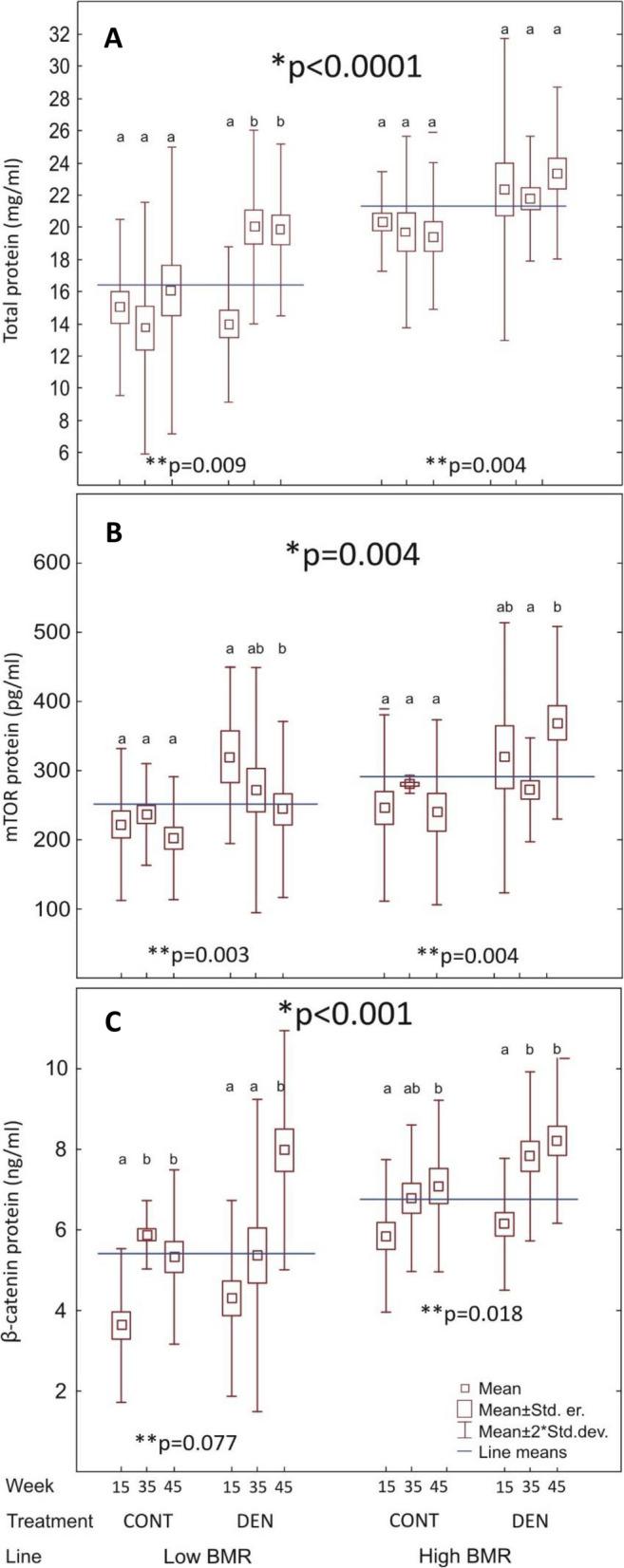
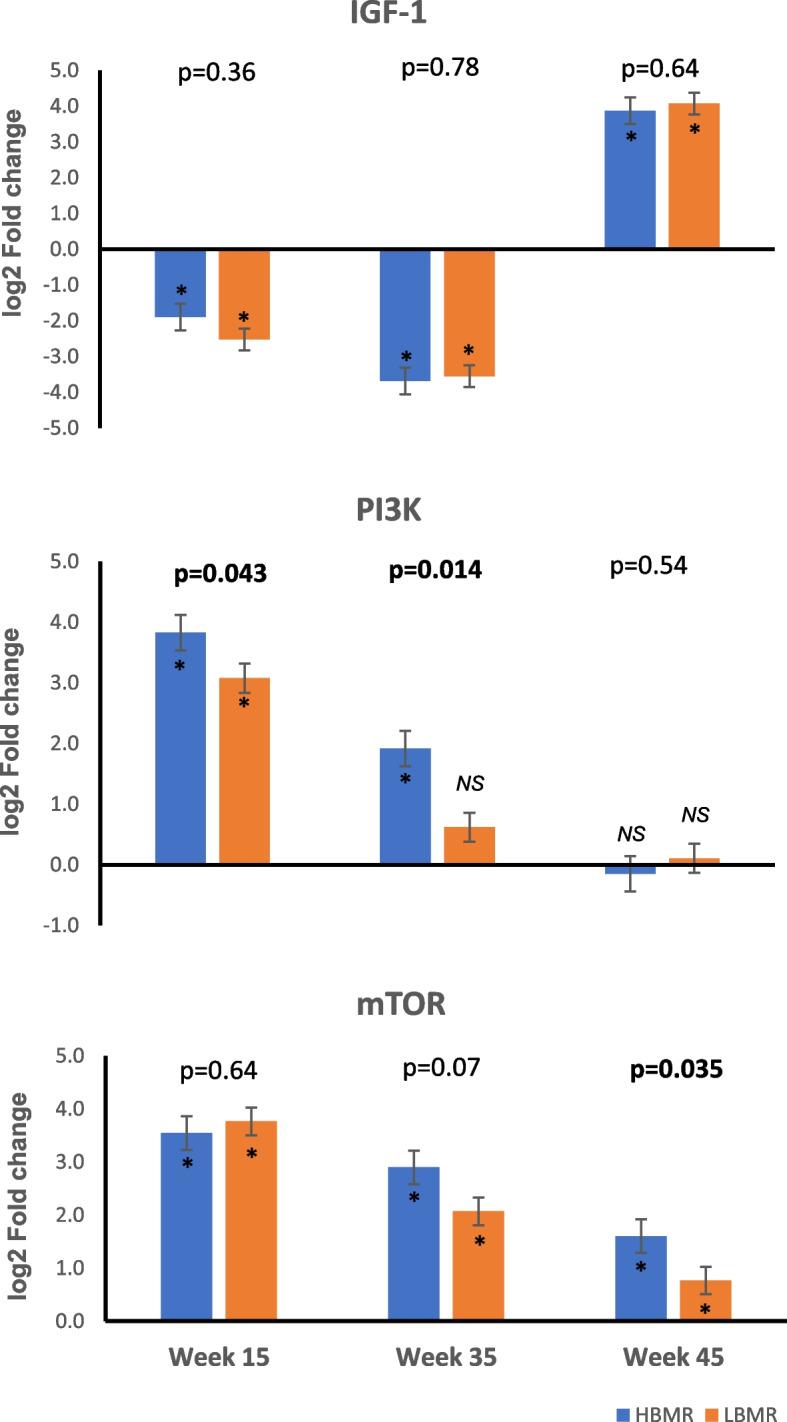
The high BMR mouse line developed hepatocellular carcinoma much faster and with a higher progression rate, accompanied by a considerable increase in liver size and hepatocyte enlargement, as compared to the low BMR mouse line. The HBMR mice also manifested an increased expression of metabolism- and cell size-related genes (mTOR, PI3K, c-myc, but not IGF-1), with a simultaneous decrease in the activity of tumor suppressors (p-53, APC) at the beginning of cancerogenic processes, promoting further neoplasm expansion. CONCLUSION: Presented results suggest that genetically determined high BMR may additionally burden liver cells via changes in the action of specific genes, leading to higher tumorigenesis.
背景
在多种癌症风险因素中,基础代谢率(BMR)的变化可能与肿瘤发生存在因果联系,基础代谢率在人类总能量消耗中占比高达70%。由于基础代谢率反映了代谢活跃器官的质量,而这是细胞大小和/或细胞数量的函数,在细胞生长和细胞大小的背景下,它可能作为癌症易感性的关键代谢指标。
方法
我们使用为高基础代谢率或低基础代谢率而进行 divergent 选择的小鼠品系,这些品系在代谢活跃器官的大小及其细胞结构方面存在差异,研究化学诱导的肝细胞癌的进展和发展速度。
结果
与低基础代谢率小鼠品系相比,高基础代谢率小鼠品系肝细胞癌发展得更快且进展率更高,同时肝脏大小显著增加且肝细胞增大。高基础代谢率小鼠在致癌过程开始时还表现出与代谢和细胞大小相关基因(mTOR、PI3K、c-myc,但不包括IGF-1)的表达增加,同时肿瘤抑制因子(p-53、APC)的活性降低,从而促进肿瘤进一步扩大。
结论
呈现的结果表明,遗传决定的高基础代谢率可能通过特定基因作用的改变额外加重肝细胞负担,导致更高的肿瘤发生风险。


 Zotero 插件