
在弹性蛋白酶诱导的肺气肿形成后给予口服血管紧张素-(1-7)制剂可抑制炎症并恢复肺结构。
Oral Angiotensin-(1-7) formulation after established elastase-induced emphysema suppresses inflammation and restores lung architecture.
作者信息
Magalhaes Giselle Santos, Villacampa Alicia, Rodrigues-Machado Maria Gloria, Campagnole-Santos Maria Jose, Souza Santos Robson Augusto, Sánchez-Ferrer Carlos F, Peiró Concepción
机构信息
Department of Pharmacology, School of Medicine, Universidad Autónoma de Madrid, Madrid, Spain.
Vascular Pharmacology and Metabolism (FARMAVASM) group, IdiPAZ, Madrid, Spain.
出版信息
Front Pharmacol. 2025 Jun 18;16:1540475. doi: 10.3389/fphar.2025.1540475. eCollection 2025.
BACKGROUND
Chronic obstructive pulmonary disease (COPD), a prevalent age-related condition, ranks among the leading causes of global mortality. It is characterized by chronic inflammation, cellular senescence, and irreversible lung tissue damage, with no curative treatments currently available. Angiotensin-(1-7) [Ang-(1-7)] has demonstrated anti-inflammatory and regenerative potential in preclinical models. This study aimed to investigate the therapeutic effects of oral Ang-(1-7) on senescence, inflammation, and tissue regeneration in a model of elastase-induced pulmonary emphysema.
METHODS
Male C57BL/6 mice were subjected to emphysema induction through three intratracheal instillations of porcine pancreatic elastase (PPE). One week after the final elastase instillation, the mice were treated with Ang-(1-7) encapsulated in hydroxypropyl-β-cyclodextrin to enhance its bioavailability. The treatment was administered daily for 4 weeks. Histological assessments, gene expression analysis, and protein quantification through Western blot were performed to evaluate lung architecture, inflammation, and senescence markers.
RESULTS
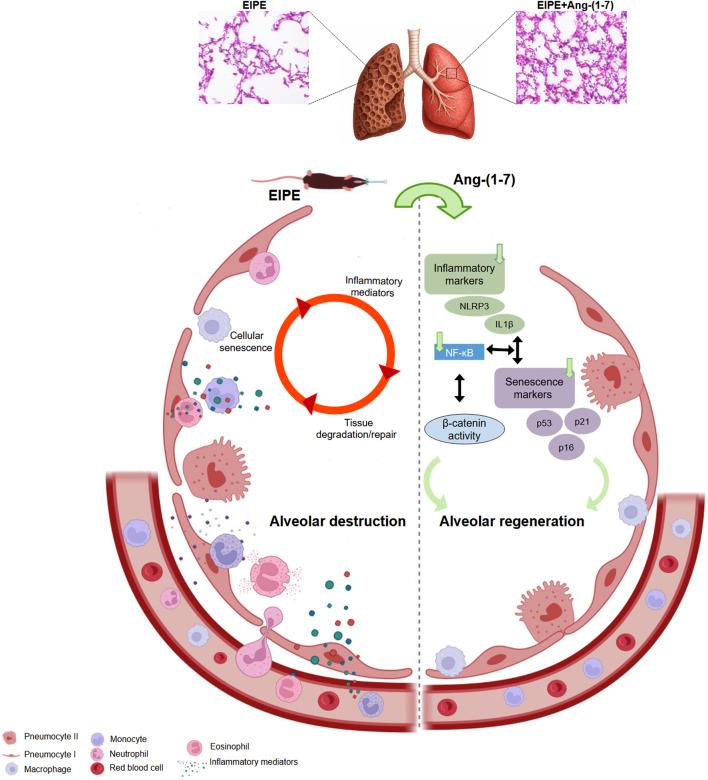
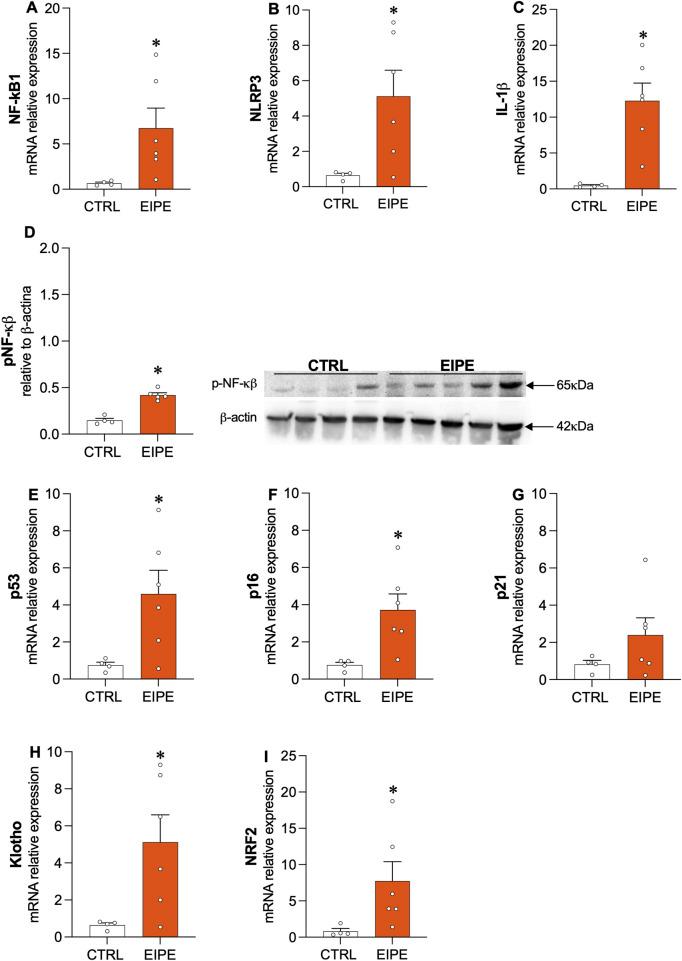
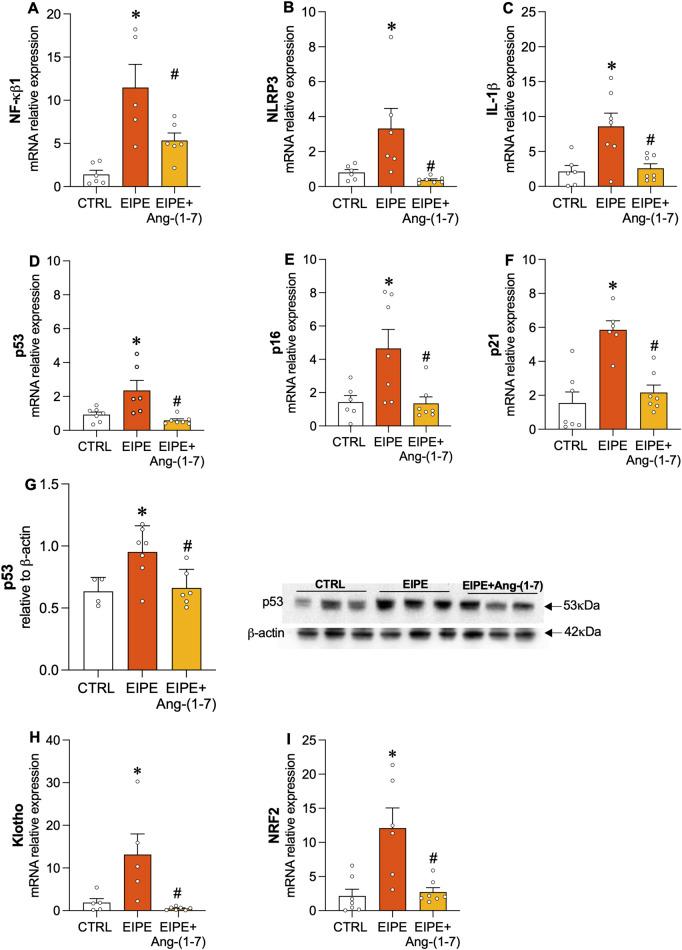
The results showed that elastase exposure led to significant lung damage, including enlarged airspaces, increased collagen deposition and upregulated expression of collagen I/III and MMP9. Markers of inflammation and senescence were significantly elevated in the untreated emphysema group. However, treatment with Ang-(1-7) reversed these changes, reducing collagen deposition, restoring alveolar structure, and suppressing inflammation and senescence. Additionally, Ang-(1-7) modulated key signaling pathways, reactivating the Wnt/β-catenin pathway for tissue regeneration and inhibiting NF-κB activation, critical for inflammation suppression.
CONCLUSION
These findings suggest that Ang-(1-7), when administered after disease establishment, demonstrates potential to reverse structural lung damage and suppress chronic inflammation in experimental models, indicating a promising direction for future translational and clinical research in COPD.
背景
慢性阻塞性肺疾病(COPD)是一种常见的与年龄相关的疾病,是全球主要死因之一。其特征为慢性炎症、细胞衰老和不可逆的肺组织损伤,目前尚无治愈方法。血管紧张素 -(1 - 7)[Ang -(1 - 7)]在临床前模型中已显示出抗炎和再生潜力。本研究旨在探讨口服Ang -(1 - 7)对弹性蛋白酶诱导的肺气肿模型中衰老、炎症和组织再生的治疗作用。
方法
雄性C57BL/6小鼠通过气管内三次注入猪胰弹性蛋白酶(PPE)诱导肺气肿。在最后一次弹性蛋白酶注入后一周,小鼠接受包裹在羟丙基 - β - 环糊精中的Ang -(1 - 7)治疗以提高其生物利用度。每天给药4周。通过组织学评估、基因表达分析和蛋白质印迹法进行蛋白质定量,以评估肺结构、炎症和衰老标志物。
结果
结果表明,弹性蛋白酶暴露导致显著的肺损伤,包括气腔扩大、胶原沉积增加以及I/III型胶原和MMP9表达上调。未治疗的肺气肿组中炎症和衰老标志物显著升高。然而,Ang -(1 - 7)治疗逆转了这些变化,减少了胶原沉积,恢复了肺泡结构,并抑制了炎症和衰老。此外,Ang -(1 - 7)调节关键信号通路,重新激活Wnt/β - 连环蛋白通路以促进组织再生,并抑制NF - κB激活,这对于炎症抑制至关重要。
结论
这些发现表明,在疾病建立后给予Ang -(1 - 7)在实验模型中显示出逆转肺结构损伤和抑制慢性炎症的潜力,为未来COPD的转化和临床研究指明了一个有前景的方向。



 Zotero 插件