
自然杀伤细胞在急性髓系白血病中的潜在治疗作用:一项系统综述研究
Potential therapeutic roles of natural killer cells in acute myeloid leukemia: a systematic review study.
作者信息
Khani-Eshratabadi Mohammad, Motallebzadeh Khanmiri Jamal, Dashti Mohammad Reza, Esmaeili Sina, Moradi Sani Zeinab, Daei Amirreza, Hedayat Hasanabadi Mohaddeseh, Saberi Amarghan Simin, Younesi Moghaddam Nazanin, Baradaran Behzad
机构信息
Kashmar School of Medical Sciences, Mashhad University of Medical Sciences, Mashhad, Iran.
Department of Hematology and Blood Transfusion, School of Allied Medical Sciences, Tehran University of Medical Sciences, Tehran, Iran.
出版信息
Clin Exp Med. 2025 Jul 4;25(1):233. doi: 10.1007/s10238-025-01786-w.
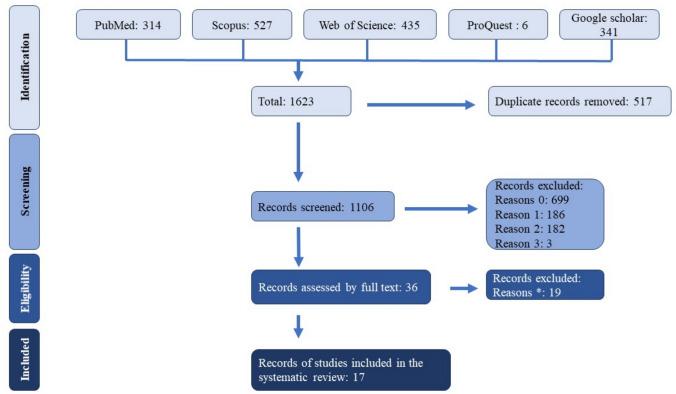
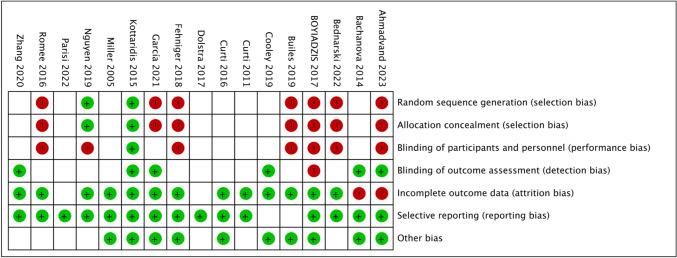
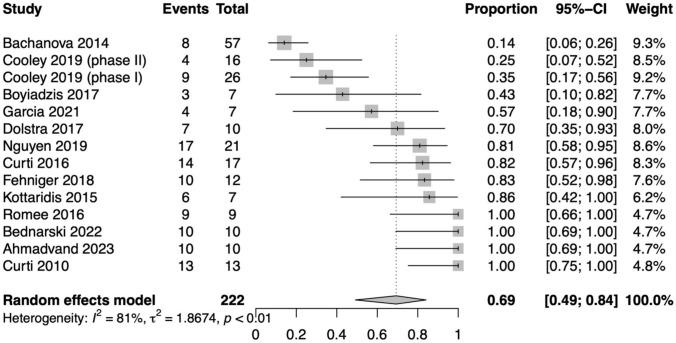
Acute myeloid leukemia (AML) is a blood cancer caused by genetic mutations in hematopoietic precursor cells, leading to abnormal cell production in the bone marrow (BM) and results in complications like anemia, leukopenia, and thrombocytopenia. Treatments, such as chemotherapy and hematopoietic stem cell transplantation carry risks like graft-versus-host disease (GVHD) and infections due to immune suppression. Recently, treatment with natural killer (NK) cells has emerged as a novel approach for treating AML. NK cells can identify and destroy leukemic cells, and methods like NK cell transfer and cytokine activation show promise as effective treatments. This article evaluates the feasibility and safety of NK cell-based therapies for AML patients. This article is a systematic review that registered its protocol in PROSPERO. A strategic search was conducted in the PubMed, Scopus, Google Scholar, and Web of Science databases using the keywords "Natural killer cell, " "Acute myeloid leukemia" and "Immunotherapy". After removing duplicates and applying inclusion/exclusion criteria, 1623 articles were selected. Two reviewers screened titles and abstracts, followed by a full-text review. Disagreements were resolved by a third reviewer, resulting in 17 articles for inclusion. Data were organized in Excel, and study quality was assessed using the Cochrane risk-of-bias tool. Data analysis was performed using R software. Out of 1623 initially identified records, 17 clinical studies comprising 402 AML patients aged between 1 and 82 years were included. Most studies used allogeneic or homologous NK cells, sometimes combined with chemotherapy or interleukin-2. The pooled complete remission (CR) rate was 48.22% (95% CI 31.75-65.09%), with significant heterogeneity (I = 76%). Immune response prevalence across 14 studies was 69.34% (95% CI 49.18-84.09%). Adverse events were generally mild and manageable, with no consistent reports of severe toxicity. Although study quality varied, eight studies demonstrated low risk of bias. Publication bias was detected for CR outcomes, adjusting the CR rate to 36.94% after correction. We conducted a systematic review that demonstrates that NK cell therapy shows promising efficacy and acceptable safety in treating AML patients, with a pooled complete remission rate of 48.22% and encouraging immune response rates. Despite heterogeneity across studies and varying methodological quality, the consistent observation of anti-leukemic effects and manageable adverse events supports the potential role of NK cell therapy as a complementary treatment. Further high-quality, large-scale trials are warranted to validate these findings and optimize clinical protocols.
急性髓系白血病(AML)是一种由造血前体细胞基因突变引起的血癌,导致骨髓(BM)中细胞异常生成,并引发贫血、白细胞减少和血小板减少等并发症。化疗和造血干细胞移植等治疗方法存在移植物抗宿主病(GVHD)和免疫抑制导致感染等风险。最近,自然杀伤(NK)细胞治疗已成为治疗AML的一种新方法。NK细胞可以识别并摧毁白血病细胞,NK细胞转移和细胞因子激活等方法显示出有望成为有效的治疗手段。本文评估了基于NK细胞的疗法对AML患者的可行性和安全性。本文是一项在PROSPERO中注册了方案的系统评价。使用关键词“自然杀伤细胞”、“急性髓系白血病”和“免疫疗法”在PubMed、Scopus、谷歌学术和科学网数据库中进行了策略性检索。在去除重复项并应用纳入/排除标准后,筛选出1623篇文章。两名评审员筛选标题和摘要,随后进行全文评审。分歧由第三名评审员解决,最终纳入17篇文章。数据整理在Excel中,并使用Cochrane偏倚风险工具评估研究质量。使用R软件进行数据分析。在最初识别的1623条记录中,纳入了17项临床研究,共402例年龄在1至82岁之间的AML患者。大多数研究使用异体或同源NK细胞,有时联合化疗或白细胞介素-2。汇总的完全缓解(CR)率为48.22%(95%CI 31.75 - 65.09%),存在显著异质性(I = 76%)。14项研究中的免疫反应发生率为69.34%(95%CI 49.18 - 84.09%)。不良事件一般较轻且可控,没有关于严重毒性的一致报告。尽管研究质量参差不齐,但八项研究显示偏倚风险较低。检测到CR结果存在发表偏倚,校正后CR率调整为36.94%。我们进行的系统评价表明,NK细胞疗法在治疗AML患者方面显示出有前景的疗效和可接受的安全性,汇总完全缓解率为48.22%,免疫反应率令人鼓舞。尽管各研究存在异质性且方法学质量不同,但抗白血病作用的一致观察结果和可控的不良事件支持了NK细胞疗法作为辅助治疗的潜在作用。需要进一步开展高质量、大规模试验来验证这些发现并优化临床方案。




 Zotero 插件