
与孟加拉国农场环境中肺炎克雷伯菌移动遗传元件流行率及抗菌药物耐药模式相关的流行病学因素。
Epidemiological factors associated with the prevalence of mobile genetic elements, and antimicrobial resistance patterns in Klebsiella pneumoniae of farm environments in Bangladesh.
作者信息
Rahman Md Hafizur, Akther Sonia, Ahmed Shihab, Shahadat Md Niamul, Munsi Md Nuruzzaman, Siddique Abu Bakkar
机构信息
Animal Health Research Division, Bangladesh Livestock Research Institute, Savar, Dhaka, 1341, Bangladesh.
AMR Reference Laboratory (Research), Bangladesh Livestock Research Institute, Savar, Dhaka, 1341, Bangladesh.
出版信息
BMC Med Genomics. 2025 Jul 6;18(1):114. doi: 10.1186/s12920-025-02181-w.
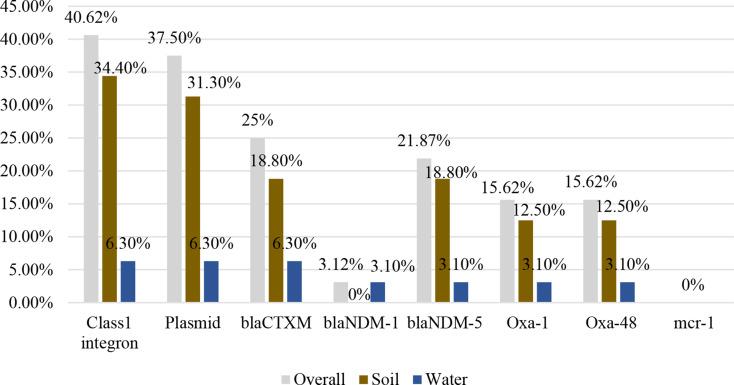
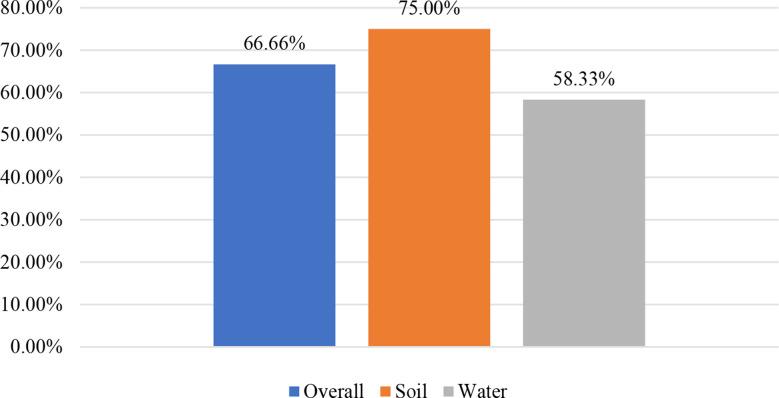
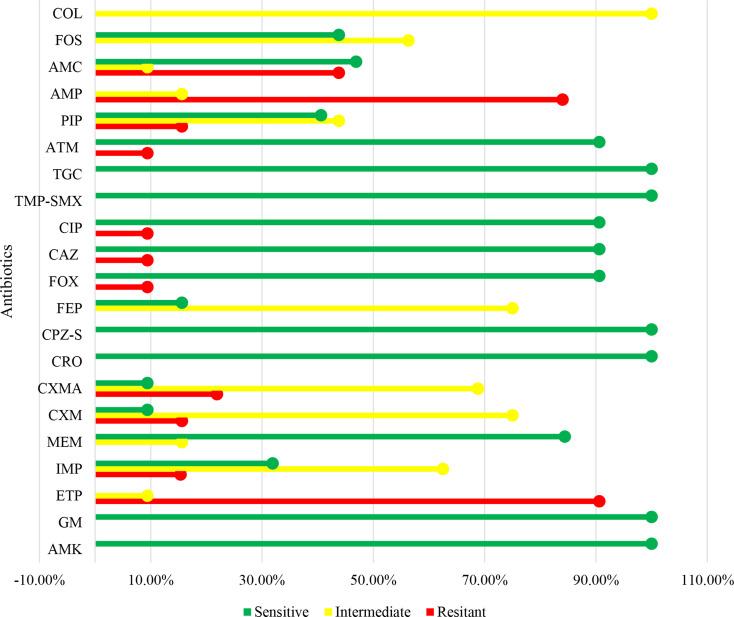
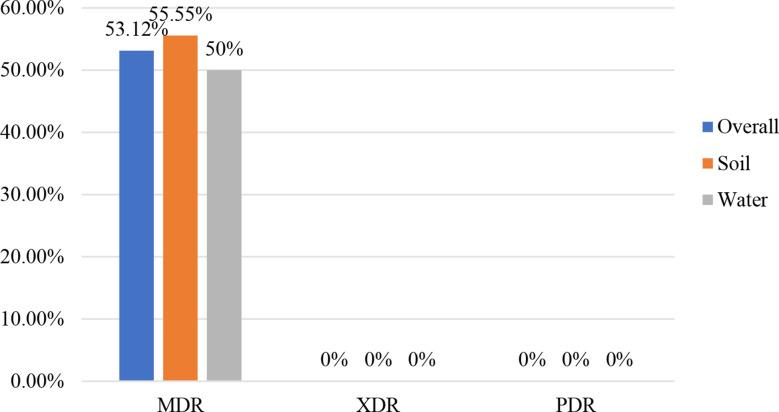
Farm environments serve as reservoirs for antibiotic-resistant bacteria and mobile genetic elements (MGEs), spreading resistance genes. Klebsiella pneumoniae, a nosocomial opportunistic pathogen, often acquires resistance through MGEs. This study examined the prevalence, resistance patterns, and factors associated with MGEs in K. pneumoniae isolates, focusing on environmental and management practices. 48 pooled samples were collected from environmental niches in three major districts of Bangladesh including Dhaka, Barisal, and Sylhet and analyzed using standard microbiological techniques and PCR. Antibiotic susceptibility was assessed per CLSI (2020) guidelines, and multidrug-resistant (MDR) strains were identified. Genotypic resistance patterns and mobile genetic elements (MGEs), including class 1 integrons and plasmids, were detected via PCR. Fisher's exact test evaluated factors associated with MGEs. Overall, 66.66% tested positive for K. pneumoniae. Regarding resistance patterns, the highest resistance was observed to ertapenem (90.6%) and ampicillin (84%), while complete sensitivity was noted to several antibiotics, including amikacin and tigecycline. Among the tested isolates, 53.12% were identified as MDR. Genotypic analysis revealed that bla, blabla and bla were the most prevalent. Additionally, the presence of MGEs including class 1 integron and IncQ type plasmid were significantly associated with factors such as poor sanitation, antibiotic misuse, and high cattle density, highlighting critical areas for intervention. This study revealed that MDR K. pneumoniae circulates in food animals' farm environments in Bangladesh, with environmental factors strongly linked to the presence of MGEs. Farm niches, particularly soil, act as key reservoirs of MGEs and resistance genes. Importantly, these also carry serious implications for human health, as resistance genes may transfer to clinical settings, exacerbating the burden of AMR. Strengthening environmental and agricultural policies through a One Health approach is essential to mitigate the public health threat posed by antimicrobial resistance.
农场环境是抗生素耐药菌和移动遗传元件(MGEs)的储存库,会传播耐药基因。肺炎克雷伯菌是一种医院内机会性病原体,常常通过移动遗传元件获得耐药性。本研究调查了肺炎克雷伯菌分离株中MGEs的流行情况、耐药模式及相关因素,重点关注环境和管理措施。从孟加拉国三个主要地区(达卡、巴里萨尔和锡尔赫特)的环境生态位采集了48份混合样本,采用标准微生物技术和PCR进行分析。根据CLSI(2020)指南评估抗生素敏感性,并鉴定多重耐药(MDR)菌株。通过PCR检测基因型耐药模式和移动遗传元件(MGEs),包括1类整合子和质粒。采用Fisher精确检验评估与MGEs相关的因素。总体而言,66.66%的样本肺炎克雷伯菌检测呈阳性。关于耐药模式,对厄他培南(90.6%)和氨苄西林(84%)的耐药率最高,而对包括阿米卡星和替加环素在内的几种抗生素则表现出完全敏感。在检测的分离株中,53.12%被鉴定为多重耐药。基因型分析显示,bla、blabla和bla最为常见。此外,包括1类整合子和IncQ型质粒在内的MGEs的存在与卫生条件差、抗生素滥用和牛群密度高显著相关,突出了关键干预领域。本研究表明,多重耐药肺炎克雷伯菌在孟加拉国食用动物的农场环境中传播,环境因素与MGEs的存在密切相关。农场生态位,尤其是土壤,是MGEs和耐药基因的主要储存库。重要的是,这些也对人类健康有严重影响,因为耐药基因可能转移到临床环境中,加剧抗菌药物耐药性的负担。通过“同一健康”方法加强环境和农业政策对于减轻抗菌药物耐药性对公众健康的威胁至关重要。

 Zotero 插件