
感觉-脊髓神经元共培养平台可实现对感觉驱动的脊髓激活的分析。
Sensory-spinal neuron co-culture platform enables analysis of sensory-driven spinal activation.
作者信息
Miyahara Yuki, Shimba Kenta, Kotani Kiyoshi, Jimbo Yasuhiko
机构信息
Department of Human and Engineered Environmental Studies, Graduate School of Frontier Sciences, The University of Tokyo, Chiba, Japan.
Department of Precision Engineering, School of Engineering, The University of Tokyo, Tokyo, Japan.
出版信息
Front Neurosci. 2025 Jul 7;19:1619340. doi: 10.3389/fnins.2025.1619340. eCollection 2025.
BACKGROUND
Pain plays a crucial role in selecting behaviors essential for survival. Nociceptive stimuli are converted into neuronal signals by dorsal root ganglion (DRG) neurons and transmitted via the spinal cord to the brain, where pain is perceived. Chronic pain, characterized by prolonged nociceptive signaling, significantly reduces the quality of life. Specifically, nociplastic pain arises due to heightened spinal neuronal activity. However, the mechanisms underlying this persistent increase remain unclear, impeding the development of effective treatments. Therefore, the present study aimed to develop an experimental platform to investigate how sensory neuron signals increase spinal neuronal activity.
METHODS
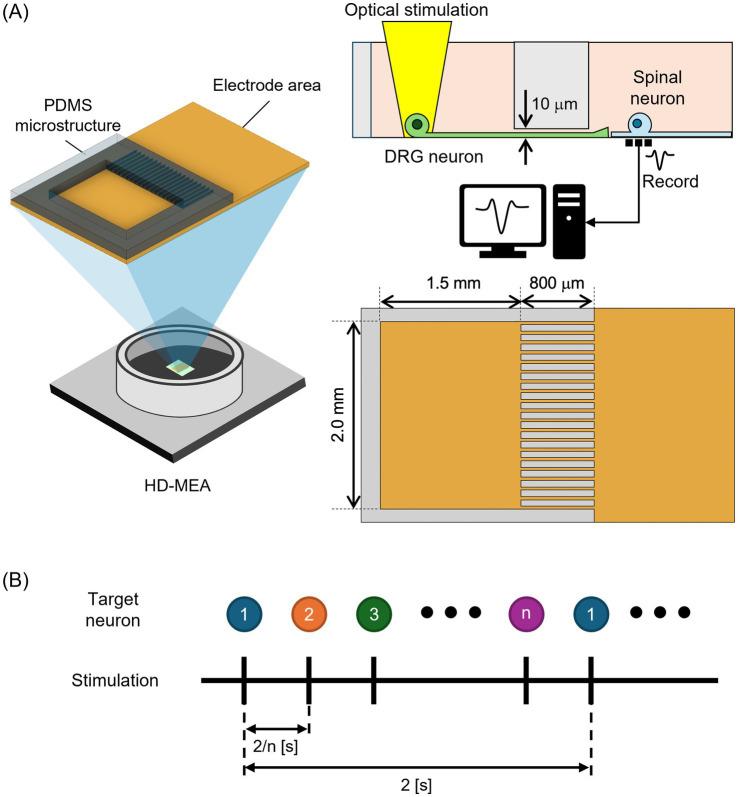
We developed a specialized microstructure enabling a separate culture of DRG and spinal neurons connected functionally by axons extending through microtunnels.
RESULTS
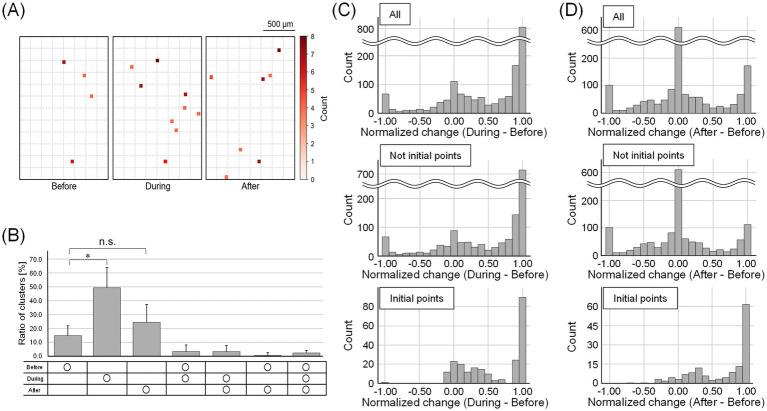
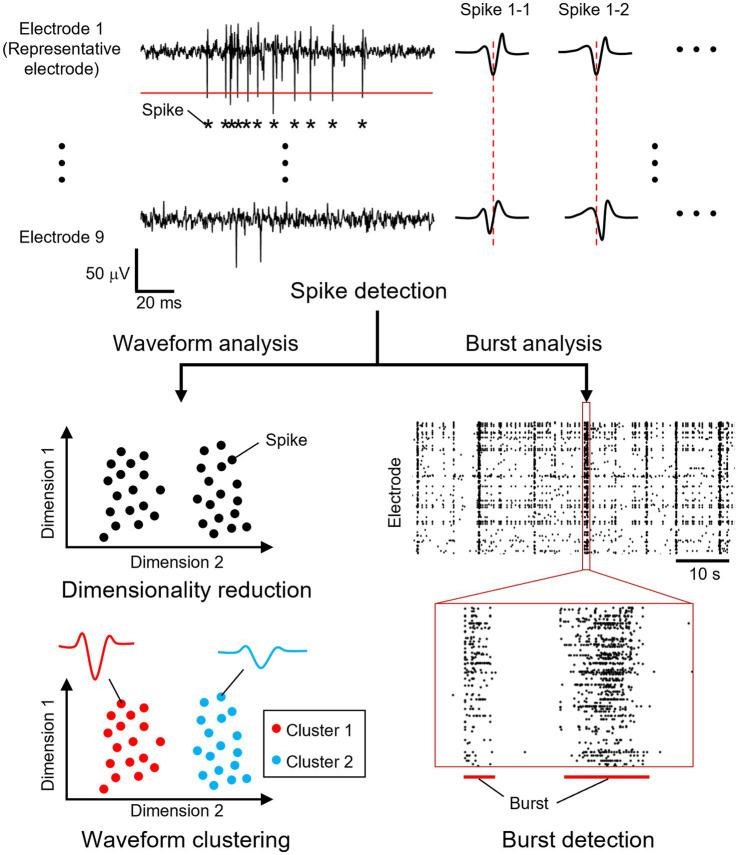
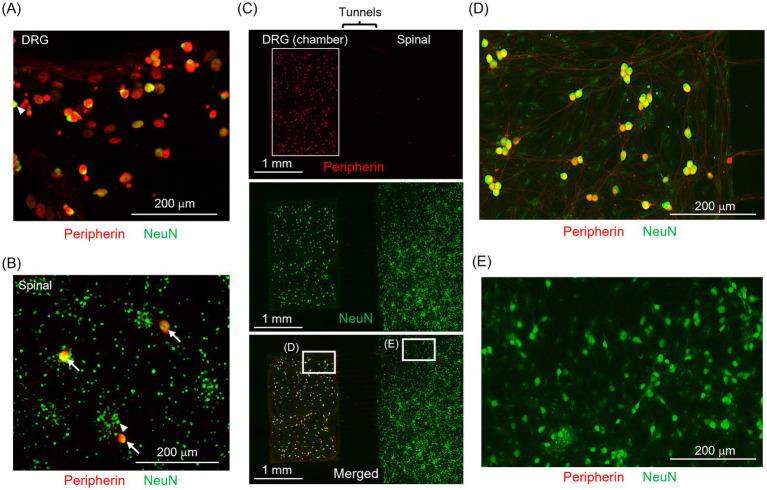
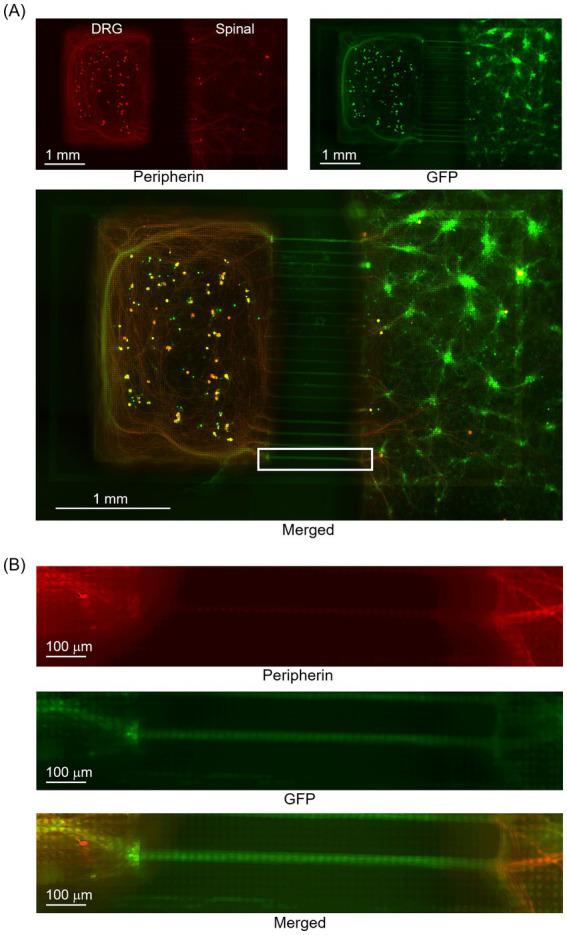
Immunofluorescence staining confirmed precise spatial separation and robust neuronal network formation. Microstructures were integrated with high-density microelectrode arrays to facilitate electrophysiological recordings during co-culture. Optogenetic stimulation of DRG neurons significantly activate the spinal neurons, which are not active spontaneously, and increase synchronous activity by 11.8-fold in the spinal neuronal network. Notably, elevated spinal neuron activity persisted for at least 20 min after stimulation ceased, indicating a prolonged neuronal response.
CONCLUSION
This novel co-culture system provides a powerful tool for elucidating the pathogenic mechanisms underlying chronic pain, potentially guiding future therapeutic strategies.
背景
疼痛在选择生存所必需的行为中起着至关重要的作用。伤害性刺激由背根神经节(DRG)神经元转化为神经信号,并通过脊髓传递至大脑,在大脑中产生痛觉。以伤害性信号延长为特征的慢性疼痛会显著降低生活质量。具体而言,神经可塑性疼痛是由于脊髓神经元活动增强而产生的。然而,这种持续增加背后的机制仍不清楚,这阻碍了有效治疗方法的开发。因此,本研究旨在开发一个实验平台,以研究感觉神经元信号如何增加脊髓神经元活动。
方法
我们开发了一种特殊的微观结构,能够将DRG和脊髓神经元分开培养,这些神经元通过延伸穿过微通道的轴突进行功能连接。
结果
免疫荧光染色证实了精确的空间分离和强大的神经网络形成。微观结构与高密度微电极阵列集成,以便在共培养期间进行电生理记录。对DRG神经元进行光遗传学刺激可显著激活原本不自发活动的脊髓神经元,并使脊髓神经网络中的同步活动增加11.8倍。值得注意的是,刺激停止后,脊髓神经元活动的升高持续了至少20分钟,表明神经元反应持续时间延长。
结论
这种新型共培养系统为阐明慢性疼痛的致病机制提供了一个强大的工具,可能会为未来的治疗策略提供指导。

 Zotero 插件