
网络药理学与体外实验验证揭示荷叶提取物治疗猪炎症性腹泻的抗炎和抗凋亡作用
Network Pharmacology and In Vitro Experimental Validation Reveal the Anti-Inflammatory and Anti-Apoptotic Effects of Lotus Leaf Extract in Treating Inflammatory Diarrhea in Pigs.
作者信息
Zheng Yu, Zheng Jiana, Wang Jiao, Li Junxin, Liu Jiali, Zheng Bohan, Li Qinjin, Huang Xiaohong, Lin Zhaoyan
机构信息
College of Animal Science, Fujian Agriculture and Forestry University, Fuzhou 350002, China.
University Key Laboratory for Integrated Chinese Traditional and Western Veterinary Medicine and Animal Healthcare in Fujian Province/Fujian Key Laboratory of Traditional Chinese Veterinary Medicine and Animal Health, Fujian Agriculture and Forestry University, Fuzhou 350002, China.
出版信息
Curr Issues Mol Biol. 2025 Apr 28;47(5):314. doi: 10.3390/cimb47050314.
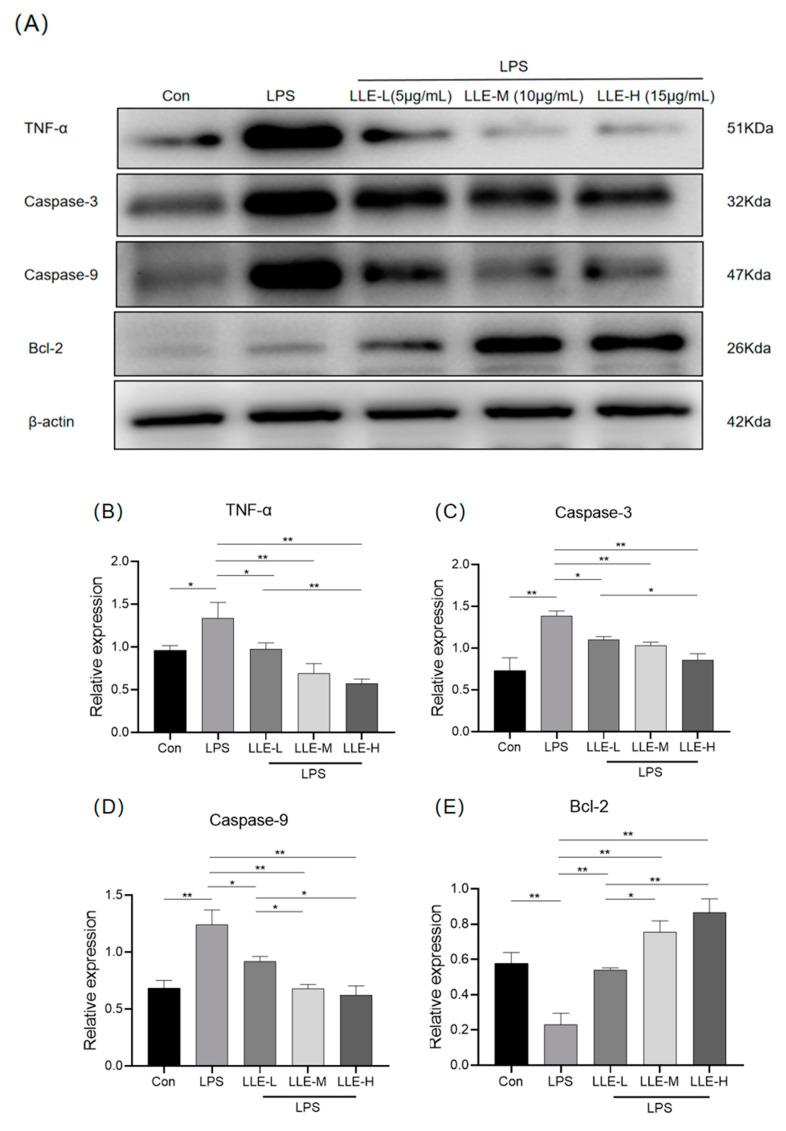
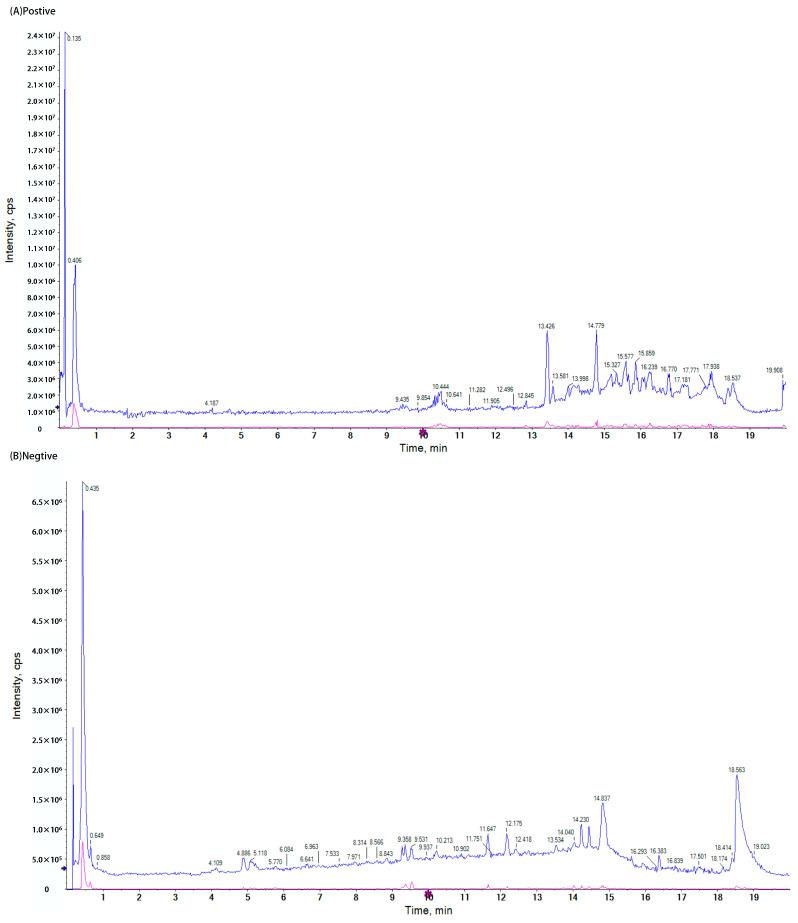
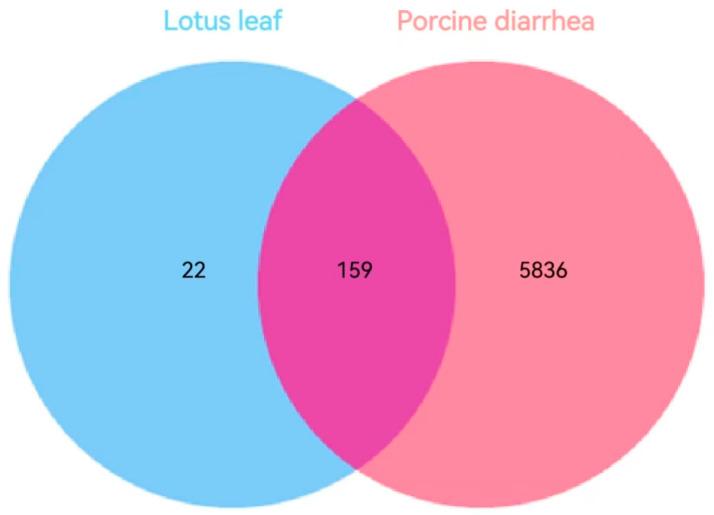
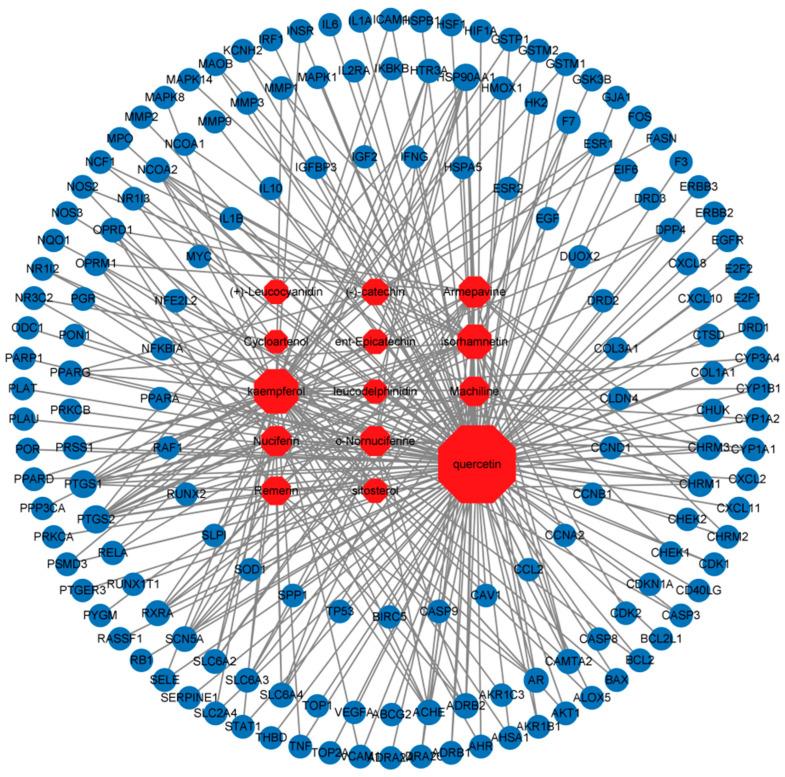
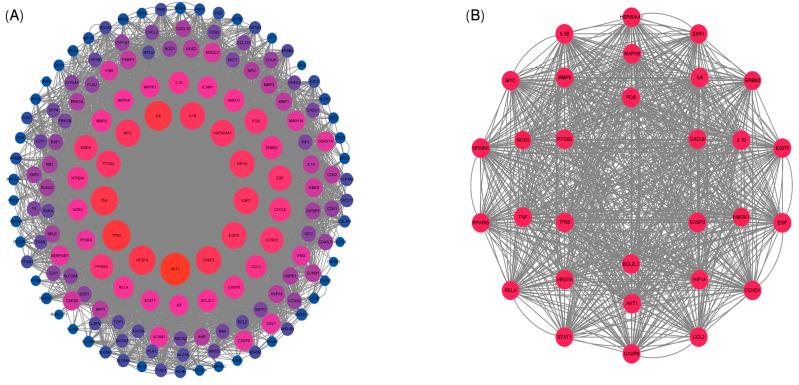
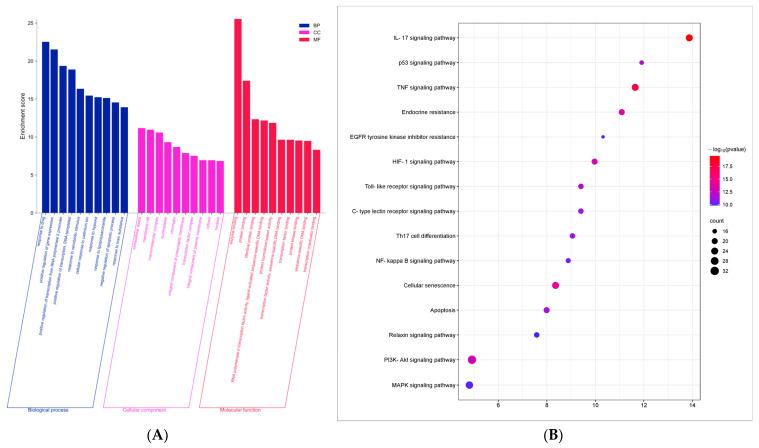
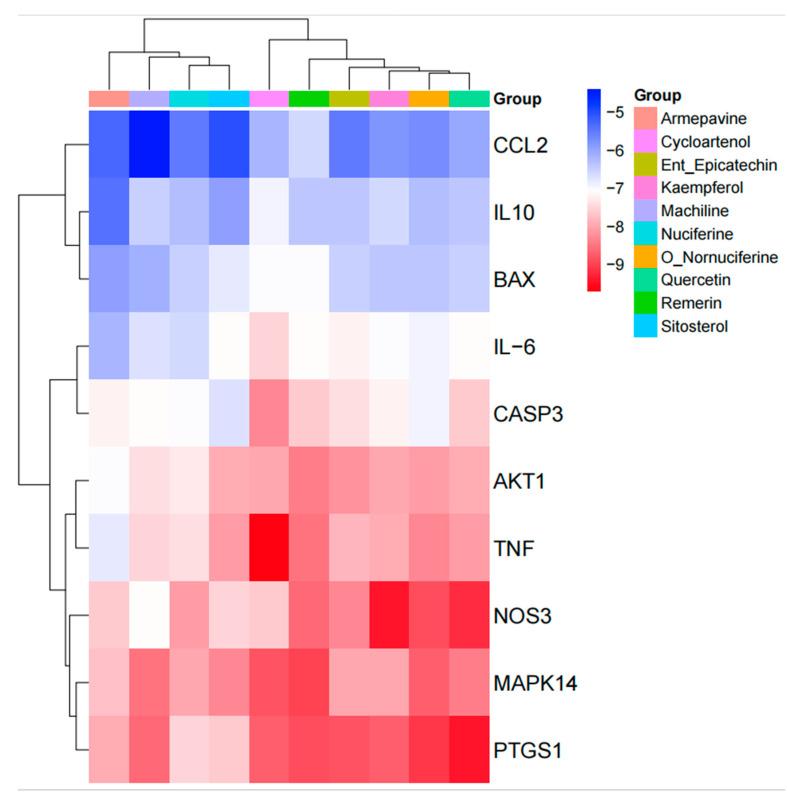
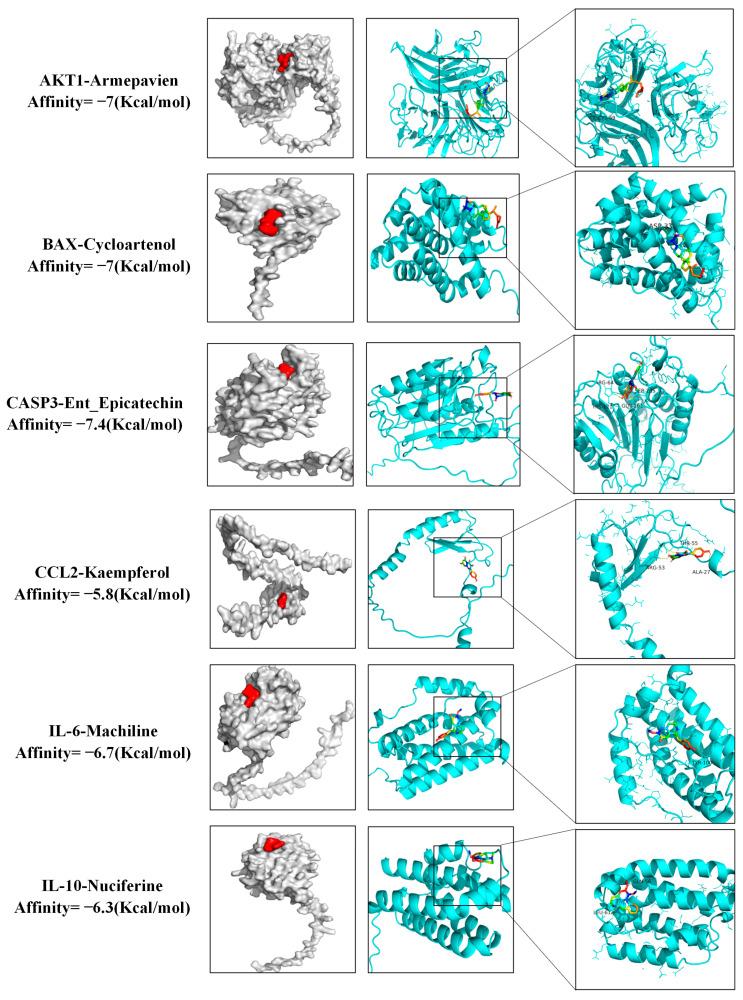
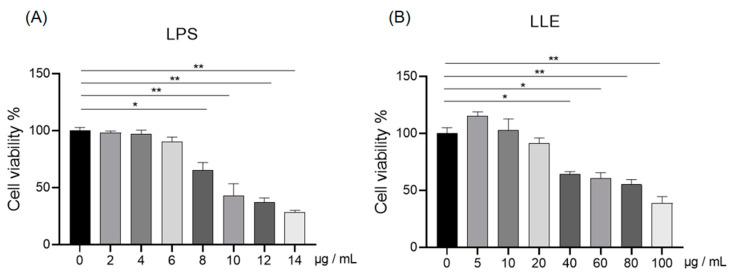
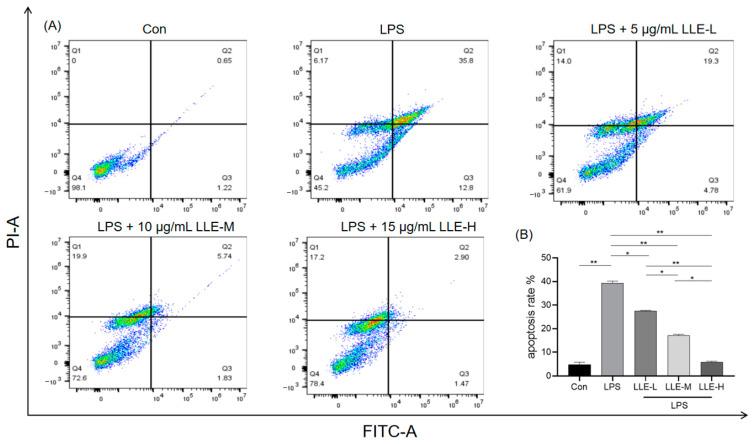
The objective of this research was to investigate the efficacy of lotus leaf in the prevention and treatment of inflammatory diarrhea in pigs, utilizing network pharmacology and in vitro methodologies. Initially, LC-MS was employed to analyze the constituents of lotus leaf extract (LLE); then, the TCMSP database was utilized to identify the active components and their corresponding targets. The GeneCards database was consulted to identify disease-related targets pertinent to inflammatory diarrhea in pigs. A drug ingredient-disease target network was constructed using Cytoscape software. Subsequently, the STRING database facilitated protein interaction analysis, which was also visualized through Cytoscape. Gene Ontology (GO) functional annotation and Kyoto Encyclopedia of Genes and Genomes (KEGG) enrichment analysis were conducted based on the genes shared between disease and LLE targets. Molecular docking of the active ingredients with key targets was performed using Autodock Vina. Subsequently, an in vitro LPS-induced inflammation model was established using IPEC-J2 cells to validate the predictions made through network pharmacology. Verification was conducted via flow cytometry and Western blot analysis. The LC-MS assay and TCMSP retrieval results revealed that Quercetin, Nuciferine, Kaempferol, Leucodelphinidin, and Catechin were identified as the main compounds of LLE, associated with 181 potential targets. A total of 5995 targets were linked to inflammatory diarrhea in pigs, with 159 overlapping targets identified between the bioactive compounds and the disease. Notable key targets included TNF-α, IL-6, caspase-3, TP53, and AKT, which are integral to inflammation and apoptosis processes. GO functional annotation indicated significant enrichment in biological processes such as gene expression regulation and transcription from RNA polymerase II promoters. KEGG pathway analysis highlighted critical pathways, including TNF signaling and apoptosis. Furthermore, molecular docking analyses demonstrated that the bioactive components of lotus leaf exhibited a strong binding affinity for essential targets, including AKT1, BAX, caspase-3, CCL2, IL-6, IL-10, MPK14, NOS3, PTGS1, and TNF-α. In vitro experiments confirmed that LLE significantly inhibited LPS-induced apoptosis in IPEC-J2 cells and suppressed the activation of the TNF-α-mediated apoptosis pathway. This study offers novel insights into the therapeutic potential of Chinese medicine and its constituents in addressing inflammatory diarrhea in pigs.
本研究的目的是利用网络药理学和体外方法,研究荷叶在预防和治疗猪炎症性腹泻方面的功效。首先,采用液相色谱-质谱联用(LC-MS)分析荷叶提取物(LLE)的成分;然后,利用中药系统药理学数据库与分析平台(TCMSP)数据库鉴定活性成分及其相应靶点。查询基因卡片(GeneCards)数据库以鉴定与猪炎症性腹泻相关的疾病靶点。使用Cytoscape软件构建药物成分-疾病靶点网络。随后,利用STRING数据库进行蛋白质相互作用分析,并同样通过Cytoscape进行可视化。基于疾病和LLE靶点之间共享的基因进行基因本体论(GO)功能注释和京都基因与基因组百科全书(KEGG)富集分析。使用Autodock Vina对活性成分与关键靶点进行分子对接。随后,利用IPEC-J2细胞建立体外脂多糖(LPS)诱导的炎症模型,以验证通过网络药理学做出的预测。通过流式细胞术和蛋白质免疫印迹分析进行验证。LC-MS测定和TCMSP检索结果显示,槲皮素、荷叶碱、山奈酚、无色飞燕草素和儿茶素被鉴定为LLE的主要化合物,与181个潜在靶点相关。共有5995个靶点与猪炎症性腹泻相关,在生物活性化合物和疾病之间鉴定出159个重叠靶点。值得注意的关键靶点包括肿瘤坏死因子-α(TNF-α)、白细胞介素-6(IL-6)、半胱天冬酶-3(caspase-3)、TP53和蛋白激酶B(AKT),它们是炎症和凋亡过程所必需的。GO功能注释表明在基因表达调控和RNA聚合酶II启动子转录等生物过程中显著富集。KEGG通路分析突出了关键通路,包括TNF信号通路和凋亡通路。此外,分子对接分析表明,荷叶的生物活性成分对包括AKT1、Bax、caspase-3、趋化因子配体2(CCL2)、IL-6、白细胞介素-10(IL-10)、促分裂原活化蛋白激酶14(MPK14)、一氧化氮合酶3(NOS3)、前列腺素内过氧化物合酶1(PTGS1)和TNF-α在内的关键靶点具有很强的结合亲和力。体外实验证实,LLE显著抑制LPS诱导的IPEC-J2细胞凋亡,并抑制TNF-α介导的凋亡途径的激活。本研究为中药及其成分在治疗猪炎症性腹泻方面的治疗潜力提供了新的见解。
 Zotero 插件