
肝脏线粒体中的氨基酸代谢:从稳态到疾病
Amino Acid Metabolism in Liver Mitochondria: From Homeostasis to Disease.
作者信息
Erdal Ranya, Birsoy Kıvanç, Unlu Gokhan
机构信息
Laboratory of Metabolic Regulation and Genetics, The Rockefeller University, New York, NY 10065, USA.
Medical Scientist Training Program, Hacettepe University Faculty of Medicine, Ankara 06230, Turkey.
出版信息
Metabolites. 2025 Jul 2;15(7):446. doi: 10.3390/metabo15070446.
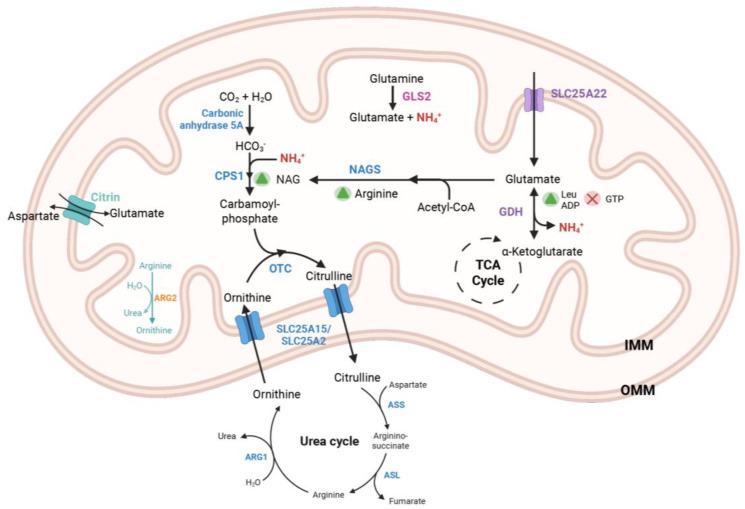
Hepatic mitochondria play critical roles in sustaining systemic nutrient balance, nitrogen detoxification, and cellular bioenergetics. These functions depend on tightly regulated mitochondrial processes, including amino acid catabolism, ammonia clearance via the urea cycle, and transport through specialized solute carriers. Genetic disruptions in these pathways underlie a range of inborn errors of metabolism, often resulting in systemic toxicity and neurological dysfunction. Here, we review the physiological functions of hepatic mitochondrial amino acid metabolism, with a focus on subcellular compartmentalization, disease mechanisms, and therapeutic strategies. We discuss how emerging genetic and metabolic interventions-including dietary modulation, cofactor replacement, and gene therapy-are reshaping treatment of liver-based metabolic disorders. Understanding these pathways offers mechanistic insights into metabolic homeostasis and reveals actionable vulnerabilities in metabolic disease and cancer.
肝脏线粒体在维持全身营养平衡、氮解毒和细胞生物能量学方面发挥着关键作用。这些功能依赖于严格调控的线粒体过程,包括氨基酸分解代谢、通过尿素循环清除氨以及通过特殊溶质载体进行转运。这些途径中的基因破坏是一系列先天性代谢缺陷的基础,常常导致全身毒性和神经功能障碍。在此,我们综述肝脏线粒体氨基酸代谢的生理功能,重点关注亚细胞区室化、疾病机制和治疗策略。我们讨论新兴的遗传和代谢干预措施——包括饮食调节、辅因子替代和基因治疗——如何重塑基于肝脏的代谢紊乱的治疗方法。了解这些途径可为代谢稳态提供机制性见解,并揭示代谢性疾病和癌症中可采取行动的薄弱环节。

 Zotero 插件