
强直性脊柱炎领域的突破:创新细胞疗法如何重塑免疫、推动前沿进展并应对未来挑战。
Breaking boundaries in ankylosing spondylitis: how innovative cell therapies reshape immunity, drive cutting-edge advances, and face future challenges.
作者信息
Ke Minxia, Liu Wenli, Lu Huimin, Pan Xiafei, Wu Mengyang, Qi Nianmin, Wang Zhiqiang, Wu Yuehong, Zhang Feng
机构信息
Department of Biochemistry and Molecular Biology, College of Life Science and Medicine, Zhejiang Sci-Tech University, Hangzhou, Zhejiang, China.
Department of Early Research, Asia Cell & Gene Therapeutics Co., Limited, Zhejiang, China.
出版信息
Front Immunol. 2025 Jul 11;16:1613502. doi: 10.3389/fimmu.2025.1613502. eCollection 2025.
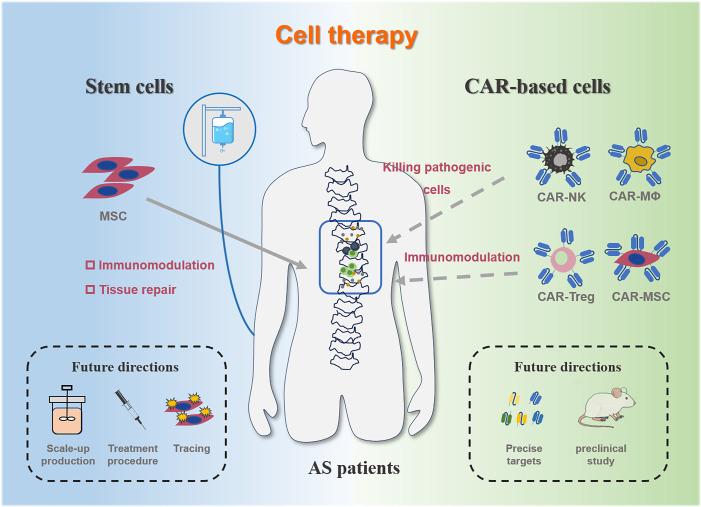
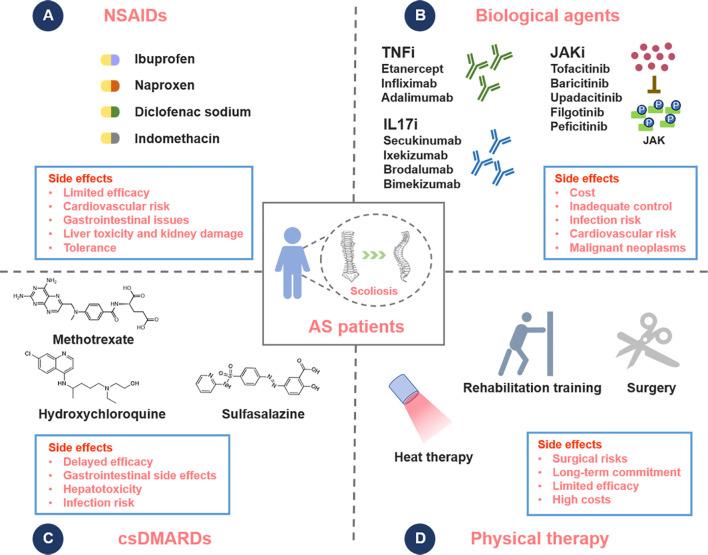
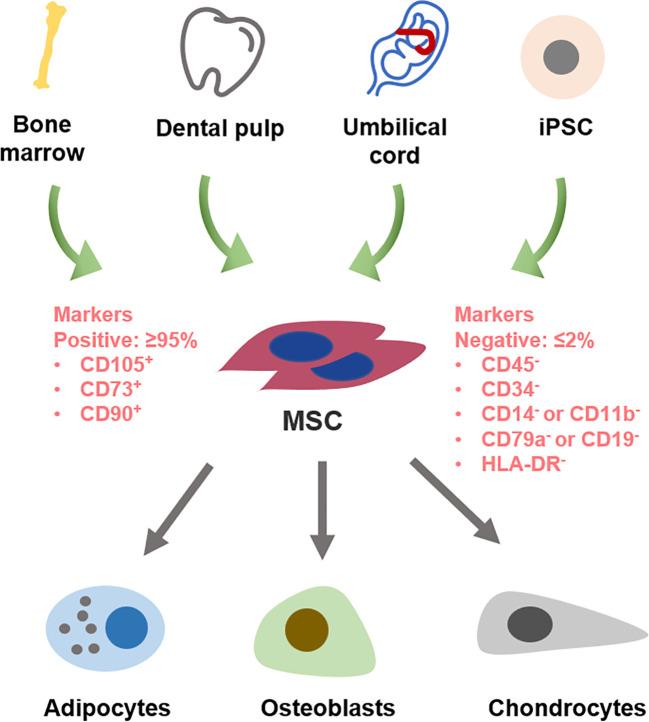
Ankylosing spondylitis (AS) is a chronic autoimmune inflammatory disease primarily affecting the axial skeleton, characterized by joint erosion and ankylosis. AS significantly impacts quality of life, work capacity and mental health through chronic pain, stiffness and functional decline. Its pathogenesis is multifactorial, involving genetic predispositions, immunological dysregulation and environmental triggers. Current treatments, including nonsteroidal anti-inflammatory drugs and immunosuppressive agents, offer limited symptomatic relief and fail to improve long-term prognosis due to efficacy limitations and side effects. Recent advances in cell therapy, particularly mesenchymal stem cells (MSCs) and chimeric antigen receptor (CAR) T-cell therapy, demonstrate promise in addressing these limitations by providing immunomodulatory, anti-inflammatory and regenerative benefits. This review summarizes the pathogenesis of AS, the limitations of existing treatments and the clinical progress of MSC therapy, while exploring the potential of emerging CAR-based therapies.
强直性脊柱炎(AS)是一种主要影响中轴骨骼的慢性自身免疫性炎症性疾病,其特征为关节侵蚀和强直。AS通过慢性疼痛、僵硬和功能衰退,对生活质量、工作能力和心理健康产生重大影响。其发病机制是多因素的,涉及遗传易感性、免疫失调和环境触发因素。目前的治疗方法,包括非甾体抗炎药和免疫抑制剂,由于疗效有限和副作用,只能提供有限的症状缓解,无法改善长期预后。细胞治疗的最新进展,特别是间充质干细胞(MSC)和嵌合抗原受体(CAR)T细胞治疗,通过提供免疫调节、抗炎和再生益处,有望解决这些局限性。本综述总结了AS的发病机制、现有治疗方法的局限性以及MSC治疗的临床进展,同时探讨了新兴的基于CAR疗法的潜力。


 Zotero 插件