
人类遗传学为心血管疾病药物研发提供信息:以白细胞介素-6信号传导为例的研究
Human Genetics Informing Drug Development in Cardiovascular Disease: Interleukin-6 Signaling as a Case Study.
作者信息
deGoma Emil, Walsh John, Georgakis Marios K
机构信息
Tourmaline Bio, Inc, New York, NY (E.G., J.W.).
Institute for Stroke and Dementia Research (ISD), Ludwig Maximilian University Hospital, Ludwig Maximilian University Munich, Germany (M.K.G.).
出版信息
Circ Genom Precis Med. 2025 Aug;18(4):e005103. doi: 10.1161/CIRCGEN.125.005103. Epub 2025 Jul 28.
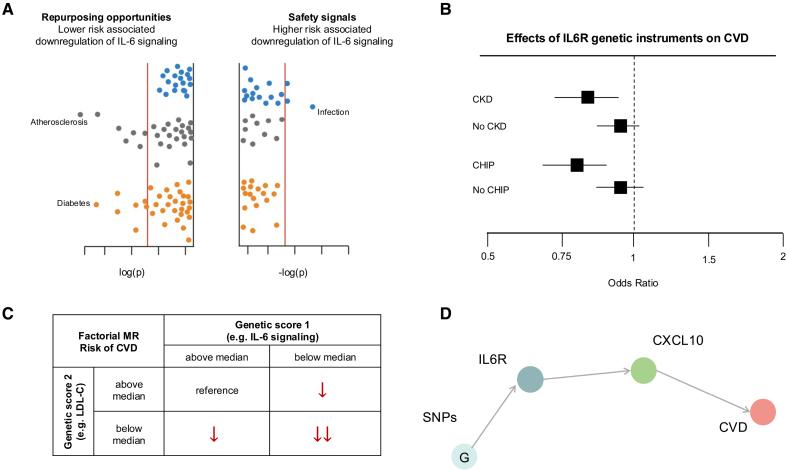
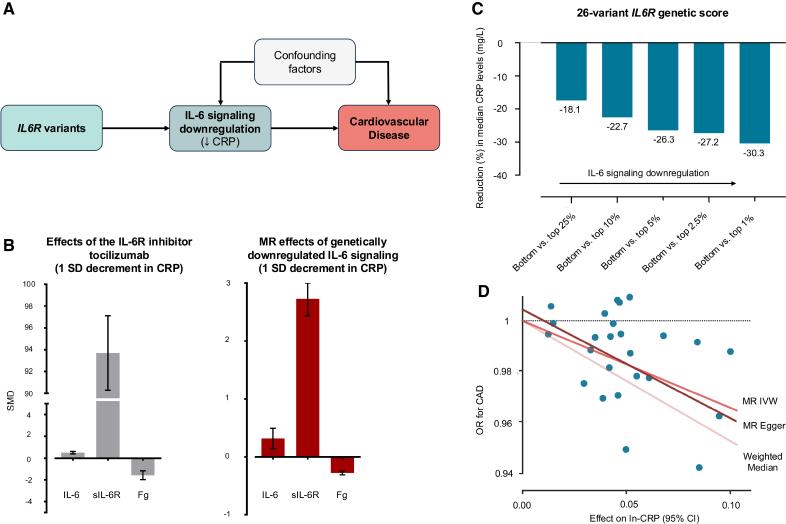
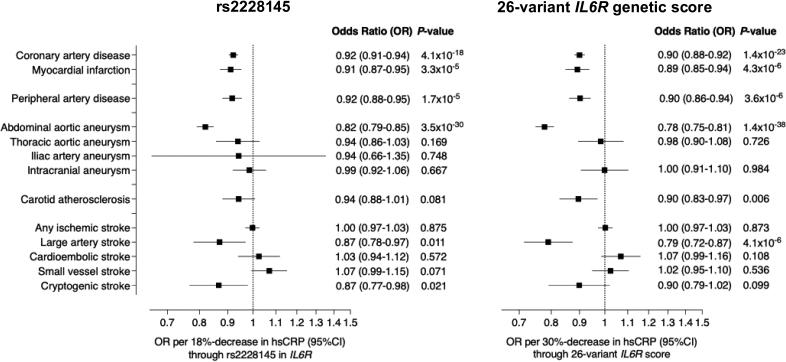
Cardiovascular disease remains the leading cause of death worldwide, calling for the development of novel therapeutics. Over the past 3 decades, substantial investments in human genetic research have unveiled the genetic architecture of cardiovascular disease, offering promising novel therapeutic targets. These discoveries have been instrumental in the development of several cardiovascular drug development programs, such as those targeting proprotein convertase subtilisin/kexin type 9, lipoprotein (a), apo C, and angiopoietin-like 3. Large-scale resources such as population-based biobanks and data repositories, now enable human genetic data to be leveraged at scale and inform not only target selection, but also clinical drug development. This review highlights the transformative potential of human genetics in cardiovascular drug development, focusing on IL (interleukin)-6 signaling as a case study. Specifically, we discuss how IL-6 signaling was pinpointed as a key causal mediator of atherosclerosis by genetic data, shaping the current development landscape for anti-IL-6 therapeutics in cardiovascular disease. Recent genetic studies employing innovative methodologies have provided key insights into prioritizing indications for clinical testing, informing repurposing strategies, optimizing clinical trial design for population selection, and assessing safety signals. Despite this progress, methodological challenges, such as pleiotropic effects of genetic variants, extrapolation of small genetic associations to large interventional effects, and the predominance of European-derived data, highlight the need for careful interpretation. Continued methodological advances, coupled with the emergence of high-throughput omics data and detailed cardiovascular phenotyping, promise unprecedented opportunities to refine drug discovery and development.
心血管疾病仍然是全球主要的死亡原因,这就需要开发新的治疗方法。在过去30年里,对人类基因研究的大量投入揭示了心血管疾病的遗传结构,提供了有前景的新治疗靶点。这些发现对多个心血管药物研发项目的开展起到了推动作用,比如那些针对前蛋白转化酶枯草溶菌素/kexin 9型、脂蛋白(a)、载脂蛋白C和血管生成素样3的项目。基于人群的生物样本库和数据存储库等大规模资源,现在能够让人类基因数据得到大规模利用,不仅为靶点选择提供信息,还能为临床药物研发提供参考。本综述重点介绍了人类遗传学在心血管药物研发中的变革潜力,并以白细胞介素(IL)-6信号通路作为案例进行研究。具体而言,我们将讨论IL-6信号通路如何通过基因数据被确定为动脉粥样硬化的关键因果介质,从而塑造了目前心血管疾病中抗IL-6疗法的研发格局。最近采用创新方法的基因研究为确定临床试验的适应症优先级、为药物重新利用策略提供信息、优化针对人群选择的临床试验设计以及评估安全信号提供了关键见解。尽管取得了这些进展,但诸如基因变异的多效性影响、将小基因关联外推至大的干预效果以及欧洲来源数据占主导地位等方法学挑战,凸显了谨慎解读的必要性。持续的方法学进步,再加上高通量组学数据的出现和详细的心血管表型分析,有望为优化药物发现和开发带来前所未有的机遇。


 Zotero 插件