
多态性与肌肉骨骼特征相关,并在汉族北方成年人中按性别和运动方式对运动反应产生不同调节作用。
Polymorphisms Associate with Musculoskeletal Traits and Modulate Exercise Response Differentially by Sex and Modality in Northern Han Chinese Adults.
作者信息
Cao Wei, Gu Zhuangzhuang, Fu Ronghua, Chen Yiru, He Yong, Yang Rui, Yang Xiaolin, He Zihong
机构信息
Comprehensive Experimental Center, China Institute of Sport Science, Beijing 100061, China.
School of Kinesiology, Shanghai University of Sport, Shanghai 200438, China.
出版信息
Genes (Basel). 2025 Jul 10;16(7):810. doi: 10.3390/genes16070810.
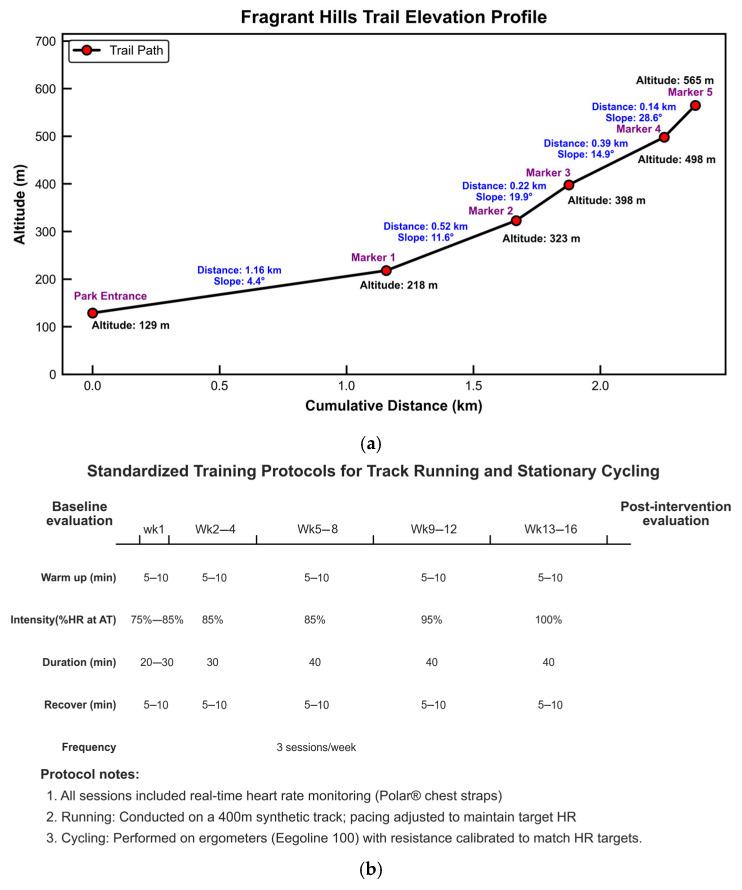
: To investigate associations between Follistatin () gene polymorphisms (SNPs) and baseline musculoskeletal traits, and their interactions with 16-week exercise interventions. : A cohort of 470 untrained Northern Han Chinese adults (208 males, 262 females), sourced from the "Research on Key Technologies for an Exercise and Fitness Expert Guidance System" project, was analyzed. These participants were previously randomly assigned to one of four exercise groups (Hill, Running, Cycling, Combined) or a non-exercising Control group, and completed their respective 16-week protocols. Body composition, bone mineral content (BMC), bone mineral density (BMD), and serum follistatin levels were all assessed pre- and post-intervention. Dual-energy X-ray absorptiometry (DXA) was utilized for the body composition, BMC, and BMD measurements. SNPs (rs3797296, rs3797297) were genotyped using matrix assisted laser desorption/ionization time-of-flight mass spectrometer (MALDI-TOF MS) or microarrays. To elucidate the biological mechanisms, we performed in silico functional analyses for rs3797296 and rs3797297. : Baseline: In females only, the rs3797297 T allele was associated with higher muscle mass (β = 1.159, 95% confidence interval (CI): 0.202-2.116, = 0.034) and BMC (β = 0.127, 95% CI: 0.039-0.215, = 0.009), with the BMC effect significantly mediated by muscle mass. Exercise Response: Interventions improved body composition, particularly in females. Gene-Exercise Interaction: A significant interaction occurred exclusively in women undertaking hill climbing: the rs3797296 G allele was associated with attenuated muscle mass gains (β = -1.126 kg, 95% CI: -1.767 to -0.485, = 0.034). Baseline follistatin correlated with body composition (stronger in males) and increased post-exercise (primarily in males, Hill/Running groups) but did not mediate SNP effects on exercise adaptation. Functional annotation revealed that rs3797297 is a likely causal variant, acting as a skeletal muscle eQTL for the mitochondrial gene , suggesting a mechanism involving muscle bioenergetics. : Findings indicate that polymorphisms associate with musculoskeletal traits in Northern Han Chinese. Mechanistic insights from functional annotation reveal potential pathways for these associations, highlighting the potential utility of these genetic markers for optimizing training program design.
目的
研究卵泡抑素(Follistatin)基因多态性(单核苷酸多态性,SNPs)与基线肌肉骨骼特征之间的关联,以及它们与16周运动干预的相互作用。
方法
对来自“运动健身专家指导系统关键技术研究”项目的470名未经训练的中国北方汉族成年人(208名男性,262名女性)进行队列分析。这些参与者先前被随机分配到四个运动组(爬坡、跑步、骑行、综合运动)或一个非运动对照组,并完成各自为期16周的方案。在干预前后均评估身体成分、骨矿物质含量(BMC)、骨矿物质密度(BMD)和血清卵泡抑素水平。采用双能X线吸收法(DXA)测量身体成分、BMC和BMD。使用基质辅助激光解吸/电离飞行时间质谱仪(MALDI-TOF MS)或微阵列对SNPs(rs3797296、rs3797297)进行基因分型。为阐明生物学机制,我们对rs3797296和rs3797297进行了计算机功能分析。
结果
基线:仅在女性中,rs3797297的T等位基因与更高的肌肉量(β = 1.159,95%置信区间(CI):0.202 - 2.116,P = 0.034)和BMC(β = 0.127,95%CI:0.039 - 0.215,P = 0.009)相关,BMC的效应由肌肉量显著介导。运动反应:干预改善了身体成分,尤其是在女性中。基因 - 运动相互作用:仅在进行爬山运动的女性中发生了显著相互作用:rs3797296的G等位基因与肌肉量增加减弱相关(β = -1.126 kg,95%CI:-1.767至-0.485,P = 0.034)。基线卵泡抑素与身体成分相关(在男性中更强),且运动后增加(主要在男性、爬坡/跑步组),但未介导SNP对运动适应性的影响。功能注释显示rs3797297可能是一个因果变异体,作为线粒体基因的骨骼肌表达定量性状位点(eQTL),提示一种涉及肌肉生物能量学的机制。
结论
研究结果表明,Follistatin基因多态性与中国北方汉族人的肌肉骨骼特征相关。功能注释的机制见解揭示了这些关联的潜在途径,突出了这些遗传标记在优化训练计划设计方面的潜在效用。


 Zotero 插件