
在胃上皮细胞体外模型中对酮洛芬、赖氨酸和加巴喷丁共晶体给药的胃耐受性评估:蛋白质组学新进展
Evaluation of the gastrotolerability of ketoprofen, lysine, and gabapentin co-crystal administration in an in vitro model of gastric epithelium: a proteomic update.
作者信息
D'Egidio Francesco, Brandolini Laura, Castelli Vanessa, Quintiliani Massimiliano, Aramini Andrea, Cimini Annamaria, Allegretti Marcello, d'Angelo Michele
机构信息
Department of Life, Health and Environmental Sciences, University of L'Aquila, L'Aquila, Italy.
Dompé Farmaceutici Spa, L'Aquila, Italy.
出版信息
PLoS One. 2025 Jul 29;20(7):e0328496. doi: 10.1371/journal.pone.0328496. eCollection 2025.
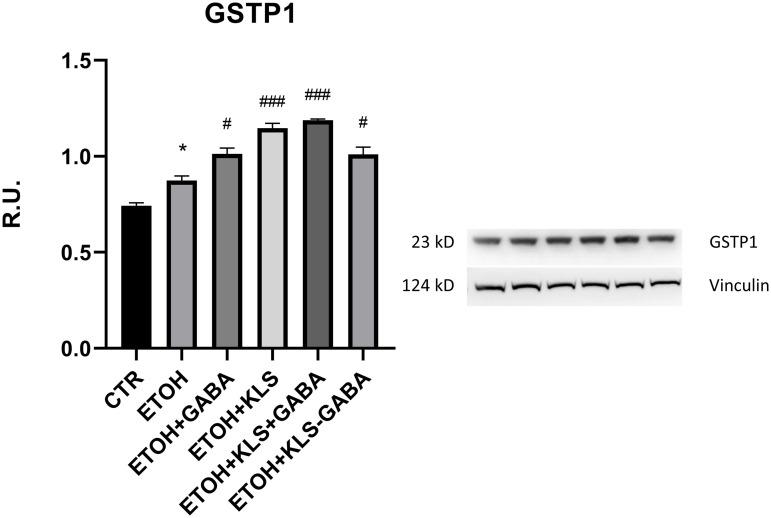
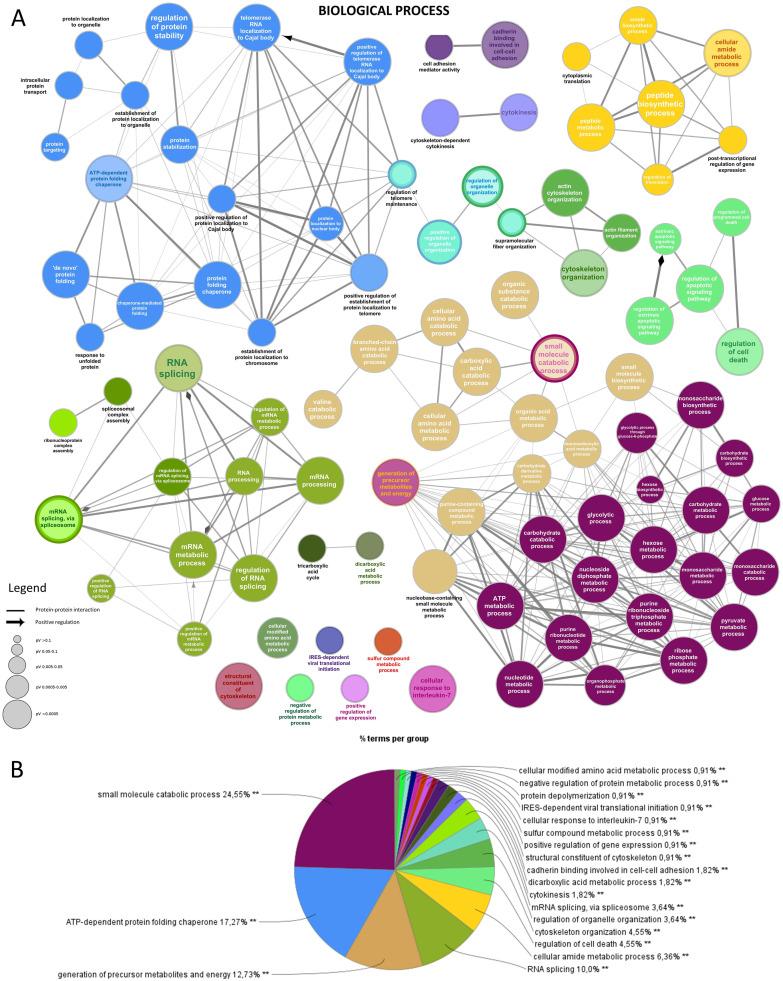
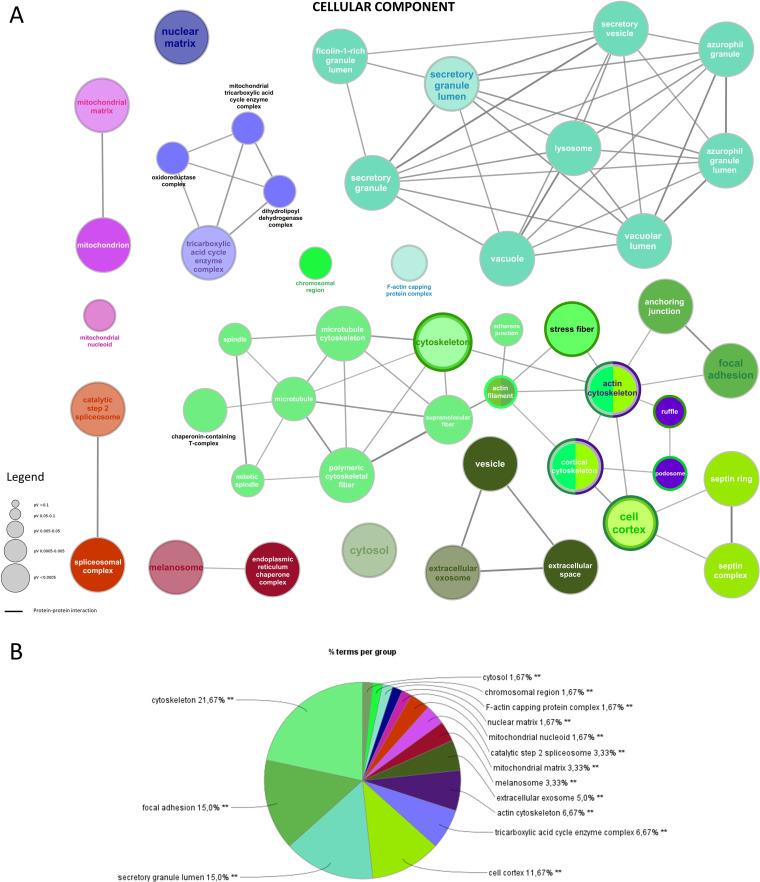
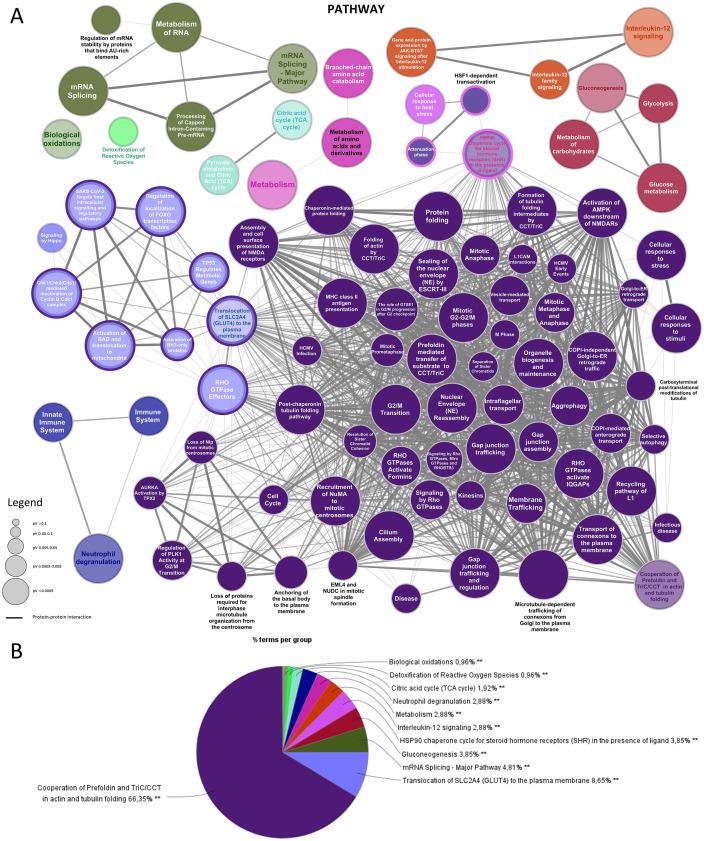
Chronic pain is a distressful condition that impacts strongly on people's health, and, to date, no cure has been found. However, several strategies against pain have been proposed. Promising data regarding the usage of nonsteroidal anti-inflammatory drugs (NSAIDs) in combination with gabapentin in pain management laid the foundations for more complex approaches. A recently published study proposed a multimodal approach based on ketoprofen lysine salt (KLS) combined with gabapentin (GABA) in the context of chronic pain. Experiments on in vitro models showed supra-additive effects in modulating key pathways involved in neuropathic pain and gastric mucosal damage. Thus, the co-crystallization of ketoprofen, lysine, and gabapentin led to a new ternary drug-drug co-crystal (KLS-GABA co-crystal) to better take advantage of such effects. The new compound showed positive features in in vitro and in vivo pain models, particularly at the gastrointestinal level. To better understand the gastric impact of the co-crystal we chose to analyze proteomic fluctuations that occur in an in vitro model of gastric epithelium upon ethanol injury, aiming to observe the gastric effects of KLS-GABA co-crystal's administration in comparison with KLS or GABA alone or co-administered as in the multimodal approach. Thus, we performed a 2-dimensional gel electrophoresis (2DE) to compare proteomes from lysates of NCI-N87 cells, chosen as model of gastric epithelium. Among all the localized spots (n = 117), the differentially abundant ones have been filtered and excised (n = 24) to perform mass spectrometry. A total of 414 non-redundant proteins have been found in the excised spots analyzed. A Gene Ontology-based enrichment analysis identified the proteins involved in biological processes, cellular components, and pathways. We then compared the 2DE findings with the western blot analysis confirming the differential proteomic fluctuations in the model. The methodology described here provides a broader picture of the effects of KLS, GABA, and KLS-GABA co-crystal administration in the ethanol-gastric injury model, identifying processes not revealed by other studies by showing proteomic changes and related mechanisms in detail, particularly via modulation of the oxidative stress-related GSTP1 which suggests the higher gastric tolerability of KLS-GABA co-crystal in the analyzed model highlighting its clinical reliability.
慢性疼痛是一种令人痛苦的病症,对人们的健康有严重影响,迄今为止尚未找到治愈方法。然而,已经提出了几种对抗疼痛的策略。关于非甾体抗炎药(NSAIDs)与加巴喷丁联合用于疼痛管理的有前景的数据为更复杂的方法奠定了基础。最近发表的一项研究提出了一种基于酮洛芬赖氨酸盐(KLS)与加巴喷丁(GABA)联合用于慢性疼痛的多模式方法。体外模型实验表明,在调节神经性疼痛和胃黏膜损伤相关的关键途径方面具有超加性效应。因此,酮洛芬、赖氨酸和加巴喷丁的共结晶产生了一种新的三元药物 - 药物共晶(KLS - GABA共晶),以更好地利用这种效应。这种新化合物在体外和体内疼痛模型中显示出积极特性,特别是在胃肠道水平。为了更好地了解共晶对胃的影响,我们选择分析乙醇损伤后胃上皮细胞体外模型中发生的蛋白质组波动,旨在观察与单独使用KLS或GABA或按照多模式方法联合给药相比,KLS - GABA共晶给药对胃的影响。因此,我们进行了二维凝胶电泳(2DE),以比较作为胃上皮细胞模型的NCI - N87细胞裂解物的蛋白质组。在所有定位的斑点(n = 117)中,差异丰富的斑点被筛选并切除(n = 24)以进行质谱分析。在分析的切除斑点中总共发现了414种非冗余蛋白质。基于基因本体的富集分析确定了参与生物过程、细胞成分和途径的蛋白质。然后我们将2DE结果与蛋白质印迹分析进行比较,证实了模型中蛋白质组的差异波动。这里描述的方法提供了KLS、GABA和KLS - GABA共晶在乙醇 - 胃损伤模型中给药效果的更全面情况,通过详细显示蛋白质组变化和相关机制,特别是通过调节与氧化应激相关的GSTP1,识别出其他研究未揭示的过程,这表明在分析的模型中KLS - GABA共晶具有更高的胃耐受性,突出了其临床可靠性。


 Zotero 插件