
印度北方邦巴雷利地区牛和猪群体中金黄色葡萄球菌分离株的流行率、特征及抗菌谱
Prevalence, characterization and antibiogram of Staphylococcus aureus isolates from bovine and swine population in Bareilly, Uttar Pradesh, India.
作者信息
Das Chayanika, Rathore Rajesh, Singh Vinod Kumar
机构信息
Division of Veterinary Microbiology, ICAR-Indian Veterinary Research Institute, Izatnagar, Uttar Pradesh, 243122, India.
Centre for Animal Disease Research and Diagnosis (CADRAD), ICAR-Indian Veterinary Research Institute, Izatnagar, Uttar Pradesh, 243122, India.
出版信息
Sci Rep. 2025 Aug 1;15(1):28171. doi: 10.1038/s41598-025-13369-6.
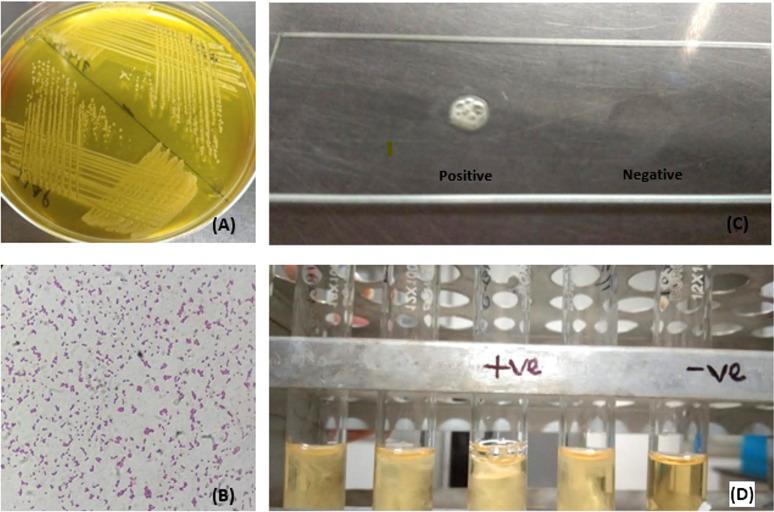
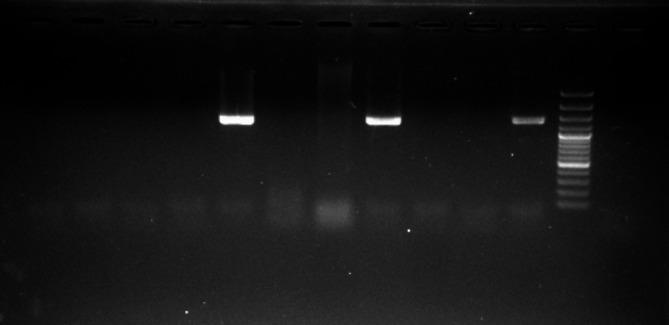
Livestock is an important agriculture sector in India and exhibits an indispensable part of economy of the country. The rising prevalence of Staphylococcus aureus (S. aureus), particularly methicillin-resistant (MRSA) and vancomycin-resistant (VRSA) strains, in livestock has become a significant concern in public health and veterinary medicine. S. aureus is a versatile pathogen capable of colonizing various animal species, leading to potential zoonotic transmission. This study aimed to assess the prevalence, biofilm formation, antimicrobial resistance (AMR), and molecular characterization of S. aureus isolates from cattle, buffalo, and pigs in Bareilly district, Uttar Pradesh, India. A total of 406 samples including 187 milk samples and 200 nasal swabs from apparently healthy animals and 19 wound swabs were collected from cattle, buffalo, and pigs. Isolation was performed using Brain Heart Infusion (BHI) broth enrichment followed by streaking on Mannitol Salt Agar (MSA). Biochemical and molecular tests were conducted to identify S. aureus, and the prevalence rates were calculated. PCR was used to confirm species identity and to detect biofilm-associated genes (icaA, icaD), as well as methicillin resistance genes (mecA, femA). Antimicrobial susceptibility was determined by the Kirby-Bauer disc diffusion method. The overall prevalence of S. aureus was 17.73%, with cattle exhibiting the highest prevalence (22.77%), followed by buffaloes (15.90%) and pigs (6.94%). Biofilm-associated genes were detected in 40.28% of isolates, and 20.83% and 13.89% of isolates were positive for the mecA and femA genes, respectively, indicating MRSA. Among the 72 S. aureus isolates, 62 (86.11%) were multidrug-resistant (MDR), with high resistance to streptomycin (80.56%) and β-lactams. Four isolates (5.55%) showed resistance to vancomycin, designated as VRSA. The prevalence of MRSA was 26.39% among the S. aureus isolates. The study highlights the significant prevalence of S. aureus and emerging multidrug-resistant strains, including MRSA and VRSA, in livestock in Bareilly district. These findings underscore the need for stringent antimicrobial stewardship and surveillance programs to prevent the spread of resistant strains, which pose both veterinary and public health risks. The presence of biofilm-forming isolates further complicates treatment and emphasizes the necessity for continued research and interventions to combat antimicrobial resistance in the agricultural sector.
畜牧业是印度重要的农业部门,也是该国经济不可或缺的一部分。金黄色葡萄球菌(S. aureus),尤其是耐甲氧西林(MRSA)和耐万古霉素(VRSA)菌株在牲畜中的流行率不断上升,已成为公共卫生和兽医学领域的重大关注点。金黄色葡萄球菌是一种多功能病原体,能够在各种动物物种中定殖,导致潜在的人畜共患病传播。本研究旨在评估印度北方邦巴雷利地区牛、水牛和猪源金黄色葡萄球菌分离株的流行率、生物膜形成、抗菌药物耐药性(AMR)及分子特征。共采集了406份样本,包括187份来自健康动物的牛奶样本、200份鼻拭子以及19份来自牛、水牛和猪的伤口拭子。采用脑心浸液(BHI)肉汤增菌,随后在甘露醇盐琼脂(MSA)上划线接种进行分离培养。进行生化和分子检测以鉴定金黄色葡萄球菌,并计算流行率。使用聚合酶链反应(PCR)确认菌种身份并检测生物膜相关基因(icaA、icaD)以及耐甲氧西林基因(mecA、femA)。采用 Kirby-Bauer 纸片扩散法测定抗菌药物敏感性。金黄色葡萄球菌的总体流行率为17.73%,其中牛的流行率最高(22.77%),其次是水牛(15.90%)和猪(6.94%)。4照.28%的分离株检测到生物膜相关基因,20.83%和13.89%的分离株分别对mecA和femA基因呈阳性,表明为耐甲氧西林金黄色葡萄球菌(MRSA)。在72株金黄色葡萄球菌分离株中,62株(86.11%)对多种药物耐药(MDR),对链霉素(80.56%)和β-内酰胺类药物耐药性高。4株(5.55%)对万古霉素耐药,被指定为耐万古霉素金黄色葡萄球菌(VRSA)。在金黄色葡萄球菌分离株中,耐甲氧西林金黄色葡萄球菌(MRSA)的流行率为26.39%。该研究突出了巴雷利地区牲畜中金黄色葡萄球菌以及包括耐甲氧西林金黄色葡萄球菌(MRSA)和耐万古霉素金黄色葡萄球菌(VRSA)在内的新出现的多重耐药菌株的显著流行情况。这些发现强调了需要严格的抗菌药物管理和监测计划以防止耐药菌株的传播,这些菌株对兽医和公共卫生均构成风险。形成生物膜的分离株的存在使治疗更加复杂,并强调了持续开展研究和采取干预措施以对抗农业领域抗菌药物耐药性的必要性。




 Zotero 插件