
纳米孔测序揭示了2021年巴基斯坦疾病爆发期间新冠病毒变异株的基因组多样性。
Nanopore sequencing reveals the genomic diversity of the variants of concern of SARS-CoV-2 during 2021 disease outbreak in Pakistan.
作者信息
Hassan Zohaib Ul, Park Minkyu, Park Dongju, Amin Humaira, Ahmed Ibrar, Badar Nazish, Ali Asif, Salman Muhammad, Umair Massab, Mirza Hamza Ahmed, Ahad Abdul, Muzaffar Maryam, Fazal Falak, Bibi Sana, Islam Madiha, Yousafzai Yasar Mehmood, Shah Sher, Zakria Muhammad, Haq Zia Ul, Kim Seil
机构信息
Microbiological Analysis Team, Korea Research Institute of Standards and Science (KRISS), Daejeon, 34113, Republic of Korea.
Department of Bio-Analytical Science, University of Science and Technology (UST), Daejeon, 34113, Republic of Korea.
出版信息
Sci Rep. 2025 Aug 1;15(1):28129. doi: 10.1038/s41598-025-12774-1.
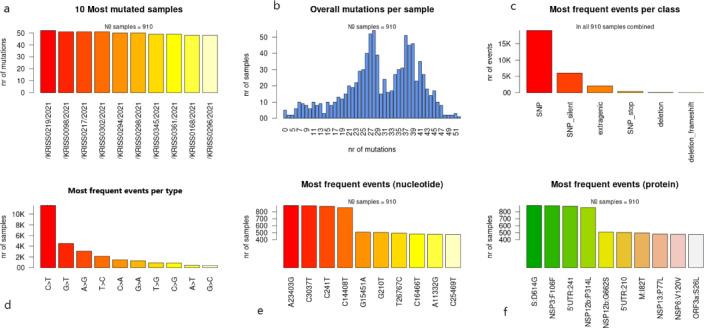
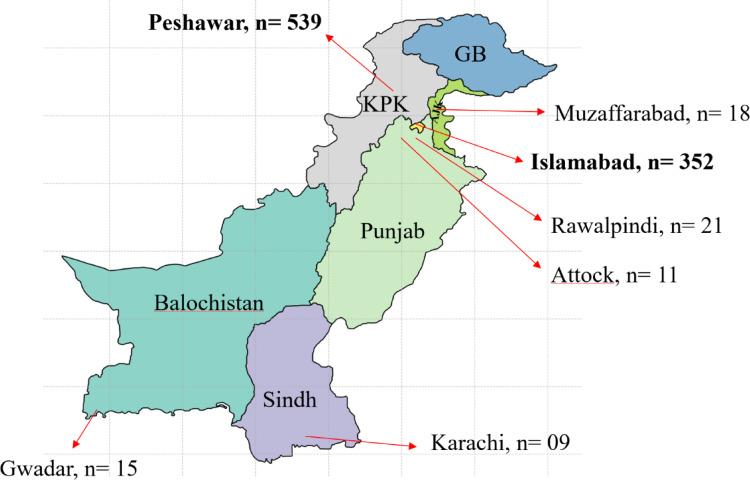
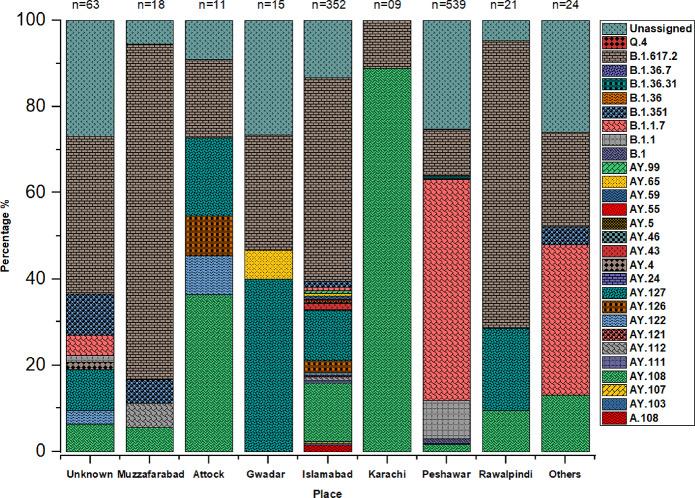
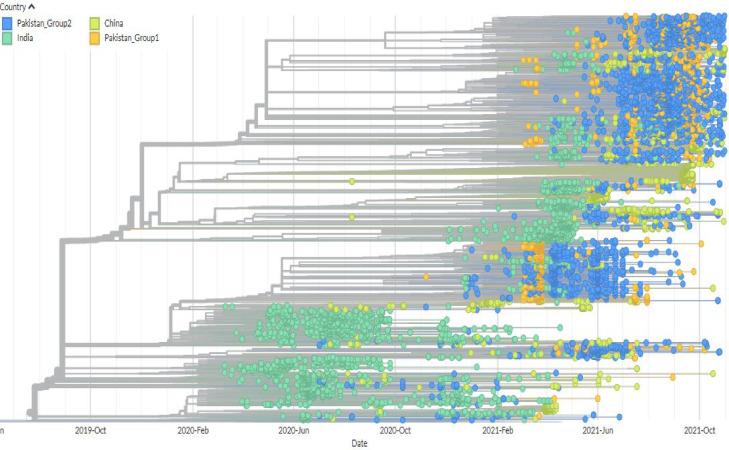
The global spread of SARS-CoV-2 was significantly impacted by the emergence of Variants of Concern (VOC), with Pakistan experiencing similar trends to other countries. To gain a comprehensive understanding of the genomic epidemiology of SARS-CoV-2 strains circulating during Pakistan's third and fourth pandemic waves, we conducted the largest single sequencing effort in the country to date. Using the GridION platform (Oxford Nanopore Technologies), we performed whole genome sequencing on 1052 confirmed COVID-19 patient samples collected from multiple cities across Pakistan between March and October 2021. Our analysis revealed a clear temporal shift in variant dominance. The Alpha variant (B.1.1.7 lineage) predominated in the first half of 2021, while the Delta variant (B.1.617.2) became most prevalent in the latter half. This transition reflects global trends and provides crucial insights into the timing and dynamics of this shift within Pakistan. Mutational analysis revealed that the most frequent nucleotide mutations in Pakistani SARS-CoV-2 samples were A23403G (associated with the D614G mutation in the spike protein), C3037T, C14408T, and C241T, potentially contributing to increased disease transmission and evasion of host immune responses. The rapid evolution and spread of these circulating variants highlight the possibility of novel variants emerging with enhanced mutational fitness. The AY.108 lineage, which has been reported at relatively low frequencies globally including in Europe and North America, with Pakistan accounting for approximately 34% of global cases, suggesting potential regional evolution or specific introduction events. Our findings underscore the dynamic nature of SARS-CoV-2 and emphasize the critical importance of ongoing, large-scale genomic surveillance in Pakistan. This study demonstrates the feasibility and utility of using nanopore sequencing for comprehensive viral monitoring in Pakistan's public health context. While we utilized the higher-throughput GridION platform for centralized processing, the Oxford Nanopore technology still provided distinct advantages through its simplified library preparation protocol, flexible run capacities, and reduced computational requirements for base-calling compared to traditional high-throughput sequencers. These benefits enabled efficient processing of our large sample batches collected from distributed sites across the country, demonstrating a scalable approach for genomic surveillance that balances throughput needs with resource availability. This could inform future public health strategies, including vaccine updates and targeted interventions. Continued monitoring and adaptive strategies are essential to keep pace with the evolving viral ecology and to enhance preparedness for future outbreaks.
新冠病毒变异株(VOC)的出现对严重急性呼吸综合征冠状病毒2(SARS-CoV-2)的全球传播产生了重大影响,巴基斯坦也经历了与其他国家类似的趋势。为全面了解巴基斯坦第三和第四波疫情期间流行的SARS-CoV-2毒株的基因组流行病学,我们开展了该国迄今为止规模最大的单次测序工作。我们使用GridION平台(牛津纳米孔技术公司),对2021年3月至10月期间从巴基斯坦多个城市收集的1052份确诊新冠病毒病患者样本进行了全基因组测序。我们的分析揭示了变异株优势地位的明显时间变化。阿尔法变异株(B.1.1.7谱系)在2021年上半年占主导地位,而德尔塔变异株(B.1.617.2)在下半年最为流行。这种转变反映了全球趋势,并为巴基斯坦境内这一转变的时间和动态提供了关键见解。突变分析显示,巴基斯坦SARS-CoV-2样本中最常见的核苷酸突变是A23403G(与刺突蛋白中的D614G突变相关)、C3037T、C14408T和C241T,这些突变可能导致疾病传播增加和宿主免疫反应逃避。这些流行变异株的快速进化和传播凸显了具有更高突变适应性的新变异株出现的可能性。AY.108谱系在全球范围内,包括在欧洲和北美,报告频率相对较低,而巴基斯坦约占全球病例的34%,这表明可能存在区域进化或特定引入事件。我们的研究结果强调了SARS-CoV-2的动态性质,并强调了在巴基斯坦持续进行大规模基因组监测的至关重要性。这项研究证明了在巴基斯坦公共卫生背景下使用纳米孔测序进行全面病毒监测的可行性和实用性。虽然我们利用了通量更高的GridION平台进行集中处理,但与传统高通量测序仪相比,牛津纳米孔技术通过其简化的文库制备方案、灵活的运行能力以及更低的碱基识别计算要求,仍然具有明显优势。这些优势使我们能够高效处理从该国各地分散地点收集的大量样本批次,展示了一种在通量需求与资源可用性之间取得平衡的可扩展基因组监测方法。这可以为未来的公共卫生策略提供参考,包括疫苗更新和针对性干预措施。持续监测和适应性策略对于跟上不断演变的病毒生态并加强对未来疫情的防范至关重要。

 Zotero 插件