
通过协同纳米药物对氧化磷酸化进行代谢靶向可增强三阴性乳腺癌的化疗敏感性。
Metabolic Targeting of Oxidative Phosphorylation Enhances Chemosensitivity in Triple-Negative Breast Cancer via a Synergistic Nanomedicine.
作者信息
Shen Xiaoding, Cai Hao, Wang Yihan, Xie Maodi, Li Yunkun, Pan Dayi, Jing Jing, Gong Qiyong, Luo Kui
机构信息
Department of Radiology, Huaxi MR Research Center (HMRRC), Institution of Radiology and Medical Imaging, Rehabilitation Therapy, Breast Center, Institute of Breast Health Medicine, Department of Thoracic Surgery and Institute of Thoracic Oncology, Laboratory of Mitochondrial Metabolism and Perioperative Medicine, Frontiers Science Center for Disease-Related Molecular Network, State Key Laboratory of Biotherapy, West China Hospital, Sichuan University, Chengdu 610041, China.
West China School of Medicine, Chengdu 610041, China.
出版信息
Theranostics. 2025 Jun 23;15(15):7607-7626. doi: 10.7150/thno.116250. eCollection 2025.
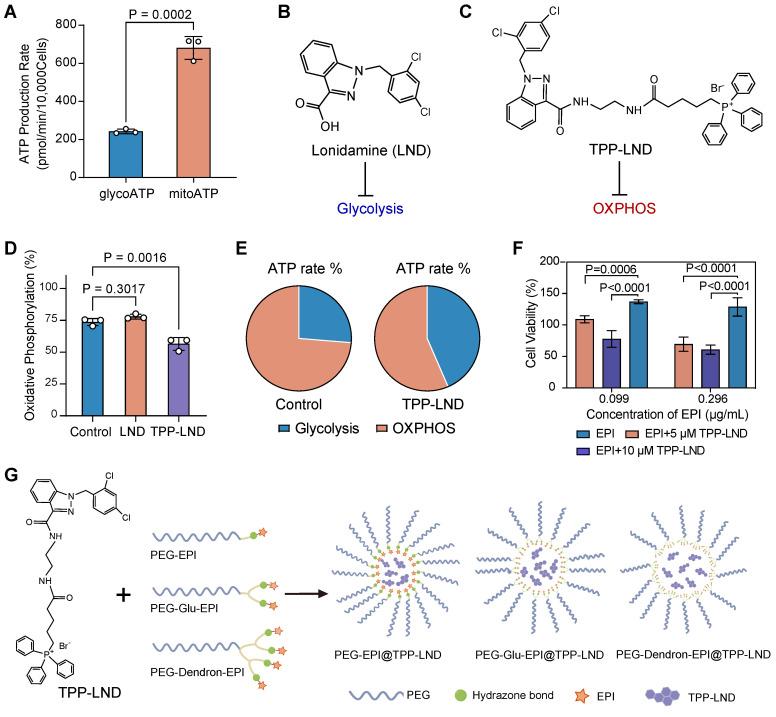
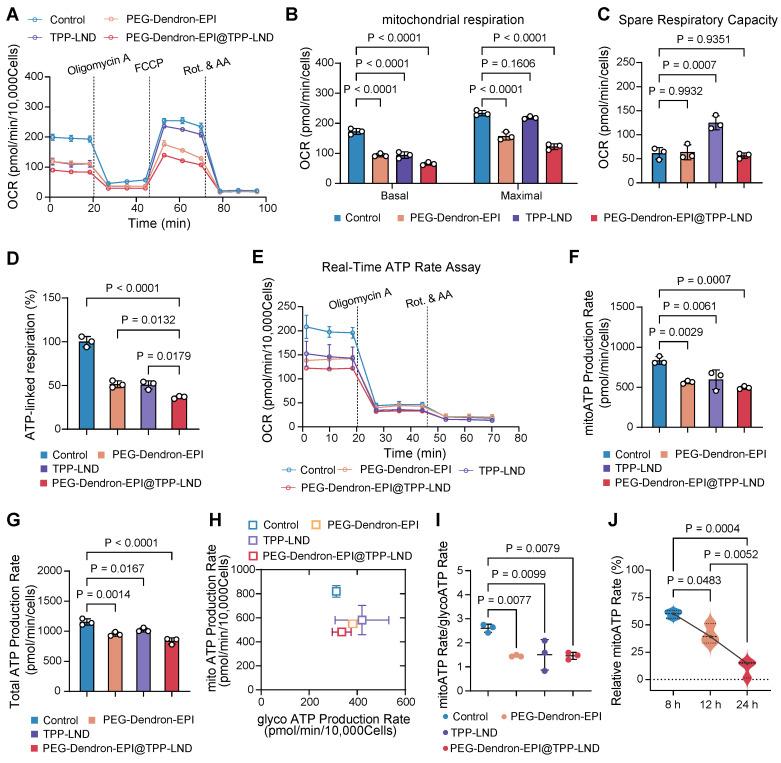
Triple-negative breast cancer (TNBC) is an aggressive form of breast cancer. There are very few targeted treatment options with satisfactory therapeutic indexes for TNBC. Although chemotherapy is the principal treatment modality for TNBC, its effectiveness is significantly compromised by low chemosensitivity in the TNBC patient population. Recent evidence has suggested that metabolic adaptation of tumor cells may play a critical role in reducing therapeutic responses. Metabolic interventions could enhance chemosensitivity and improve chemotherapeutic efficacy. The influence of oxidative phosphorylation (OXPHOS) on TNBC chemosensitivity was evaluated by integrating bioinformatic analyses of patient datasets with metabolic phenotyping of TNBC cells. The correlation was established between the level of OXPHOS gene expression and therapeutic responses to standard chemotherapeutics. A mitochondria-targeting OXPHOS inhibitor, TPP-LND (a mitochondria-targeting derivative of lonidamine), was synthesized. A dendron-based polymer was conjugated with epirubicin (EPI) via an acid-responsive hydrazone bond to form a nanocarrier. TPP-LND was subsequently encapsulated into this nanocarrier, yielding PEG-Dendron-EPI@TPP-LND. In TCGA-BRCA cohorts, an elevation in OXPHOS gene expression was correlated with poor clinical outcomes and a higher IC value of chemotherapeutic drugs like EPI was found in the patients with upregulated OXPHOS expression, suggesting diminished chemosensitivity in these patients. TNBC cells heavily relied on mitochondrial ATP production, and TPP-LND effectively inhibited OXPHOS. PEG-Dendron-EPI@TPP-LND significantly suppressed tumor growth and prevented compensatory glycolytic activation without inducing observable systemic toxicity . A mechanistic correlation was established between the OXPHOS activity and TNBC chemosensitivity. OXPHOS inhibition via TPP-LND was synergized with chemotherapy via the EPI prodrug to effectively suppress tumor growth and mitigate systemic toxicity of TPP-LND and EPI. This strategy could be promising for metabolic interventions to enhance the efficacy of chemotherapy in TNBC.
三阴性乳腺癌(TNBC)是一种侵袭性乳腺癌。对于TNBC,具有令人满意治疗指数的靶向治疗选择非常少。尽管化疗是TNBC的主要治疗方式,但其有效性在TNBC患者群体中因化疗敏感性低而受到显著影响。最近的证据表明,肿瘤细胞的代谢适应可能在降低治疗反应中起关键作用。代谢干预可以增强化疗敏感性并提高化疗疗效。通过整合患者数据集的生物信息学分析与TNBC细胞的代谢表型分析,评估了氧化磷酸化(OXPHOS)对TNBC化疗敏感性的影响。建立了OXPHOS基因表达水平与对标准化疗药物的治疗反应之间的相关性。合成了一种线粒体靶向的OXPHOS抑制剂TPP-LND(氯尼达明的线粒体靶向衍生物)。一种基于树枝状聚合物的聚合物通过酸响应腙键与表柔比星(EPI)偶联形成纳米载体。随后将TPP-LND封装到该纳米载体中,得到PEG-树枝状聚合物-EPI@TPP-LND。在TCGA-BRCA队列中,OXPHOS基因表达升高与临床预后不良相关,并且在OXPHOS表达上调的患者中发现化疗药物如EPI的IC值较高,表明这些患者的化疗敏感性降低。TNBC细胞严重依赖线粒体ATP生成,而TPP-LND有效抑制OXPHOS。PEG-树枝状聚合物-EPI@TPP-LND显著抑制肿瘤生长并防止代偿性糖酵解激活,且未诱导明显的全身毒性。建立了OXPHOS活性与TNBC化疗敏感性之间的机制相关性。通过TPP-LND抑制OXPHOS与通过EPI前药进行的化疗协同作用,有效抑制肿瘤生长并减轻TPP-LND和EPI的全身毒性。该策略对于代谢干预以提高TNBC化疗疗效可能具有前景。




 Zotero 插件