
镰状细胞贫血儿童/青年成人巨噬细胞炎症状态下的CB2和TRPV1受体
CB2 and TRPV1 receptors in inflammatory state of macrophages from sickle cell anemia pediatric/young adults.
作者信息
Di Feo Giuseppe, Giliberti Giulia, Rana-Seyfert Deeksha, Marrapodi Maria Maddalena, Casale Maddalena, Ahmed Shakeel, Perrotta Silverio, Rossi Francesca, Roberti Domenico, Di Paola Alessandra
机构信息
Department of Woman, Child and General and Specialist Surgery, University of Campania "Luigi Vanvitelli", Napoli, 80138, Italy.
Department of Advanced Medical and Surgical Sciences, University of Campania "Luigi Vanvitelli", Napoli, 80138, Italy.
出版信息
Sci Rep. 2025 Aug 8;15(1):29040. doi: 10.1038/s41598-025-15028-2.
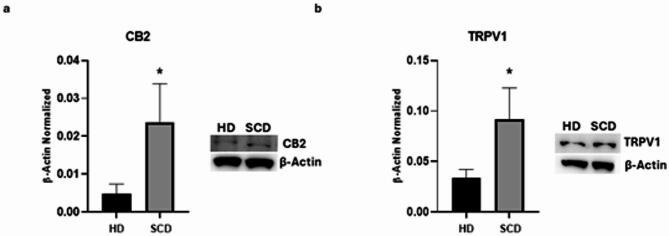
Sickle Cell Disease (SCD) is a monogenic disorder characterized by the production of abnormal hemoglobin. Polymerization of HbS causes sickling of red blood cells (RBCs) evidenced by acute adverse events and persistent inflammatory state, vasculopathy and organ damage. Sickled RBCs cause an anemic condition and vaso-occlusive crisis which trigger leukocytes, endothelial cells, and platelets. Due to these events, SCD patients unveiled an elevated level of pro-inflammatory cytokines, which contribute to the ongoing inflammatory state, oxidative stress, and other severe complications. SCD patients also experience neuropathic, inflammatory, and nociceptive pain. The discovery of novel therapeutic approaches and targets to counteract and manage inflammation in SCD are needed. Our study aimed to better understand the role of macrophages in SCD inflammation by first investigating their phenotype and then studying the iron metabolism involvement in the inflammatory processes. Therefore, given the importance to find novel therapeutic approach to contain and manage inflammation in these patients, and considering the role of CB2 and TRPV1 in this process, we decided to investigate the expression of these receptors and the effects of their stimulation on inflammatory state in SCD macrophages.
镰状细胞病(SCD)是一种单基因疾病,其特征是产生异常血红蛋白。HbS的聚合导致红细胞(RBC)镰变,表现为急性不良事件以及持续的炎症状态、血管病变和器官损伤。镰状红细胞会导致贫血状态和血管闭塞性危机,进而引发白细胞、内皮细胞和血小板的反应。由于这些事件,SCD患者的促炎细胞因子水平升高,这会导致持续的炎症状态、氧化应激和其他严重并发症。SCD患者还会经历神经性、炎症性和伤害性疼痛。需要发现新的治疗方法和靶点来对抗和管理SCD中的炎症。我们的研究旨在通过首先研究巨噬细胞的表型,然后研究铁代谢在炎症过程中的参与情况,来更好地理解巨噬细胞在SCD炎症中的作用。因此,鉴于找到新的治疗方法来控制和管理这些患者炎症的重要性,并考虑到CB2和TRPV1在这一过程中的作用,我们决定研究这些受体的表达及其刺激对SCD巨噬细胞炎症状态的影响。



 Zotero 插件