
揭示[具体内容]在消化系统疾病中的潜力:一项综述。 (注:原文中“in digestive diseases”前缺失具体所指内容)
Unveiling the potential of in digestive diseases: a comprehensive review.
作者信息
Zhou Jinjie, Ma Shuang, Huang Zhuo, Yao Qinyan, Yu Zihan, Chen Jihua, Yao Liuqing, Zhu Lanping, Chen Xin
机构信息
Department of Gastroenterology and Hepatology, General Hospital, Tianjin Medical University, Tianjin, China.
Tianjin Institute of Digestive Diseases, Tianjin, China.
出版信息
Front Microbiol. 2025 Aug 1;16:1508382. doi: 10.3389/fmicb.2025.1508382. eCollection 2025.
BACKGROUND
() is a lactic acid-producing probiotic, possessing the potential to modulate intestinal microbiota balance, which can enhance immune function, and reduce the risk of intestinal infections. In recent years, increasing studies have demonstrated the positive impact of this strain and its metabolites on the health of multiple systems, including the stomach, intestine, liver, and brain.
OBJECTIVE
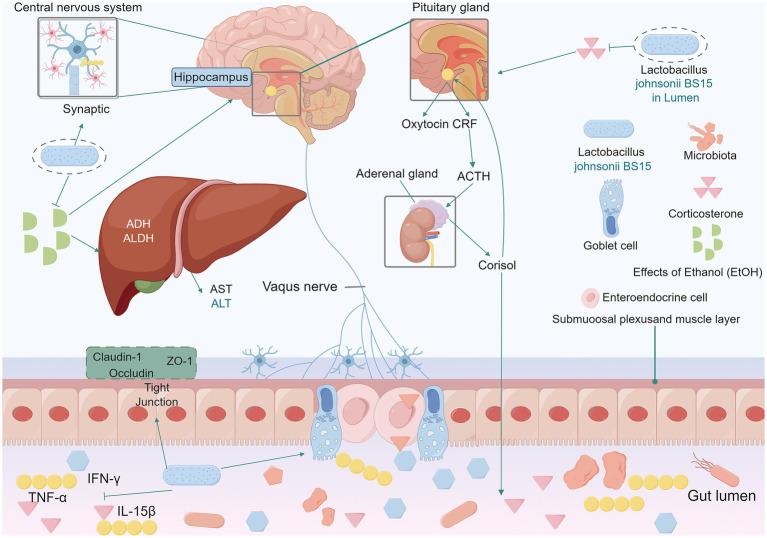
This article aims to systematically review the mechanisms of action and clinical application progress of in the prevention and treatment of digestive system-related diseases. The focus is on exploring its systemic regulatory role through the "microbiota-gut-organ axis."
METHODOLOGY
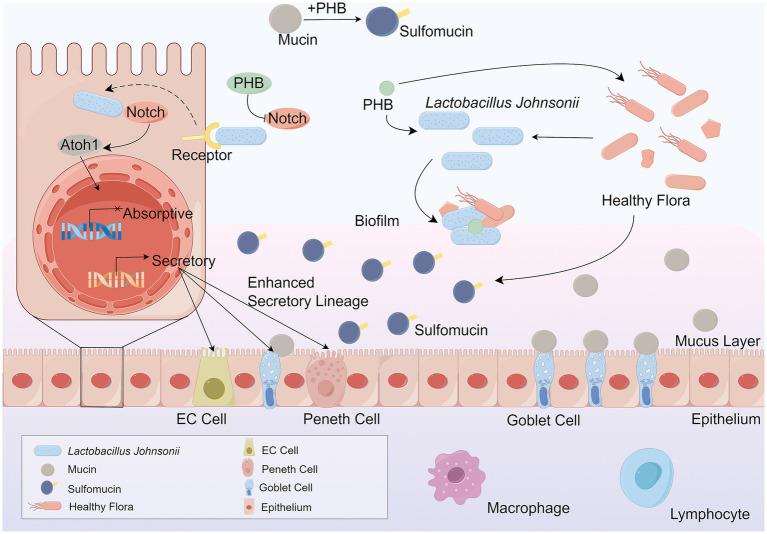
By collating and analyzing recent research findings on , we evaluated its specific mechanisms in regulating intestinal barrier function, immune response, and neuroendocrine signaling pathways. This strain can be isolated and identified through experimental means, and its population abundance can be quantitatively analyzed, providing a basis for studying its biological functions.
RESULTS
Studies have revealed that exhibits significant interventional potential in various cross-system diseases, including inflammatory bowel disease (IBD), intestinal infections, ()-associated gastritis, non-alcoholic fatty liver disease, and neurodegenerative diseases. These findings further validate the important role of this strain in maintaining intestinal microbiota homeostasis, regulating body metabolism, and brain-gut axis function.
CONCLUSION
In summary, shows great promise in digestive health by modulating immunity, enhancing the gut barrier and balancing gut microbiota. Future research should further explore its mechanisms of action, aiming to provide a solid theoretical foundation and experimental support for its precise therapeutic reality.
背景
(某菌株)是一种产乳酸的益生菌,具有调节肠道微生物群平衡的潜力,可增强免疫功能,并降低肠道感染风险。近年来,越来越多的研究表明该菌株及其代谢产物对包括胃、肠、肝和脑在内的多个系统的健康具有积极影响。
目的
本文旨在系统综述(某菌株)在预防和治疗消化系统相关疾病中的作用机制及临床应用进展。重点是通过“微生物群-肠道-器官轴”探索其全身调节作用。
方法
通过整理和分析关于(某菌株)的最新研究结果,我们评估了其在调节肠道屏障功能、免疫反应和神经内分泌信号通路中的具体机制。该菌株可通过实验手段分离和鉴定,其种群丰度可进行定量分析,为研究其生物学功能提供依据。
结果
研究表明,(某菌株)在包括炎症性肠病(IBD)、肠道感染、(幽门螺杆菌)相关性胃炎、非酒精性脂肪性肝病和神经退行性疾病等各种跨系统疾病中具有显著的干预潜力。这些发现进一步证实了该菌株在维持肠道微生物群稳态、调节身体代谢和脑-肠轴功能方面的重要作用。
结论
总之,(某菌株)通过调节免疫力、增强肠道屏障和平衡肠道微生物群,在消化健康方面显示出巨大潜力。未来的研究应进一步探索其作用机制,旨在为其精准治疗提供坚实的理论基础和实验支持。


 Zotero 插件