
宿主细胞蛋白参与非节段RNA病毒感染细胞的包涵体形成:分子层面的见解
Participation of host cell proteins in inclusion bodies of non-segmented RNA virus infected cells: a molecular insight.
作者信息
Sarkar Sharmistha, Biligiri Kriti Kestur, Vats Nisha, Rampalli Shravanti, Ganguly Surajit, Kumar Naveen, Sarkar Debi Prasad, Ganguly Nirmal Kumar, Sharma Nishi Raj
机构信息
School of Interdisciplinary Sciences and Technology, Department of Molecular Medicine, Jamia Hamdard, Hamdard Nagar, New Delhi, 110062, India.
Council of Scientific and Industrial Research (CSIR), Institute of Genomics and Integrative Biology (IGIB), New Delhi, 110025, India.
出版信息
Virol J. 2025 Aug 18;22(1):282. doi: 10.1186/s12985-025-02784-w.
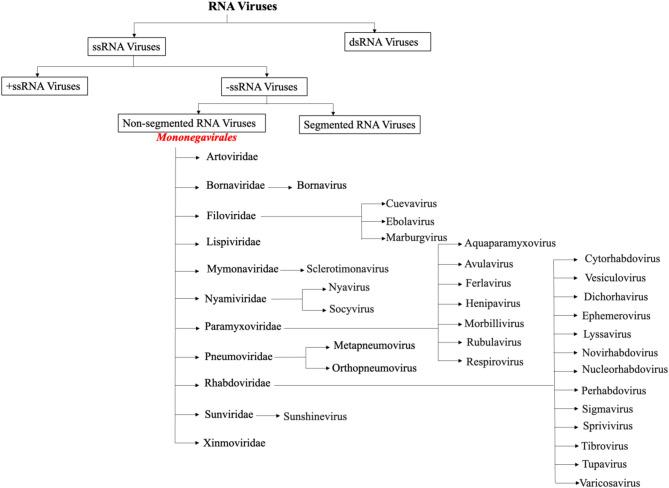
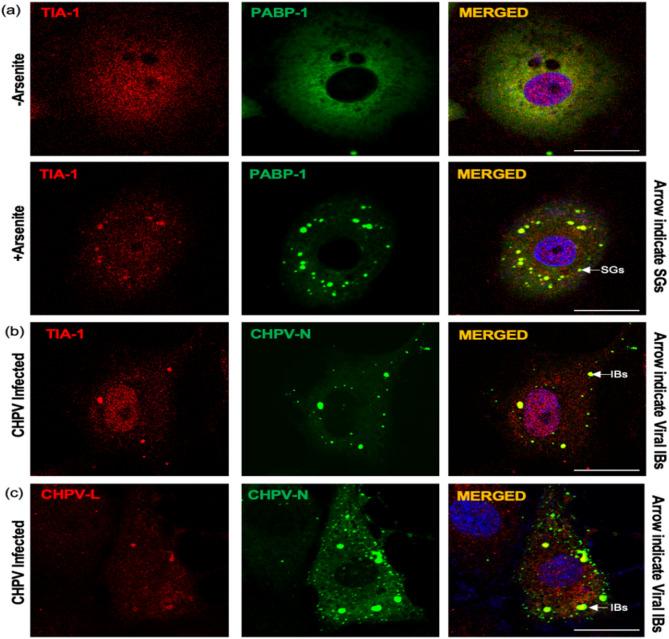
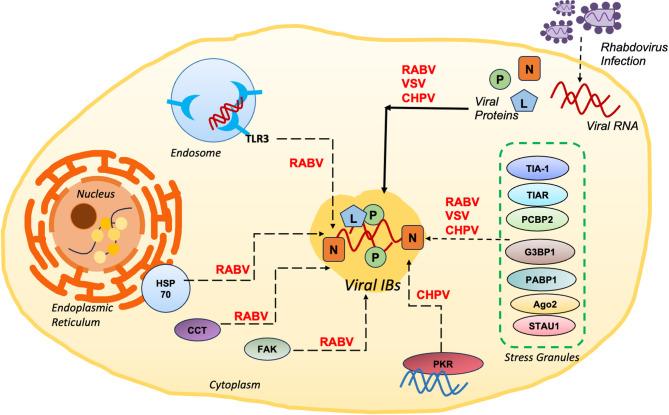
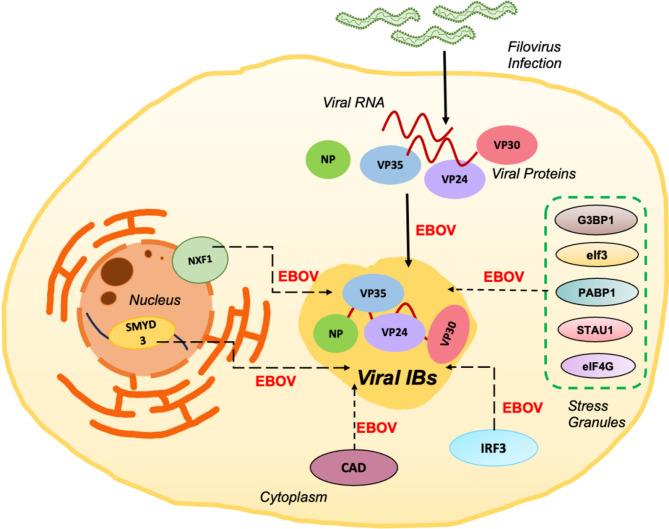
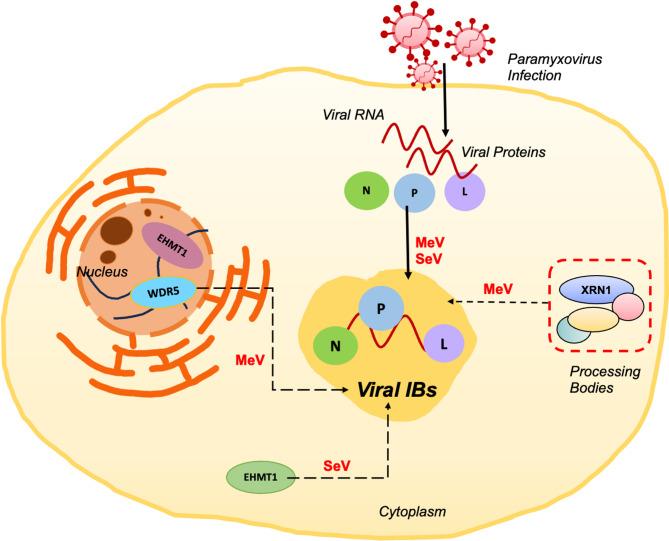
Negative-sense RNA viruses (NSVs) carrying a non-segmented genome encompass a broad group of viruses responsible for numerous human diseases such as rabies, mumps, measles, respiratory illness and encephalitis. Viruses replicate intracellular and interact with various host proteins to evade the immune response and persist within the host. A salient trait of NSVs is their ability to form cytoplasmic inclusion bodies (IBs) which are believed to serve as pivotal sites for viral replication. The formation of viral IBs is a complex process involving the recruitment of viral RNA and its proteins along with cellular components. These different constituents of IBs fulfil diverse roles depending on the structure and composition which remains specific to each virus. Therefore, understanding the viral strategies underlying IB formation is imperative. Numerous studies have explored the relationship between virus-induced IBs and host cell factors. This review aims to summarize how cellular factors participate in the formation of distinct viral IBs among non-segmented NSVs.
携带非节段基因组的负链RNA病毒(NSV)包括一大类病毒,它们可导致多种人类疾病,如狂犬病、腮腺炎、麻疹、呼吸道疾病和脑炎。病毒在细胞内复制,并与各种宿主蛋白相互作用,以逃避免疫反应并在宿主体内持续存在。NSV的一个显著特征是它们能够形成细胞质包涵体(IB),据信这些包涵体是病毒复制的关键位点。病毒IB的形成是一个复杂的过程,涉及病毒RNA及其蛋白质以及细胞成分的募集。IB的这些不同成分根据其结构和组成发挥不同的作用,而每种病毒的结构和组成都是特定的。因此,了解IB形成背后的病毒策略至关重要。许多研究探讨了病毒诱导的IB与宿主细胞因子之间的关系。本综述旨在总结细胞因子如何参与非节段NSV中不同病毒IB的形成。


 Zotero 插件