
通过黑木相思不定芽再生高效诱导四倍体及后续表型变异
Efficient induction of tetraploids via adventitious bud regeneration and subsequent phenotypic variation in Acacia melanoxylon.
作者信息
Jiang Shenxiu, Xia Yufei, Ling Aoyu, Shu Jianghai, You Kairan, Wang Shun, Zhan Dingju, Zeng Bingshan, Yang Jun, Kang Xiangyang
机构信息
State Key Laboratory of Tree Genetics and Breeding, National Engineering Research Center of Tree Breeding and Ecological Restoration, College of Biological Sciences and Biotechnology, Beijing Forestry University, Beijing, 100083, China.
Guangxi Bagui R&D Institute for Forest Tree and Flower Breeding, Nanning, 530025, China.
出版信息
Plant Methods. 2025 Aug 22;21(1):115. doi: 10.1186/s13007-025-01426-0.
BACKGROUND ACACIA MELANOXYLON
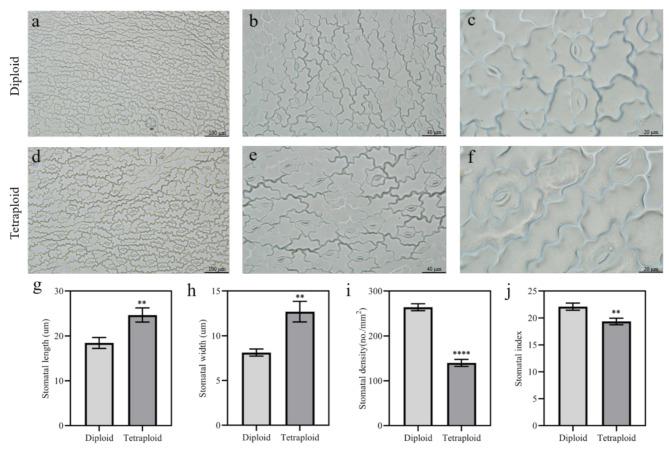
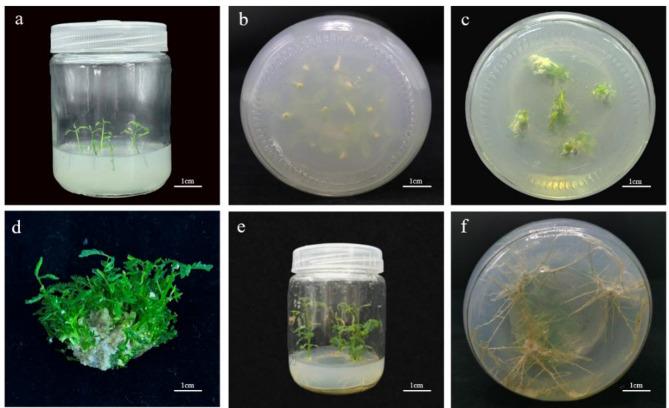
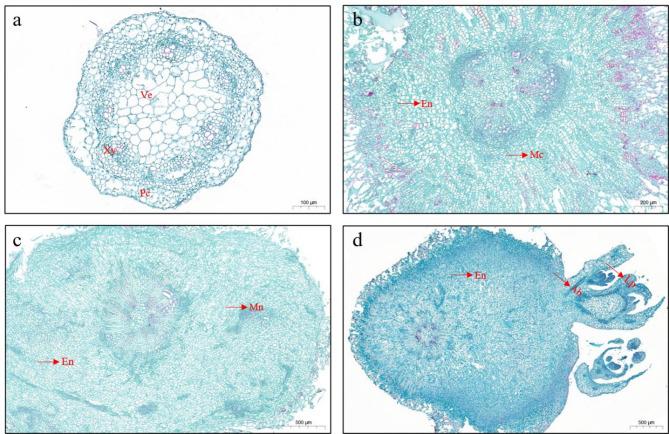
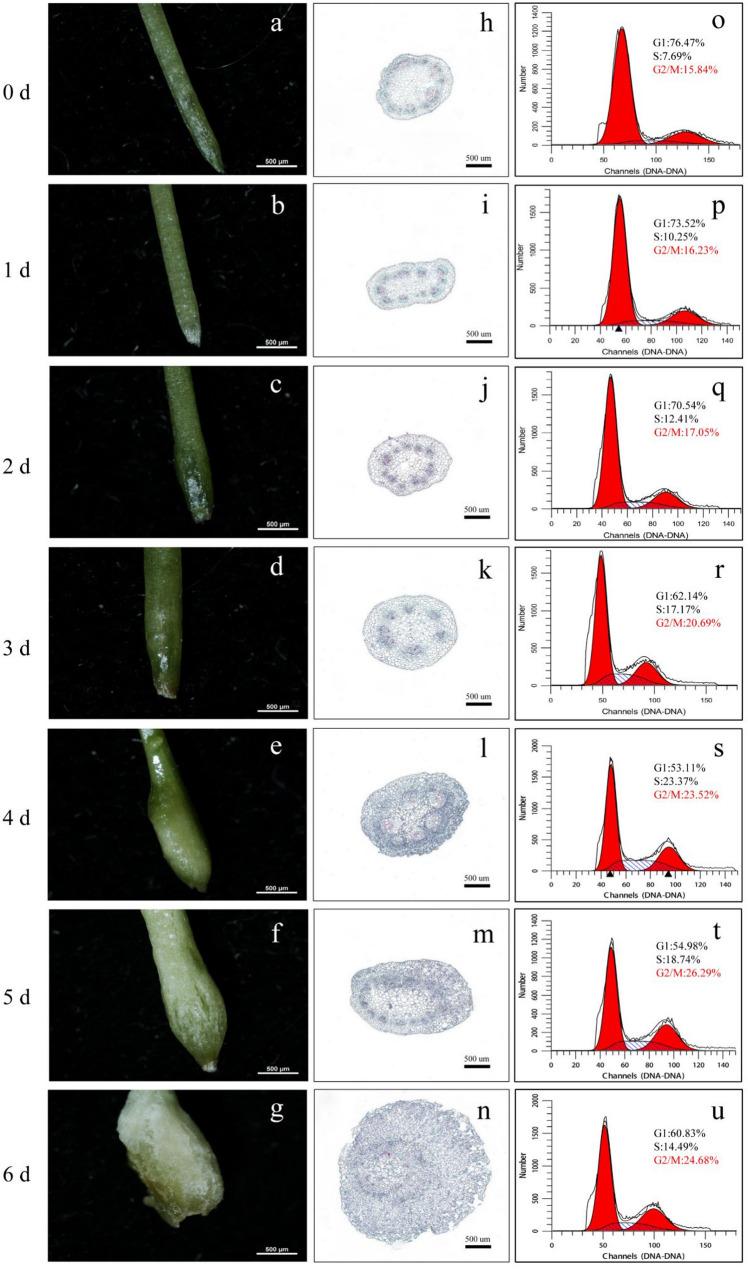
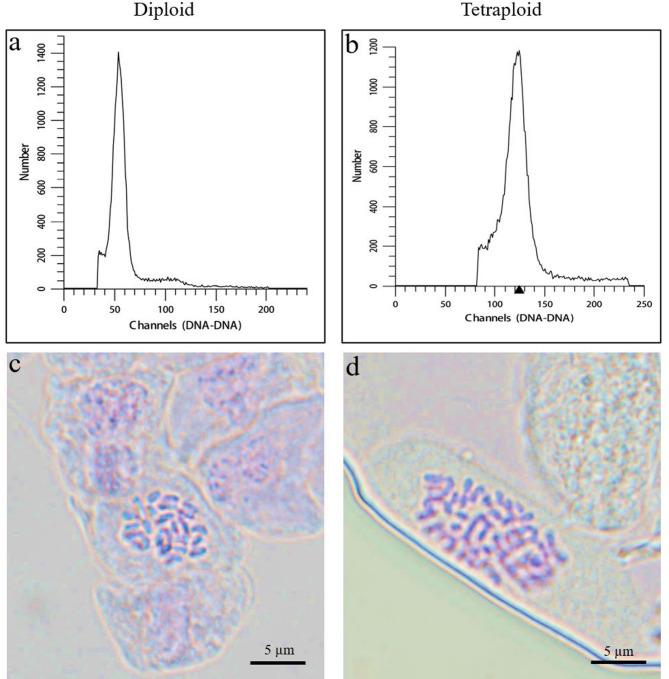
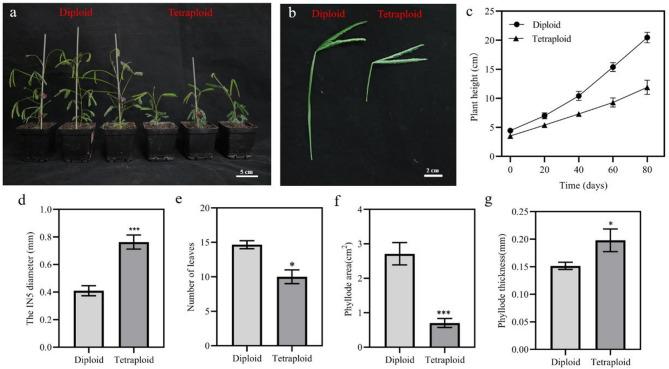
is an important species for establishing pulpwood plantations due to its high application value in engineered wood products. However, the lack of a well-established in vitro regeneration system has severely constrained its industrial-scale propagation and the induction of tetraploids. RESULTS: In this study, using the superior A. melanoxylon clone SR3, an in vitro regeneration system using a bud-bearing stem segment was established. A DKW medium supplemented with 0.5 mg/L 6-BA, 0.1 mg/L IAA, and 0.2 mg/L NAA was determined as the optimal differentiation medium. Adding 0.5 mg/L IBA and 0.25 mg/L NAA to the 1/2 MS medium produced a higher rooting percentage and root number. To determine the optimal timing for tetraploid induction in A. melanoxylon, morphological, cytological, and flow cytometric analyses were conducted on the swollen tissue at the base of the bud-bearing stem segment. On the 5th day of preculture, white callus tissue was observed, characterized by vigorous cell division and the highest G/M-phase cell content in the adventitious bud primordia. After colchicine treatment, the tetraploid induction efficiency on the 5th day of preculture was significantly higher compared to the 4th or 6th day. The highest induction rate of 12.26 ± 0.80% was achieved with 100 mg/L colchicine for 72 h on the 5th day of preculture. Furthermore, tetraploid A. melanoxylon exhibited morphological traits such as reduced plant height, leaf number, and stomatal density. CONCLUSIONS: This study establishes a stable and effective method for in vitro tetraploid induction in A. melanoxylon, providing theoretical and technical support for polyploid breeding and laying the groundwork for subsequent triploid development.
背景
黑荆树是建立纸浆材人工林的重要树种,因其在工程木制品中具有很高的应用价值。然而,缺乏完善的离体再生体系严重制约了其规模化繁殖和四倍体诱导。结果:本研究以优良黑荆树无性系SR3为材料,建立了以带芽茎段为外植体的离体再生体系。确定添加0.5 mg/L 6 - BA、0.1 mg/L IAA和0.2 mg/L NAA的DKW培养基为最佳分化培养基。在1/2 MS培养基中添加0.5 mg/L IBA和0.25 mg/L NAA可获得较高的生根率和根数。为确定黑荆树四倍体诱导的最佳时期,对带芽茎段基部膨大组织进行了形态学、细胞学和流式细胞术分析。预培养第5天观察到白色愈伤组织,其细胞分裂旺盛,不定芽原基中G/M期细胞含量最高。秋水仙素处理后,预培养第5天的四倍体诱导效率显著高于第4天或第6天。在预培养第5天用100 mg/L秋水仙素处理72 h,诱导率最高,为12.26±0.80%。此外,四倍体黑荆树表现出株高、叶片数和气孔密度降低等形态特征。结论:本研究建立了一种稳定有效的黑荆树离体四倍体诱导方法,为多倍体育种提供了理论和技术支持,为后续三倍体培育奠定了基础。
 Zotero 插件