
DNA生物传感器的最新进展:靶向特异性和结构导向的信号放大
Recent Progress in DNA Biosensors: Target-Specific and Structure-Guided Signal Amplification.
作者信息
Lee Jae Eon, Pack Seung Pil
机构信息
Department of Biotechnology and Bioinformatics, Korea University, Sejong 30019, Republic of Korea.
出版信息
Biosensors (Basel). 2025 Jul 23;15(8):476. doi: 10.3390/bios15080476.
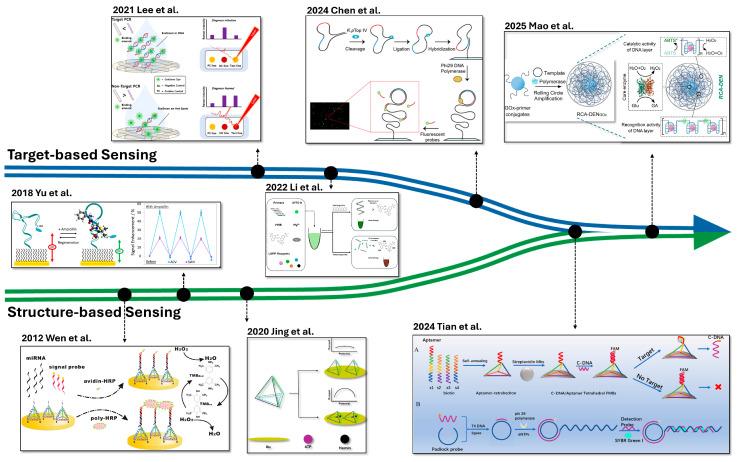
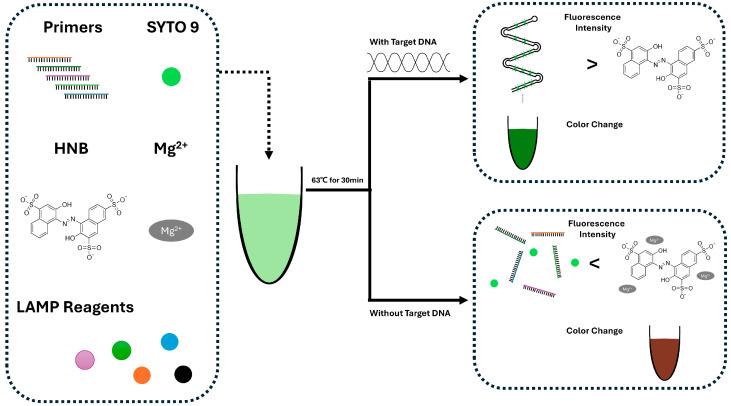
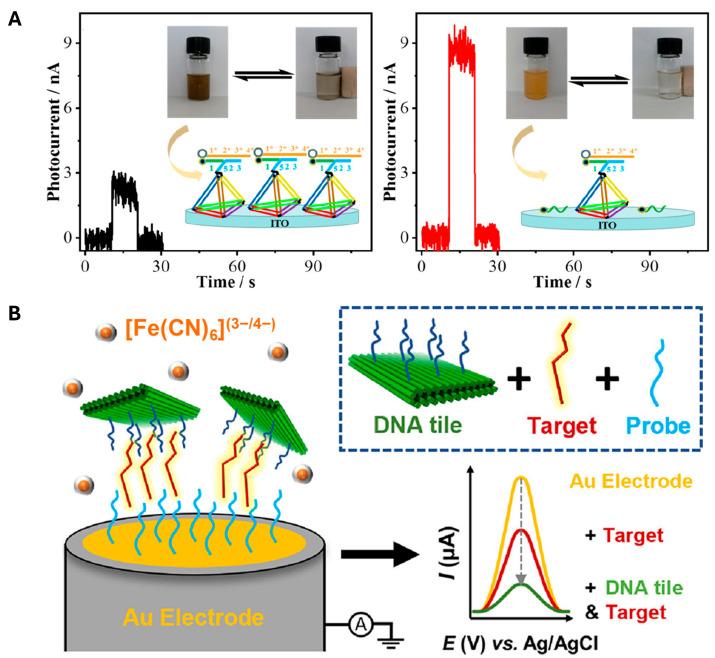
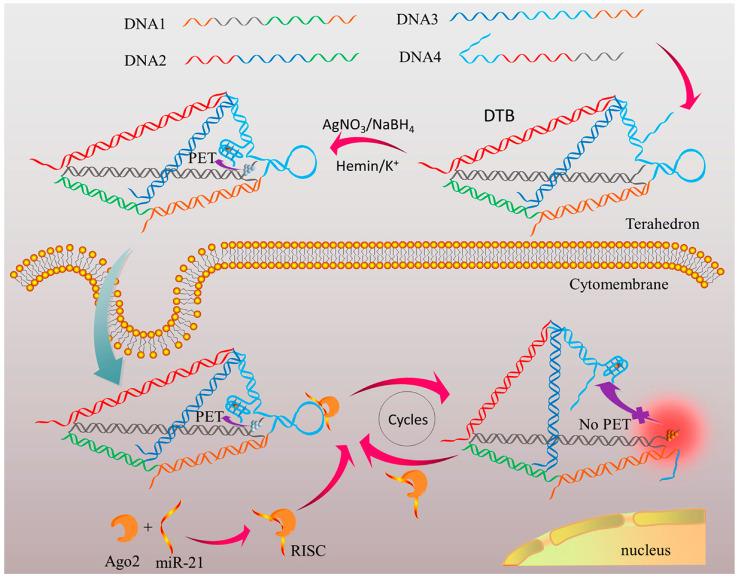
Deoxyribonucleic acid (DNA) is not only a fundamental biological molecule but also a versatile material for constructing sensitive and specific biosensing platforms. Its ability to undergo sequence-specific hybridization via Watson-Crick base pairing enables both precise target recognition and the programmable construction of nanoscale structures. The demand for ultrasensitive detection increases in fields such as disease diagnostics, therapeutics, and other areas, and the inherent characteristics of DNA have driven the development of a wide range of signal amplification strategies. Among these, polymerase chain reaction (PCR), rolling circle amplification (RCA), and loop-mediated isothermal amplification (LAMP) represent powerful target-based methods that enzymatically increase the concentration of nucleic acid targets, thereby boosting detection sensitivity. In parallel, structure-based strategies leverage the nanoscale spatial programmability of DNA to construct functional architectures with high precision. DNA can be used as a scaffold, such as DNA nanostructures, to organize sensing elements and facilitate signal transduction. It can also function as a probe, like aptamers, to recognize targets with high affinity. These versatilities enable the creation of highly sophisticated sensing platforms that integrate molecular recognition and signal amplification. Driven by DNA nano-assembly capability, both target-based and structure-based approaches are driving the advancement of highly sensitive, selective, and adaptable diagnostic technologies. This review highlights recent developments in DNA nano-assembly-driven amplification strategies.
脱氧核糖核酸(DNA)不仅是一种基本的生物分子,也是构建灵敏且特异的生物传感平台的多功能材料。它通过沃森-克里克碱基配对进行序列特异性杂交的能力,既实现了精确的目标识别,又能对纳米级结构进行可编程构建。在疾病诊断、治疗等领域,对超灵敏检测的需求不断增加,而DNA的固有特性推动了多种信号放大策略的发展。其中,聚合酶链反应(PCR)、滚环扩增(RCA)和环介导等温扩增(LAMP)代表了强大的基于目标的方法,这些方法通过酶促作用增加核酸靶标的浓度,从而提高检测灵敏度。与此同时,基于结构的策略利用DNA的纳米级空间可编程性来高精度构建功能架构。DNA可以用作支架,如DNA纳米结构,来组织传感元件并促进信号转导。它也可以作为探针,如适体,以高亲和力识别目标。这些多功能性使得能够创建集成分子识别和信号放大的高度复杂的传感平台。在DNA纳米组装能力的推动下,基于目标和基于结构的方法都在推动高灵敏度、选择性和适应性诊断技术的进步。本综述重点介绍了DNA纳米组装驱动的放大策略的最新进展。


 Zotero 插件