
基于纳米颗粒的癌症治疗中抗耐药性递送策略
Nanoparticle-Based Delivery Strategies for Combating Drug Resistance in Cancer Therapeutics.
作者信息
Park Seohyun, Lu Guo-Liang, Zheng Yi-Chao, Davison Emma K, Li Yan
机构信息
School of Science, Auckland University of Technology, Auckland 0102, New Zealand.
Auckland Cancer Society Research Centre, Faculty of Medical and Health Sciences, University of Auckland, Auckland 0102, New Zealand.
出版信息
Cancers (Basel). 2025 Aug 11;17(16):2628. doi: 10.3390/cancers17162628.
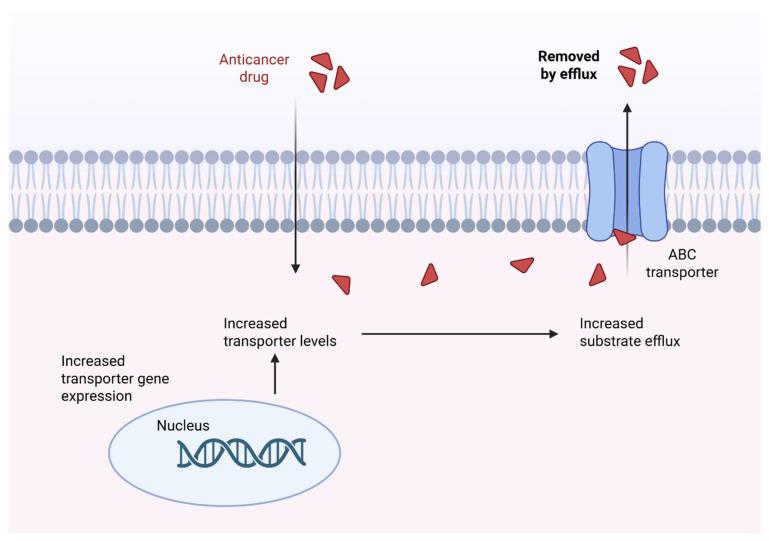
Multidrug resistance (MDR) remains a formidable barrier to successful cancer treatment, driven by mechanisms such as efflux pump overexpression, enhanced DNA repair, evasion of apoptosis and the protective characteristics of the tumour microenvironment. Nanoparticle-based delivery systems have emerged as promising platforms capable of addressing these challenges by enhancing intracellular drug accumulation, enabling targeted delivery and facilitating stimuli-responsive and controlled release. This review provides a comprehensive overview of the molecular and cellular mechanisms underlying MDR and critically examines recent advances in nanoparticle strategies developed to overcome it. Various nanoparticle designs are analysed in terms of their structural and functional features, including surface modifications, active targeting ligands and responsiveness to tumour-specific cues. Particular emphasis is placed on the co-delivery of chemotherapeutic agents with gene regulators, such as siRNA, and the use of nanoparticles to deliver CRISPR/Cas9 gene editing tools as a means of re-sensitising resistant cancer cells. While significant progress has been made in preclinical settings, challenges such as tumour heterogeneity, limited clinical translation and immune clearance remain. Future directions include the integration of precision nanomedicine, scalable manufacturing and non-viral genome editing platforms. Collectively, nanoparticle-based drug delivery systems offer a multifaceted approach to combat MDR and hold great promise for improving therapeutic outcomes in resistant cancers.
多药耐药性(MDR)仍然是癌症治疗成功的巨大障碍,其驱动机制包括外排泵过度表达、DNA修复增强、细胞凋亡逃避以及肿瘤微环境的保护特性。基于纳米颗粒的递送系统已成为有前景的平台,能够通过增强细胞内药物积累、实现靶向递送以及促进刺激响应和控释来应对这些挑战。本综述全面概述了MDR背后的分子和细胞机制,并批判性地审视了为克服MDR而开发的纳米颗粒策略的最新进展。根据其结构和功能特征分析了各种纳米颗粒设计,包括表面修饰、活性靶向配体以及对肿瘤特异性信号的响应性。特别强调了化疗药物与基因调节剂(如siRNA)的共递送,以及使用纳米颗粒递送CRISPR/Cas9基因编辑工具作为使耐药癌细胞重新敏感化的手段。虽然在临床前研究中取得了重大进展,但肿瘤异质性、临床转化有限和免疫清除等挑战仍然存在。未来的方向包括精准纳米医学、可扩展制造和非病毒基因组编辑平台的整合。总体而言,基于纳米颗粒的药物递送系统提供了一种多方面的方法来对抗MDR,并有望改善耐药癌症的治疗效果。



 Zotero 插件