
植物和真菌多糖的抗肥胖机制:结构多样性的影响
Anti-Obesity Mechanisms of Plant and Fungal Polysaccharides: The Impact of Structural Diversity.
作者信息
Fang Guihong, Li Baolian, Zhu Li, Chen Liqian, Xiao Juan, Chen Juncheng
机构信息
Heinz Mehlhorn Academician Workstation, Department of Nutrition and Food Hygiene, School of Public Health, Hainan Academy of Medical Sciences, Hainan Medical University, Haikou 571199, China.
Medical Devices Research & Testing Center of SCUT, South China University of Technology, Guangzhou 510640, China.
出版信息
Biomolecules. 2025 Aug 7;15(8):1140. doi: 10.3390/biom15081140.
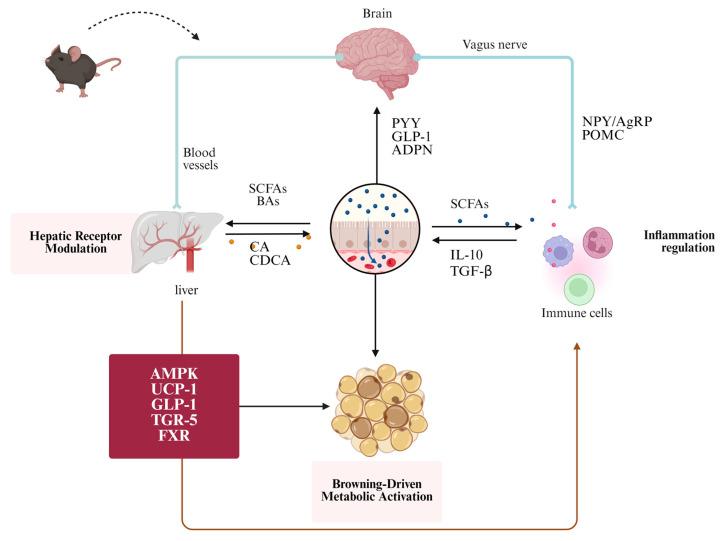
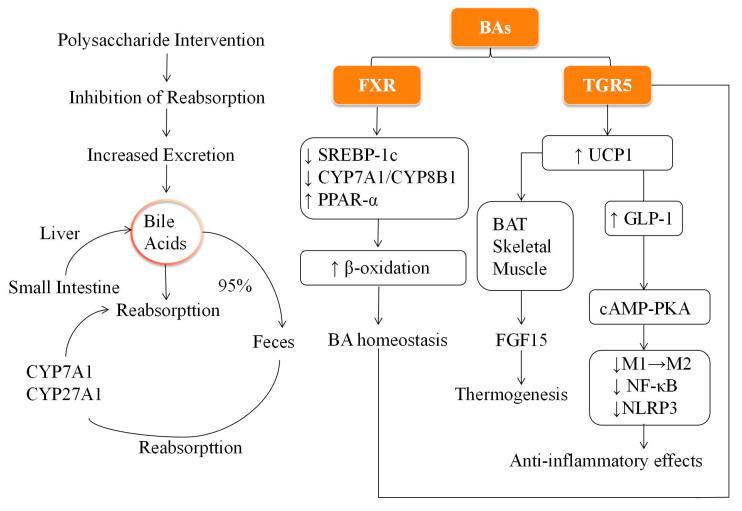
Obesity, a multifactorial metabolic syndrome driven by genetic-epigenetic crosstalk and environmental determinants, manifests through pathological adipocyte hyperplasia and ectopic lipid deposition. With the limitations of conventional anti-obesity therapies, which are characterized by transient efficacy and adverse pharmacological profiles, the scientific community has intensified efforts to develop plant and fungal polysaccharide therapeutic alternatives. These polysaccharide macromolecules have emerged as promising candidates because of their diverse biological activities and often act as natural prebiotics, exerting beneficial effects through multiple pathways. Plant and fungal polysaccharides can reduce blood glucose levels, alleviate inflammation and oxidative stress, modulate metabolic signaling pathways, inhibit nutrient absorption, and reshape gut microbial composition. These effects have been shown in cellular and animal models and are associated with mechanisms underlying obesity and related metabolic disorders. This review discusses the complexity of obesity and multifaceted role of plant and fungal polysaccharides in alleviating its symptoms and complications. Current knowledge on the anti-obesity properties of plant and fungal polysaccharides is also summarized. We highlight their regulatory effects, potential intervention pathways, and structure-function relationships, thereby providing novel insights into polysaccharide-based strategies for obesity management.
肥胖是一种由基因-表观遗传相互作用和环境决定因素驱动的多因素代谢综合征,通过病理性脂肪细胞增生和异位脂质沉积表现出来。传统抗肥胖疗法存在局限性,其特点是疗效短暂且有不良药理作用,因此科学界加大了开发植物和真菌多糖治疗替代品的力度。这些多糖大分子因其多样的生物活性而成为有前景的候选物,并且常作为天然益生元,通过多种途径发挥有益作用。植物和真菌多糖可降低血糖水平、减轻炎症和氧化应激、调节代谢信号通路、抑制营养吸收并重塑肠道微生物组成。这些作用已在细胞和动物模型中得到证实,且与肥胖及相关代谢紊乱的潜在机制有关。本文综述讨论了肥胖的复杂性以及植物和真菌多糖在减轻其症状和并发症方面的多方面作用。还总结了目前关于植物和真菌多糖抗肥胖特性的知识。我们强调了它们的调节作用、潜在干预途径以及结构-功能关系,从而为基于多糖的肥胖管理策略提供新的见解。
 Zotero 插件