
脑脊液中游离DNA的表观遗传学分析:一种用于代谢性脑病的新型生物标志物方法。
Epigenetic Profiling of Cell-Free DNA in Cerebrospinal Fluid: A Novel Biomarker Approach for Metabolic Brain Diseases.
作者信息
Sporn Kyle, Kumar Rahul, Marla Kiran, Ravi Puja, Vaja Swapna, Paladugu Phani, Zaman Nasif, Tavakkoli Alireza
机构信息
Department of Medicine, Norton College of Medicine, SUNY Upstate Medical University, 785 E Adams St., Syracuse, NY 13202, USA.
Department of Biochemistry and Molecular Biology, University of Miami Miller School of Medicine, Miami, FL 33136, USA.
出版信息
Life (Basel). 2025 Jul 25;15(8):1181. doi: 10.3390/life15081181.
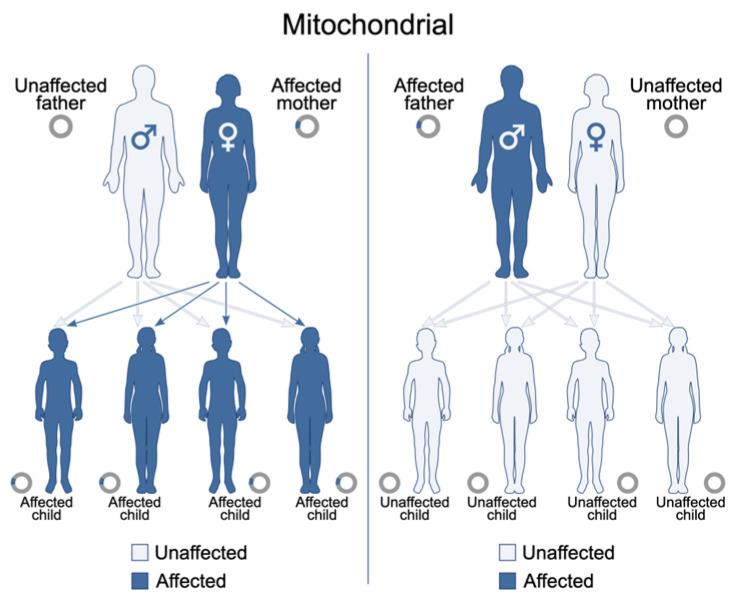
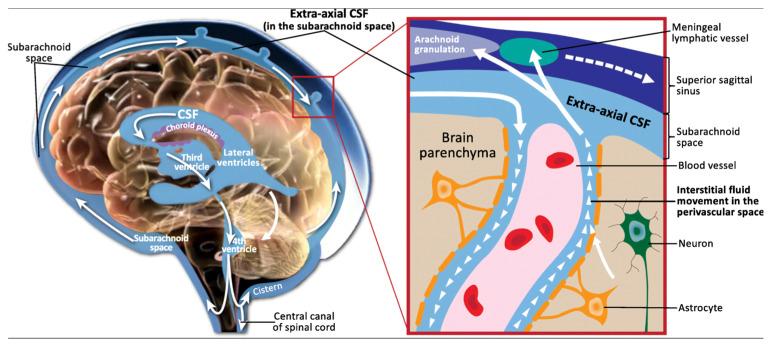
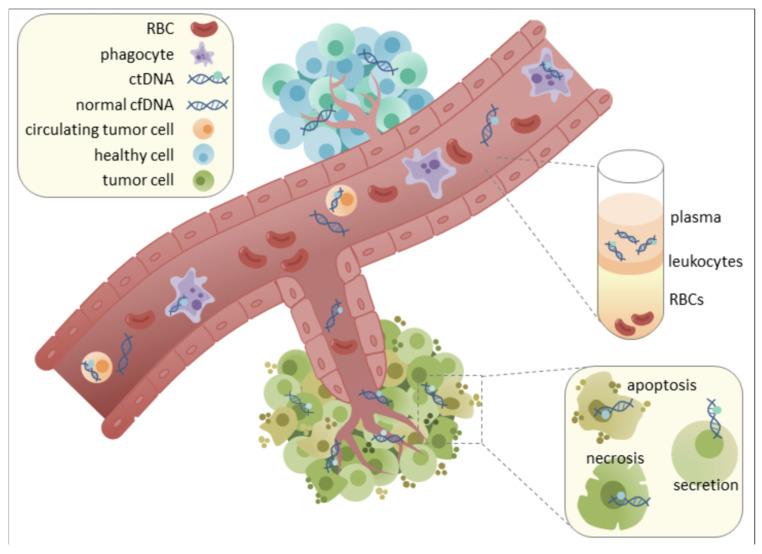
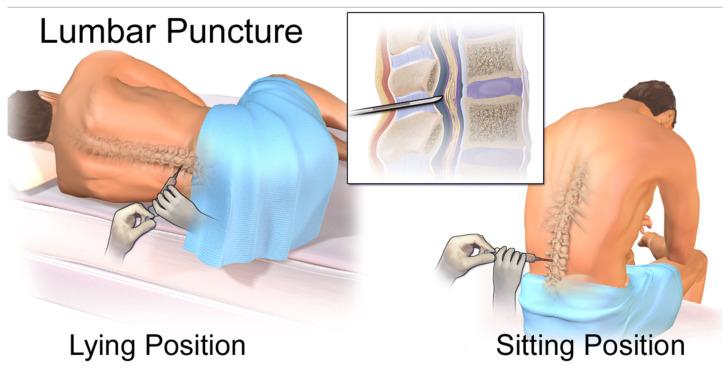
Due to their clinical heterogeneity, nonspecific symptoms, and the limitations of existing biomarkers and imaging modalities, metabolic brain diseases (MBDs), such as mitochondrial encephalopathies, lysosomal storage disorders, and glucose metabolism syndromes, pose significant diagnostic challenges. This review examines the growing potential of cell-free DNA (cfDNA) derived from cerebrospinal fluid (CSF) epigenetic profiling as a dynamic, cell-type-specific, minimally invasive biomarker approach for MBD diagnosis and monitoring. We review important technological platforms and their use in identifying CNS-specific DNA methylation patterns indicative of neuronal injury, neuroinflammation, and metabolic reprogramming, including cfMeDIP-seq, enzymatic methyl sequencing (EM-seq), and targeted bisulfite sequencing. By synthesizing current findings across disorders such as MELAS, Niemann-Pick disease, Gaucher disease, GLUT1 deficiency syndrome, and diabetes-associated cognitive decline, we highlight the superior diagnostic and prognostic resolution offered by CSF cfDNA methylation signatures relative to conventional CSF markers or neuroimaging. We also address technical limitations, interpretive challenges, and translational barriers to clinical implementation. Ultimately, this review explores CSF cfDNA epigenetic analysis as a liquid biopsy modality. The central objective is to assess whether epigenetic profiling of CSF-derived cfDNA can serve as a reliable and clinically actionable biomarker for improving the diagnosis and longitudinal monitoring of metabolic brain diseases.
由于其临床异质性、非特异性症状以及现有生物标志物和成像方式的局限性,线粒体脑病、溶酶体贮积症和葡萄糖代谢综合征等代谢性脑病(MBD)带来了重大的诊断挑战。本综述探讨了源自脑脊液(CSF)表观遗传分析的游离DNA(cfDNA)作为一种动态、细胞类型特异性、微创生物标志物方法用于MBD诊断和监测的潜力日益增长。我们回顾了重要的技术平台及其在识别指示神经元损伤、神经炎症和代谢重编程的中枢神经系统特异性DNA甲基化模式中的应用,包括cfMeDIP-seq、酶促甲基测序(EM-seq)和靶向亚硫酸氢盐测序。通过综合目前在诸如线粒体脑肌病伴高乳酸血症和卒中样发作(MELAS)、尼曼-匹克病、戈谢病、葡萄糖转运蛋白1缺乏综合征以及糖尿病相关认知衰退等疾病中的研究结果,我们强调了脑脊液cfDNA甲基化特征相对于传统脑脊液标志物或神经影像学所提供的卓越诊断和预后分辨率。我们还讨论了技术局限性、解释挑战以及临床应用的转化障碍。最终,本综述将脑脊液cfDNA表观遗传分析作为一种液体活检方式进行了探讨。核心目标是评估源自脑脊液的cfDNA的表观遗传分析是否能够作为一种可靠且具有临床可操作性的生物标志物,以改善代谢性脑病的诊断和纵向监测。



 Zotero 插件