
通过抑制TNF-α/HIF-1α/IL-17驱动的炎症级联反应探索[具体物质]对子宫腺肌病的治疗作用:来自靶点预测和实验验证的机制见解
Exploring 's Therapeutic Effects on Adenomyosis by Inhibiting TNF-α/HIF-1α/IL-17-Driven Inflammatory Cascade: Mechanistic Insights from Target Prediction and Experimental Validation.
作者信息
Yang Qiaomei, Hong Jingxuan, Zheng Xinye, Liu Xianhua, Lin Hao, Chen Li, Zhong Fuchun, Zhang Qianhui, Jiang Junying, Sun PengMing
机构信息
Department of Gynecology, Fujian Maternity and Child Health Hospital, College of Clinical Medicine for Obstetrics & Gynecology and Pediatrics, Fujian Medical University, Fuzhou, Fujian, 350001, People's Republic of China.
Department of Cardiology, Fujian Provincial Hospital, Provincial Hospital Affiliated to Fuzhou University, Fuzhou, Fujian, 350001, People's Republic of China.
出版信息
J Inflamm Res. 2025 Aug 22;18:11551-11575. doi: 10.2147/JIR.S537221. eCollection 2025.
BACKGROUND
Adenomyosis is a chronic inflammatory gynecological disorder closely linked with diminished fertility potential that poses significant challenges in pharmacological management. (Danshen, DS), a traditional Chinese herb with proven anti-inflammatory properties, has shown efficacy in treating chronic inflammatory conditions across multiple organ systems. However, its mechanisms in addressing adenomyosis remain unclear.
METHODS
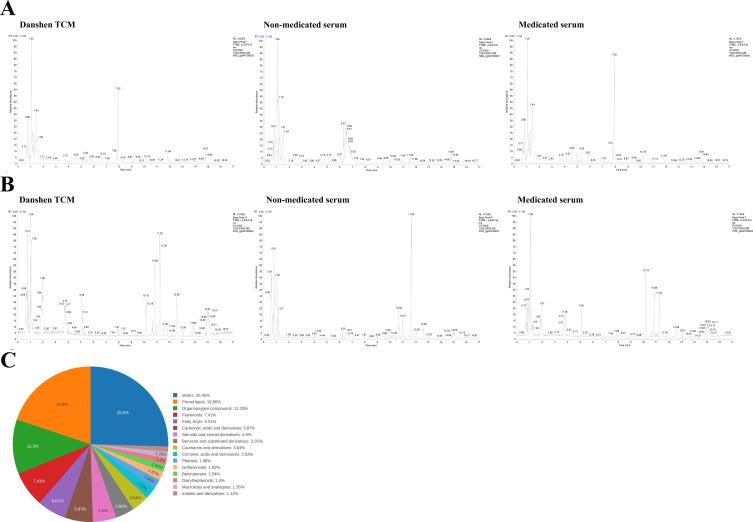
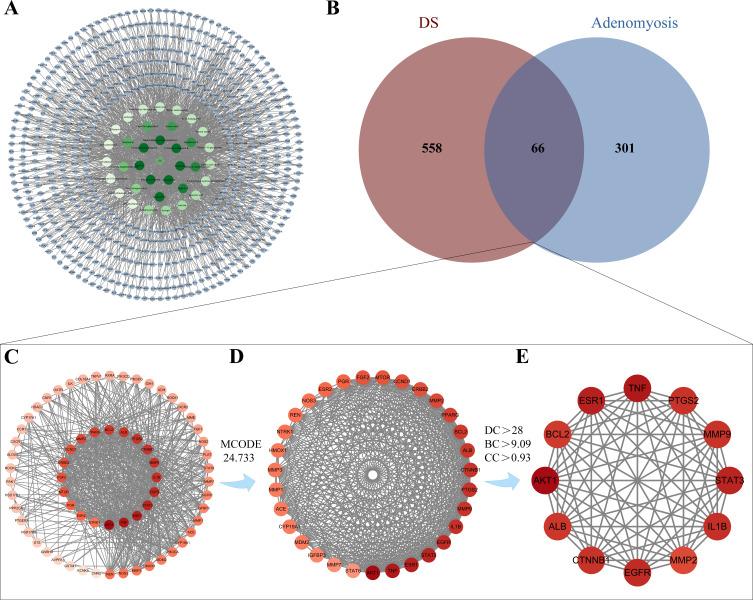
Ultra-performance liquid chromatography coupled with Q Exactive™ HF-X mass spectrometry (UPLC-QE-MS) was employed to identify the constituents of DS. Targets for DS in treating adenomyosis were identified from various databases and a PPI network was constructed. Core target genes were identified by Module analysis using MCODE and CytoNCA plugin of Cytoscape. Functional analyses of core target genes were performed using GO and KEGG, followed by molecular docking, transcriptomics validation, and molecular dynamics simulations. Predicted targets and pathways were validated through Western blotting, qRT-PCR, and IF.
RESULTS
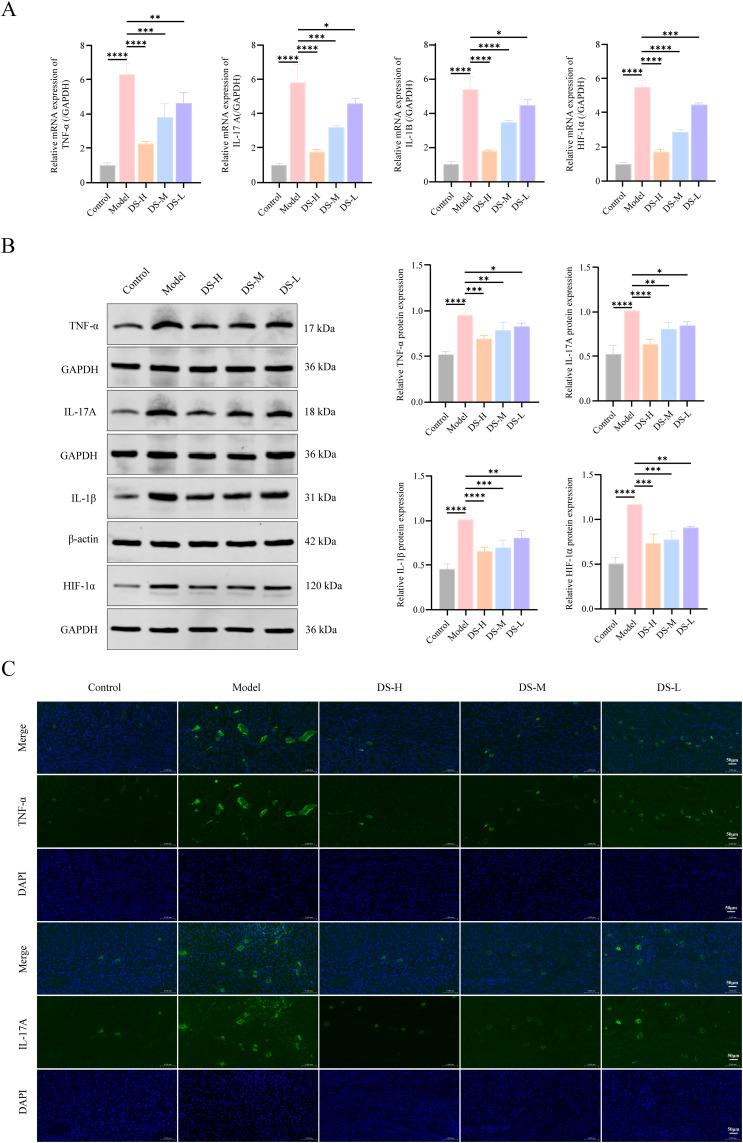
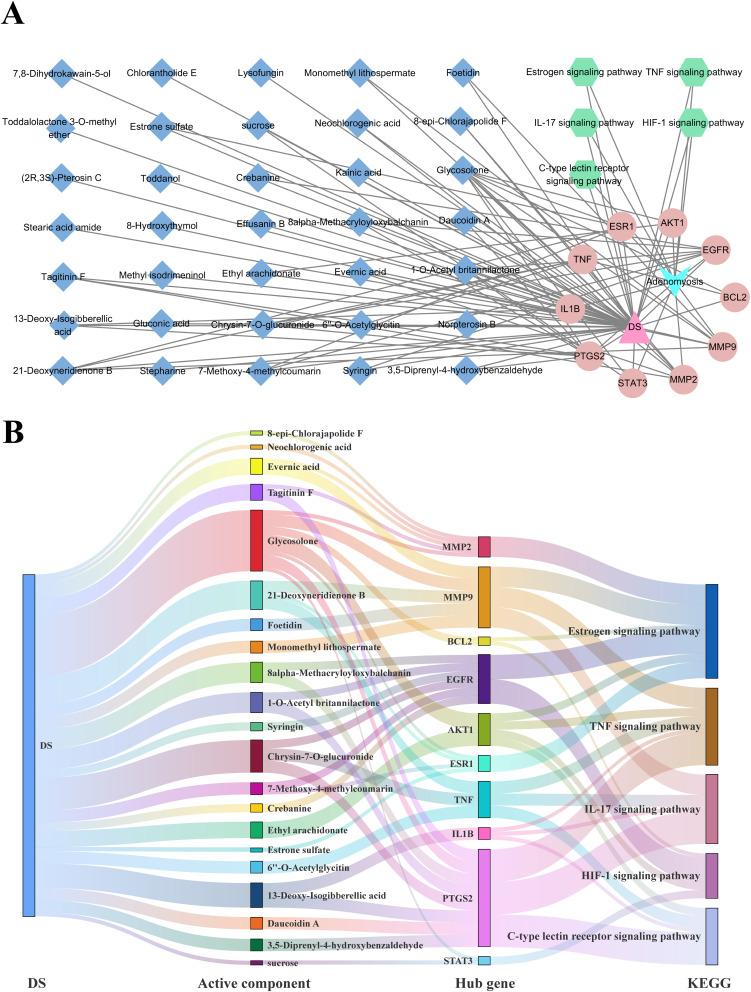
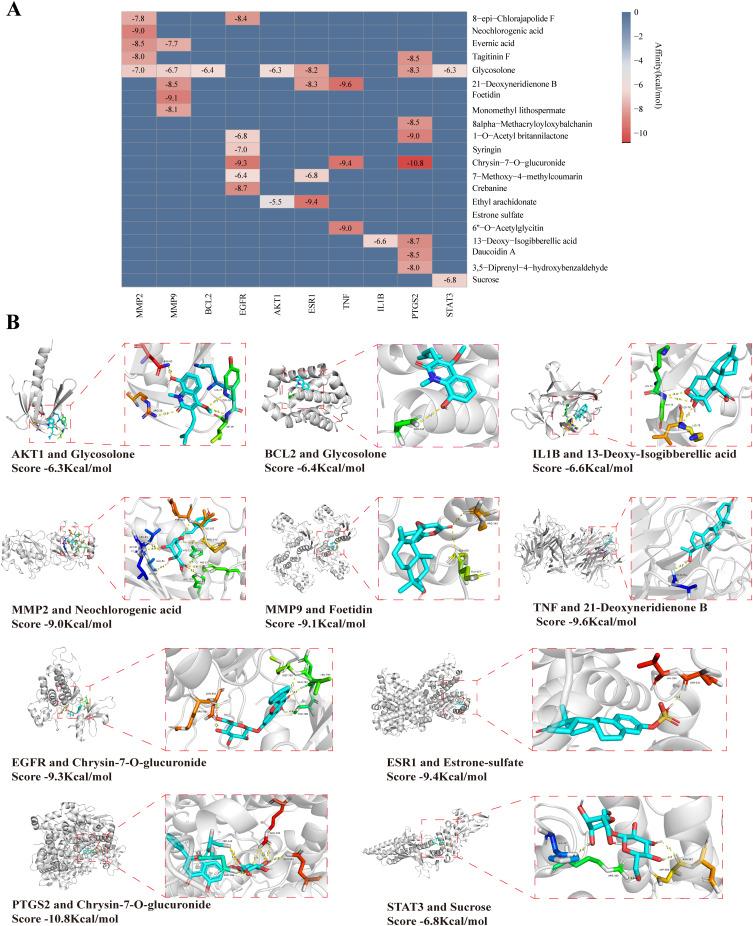
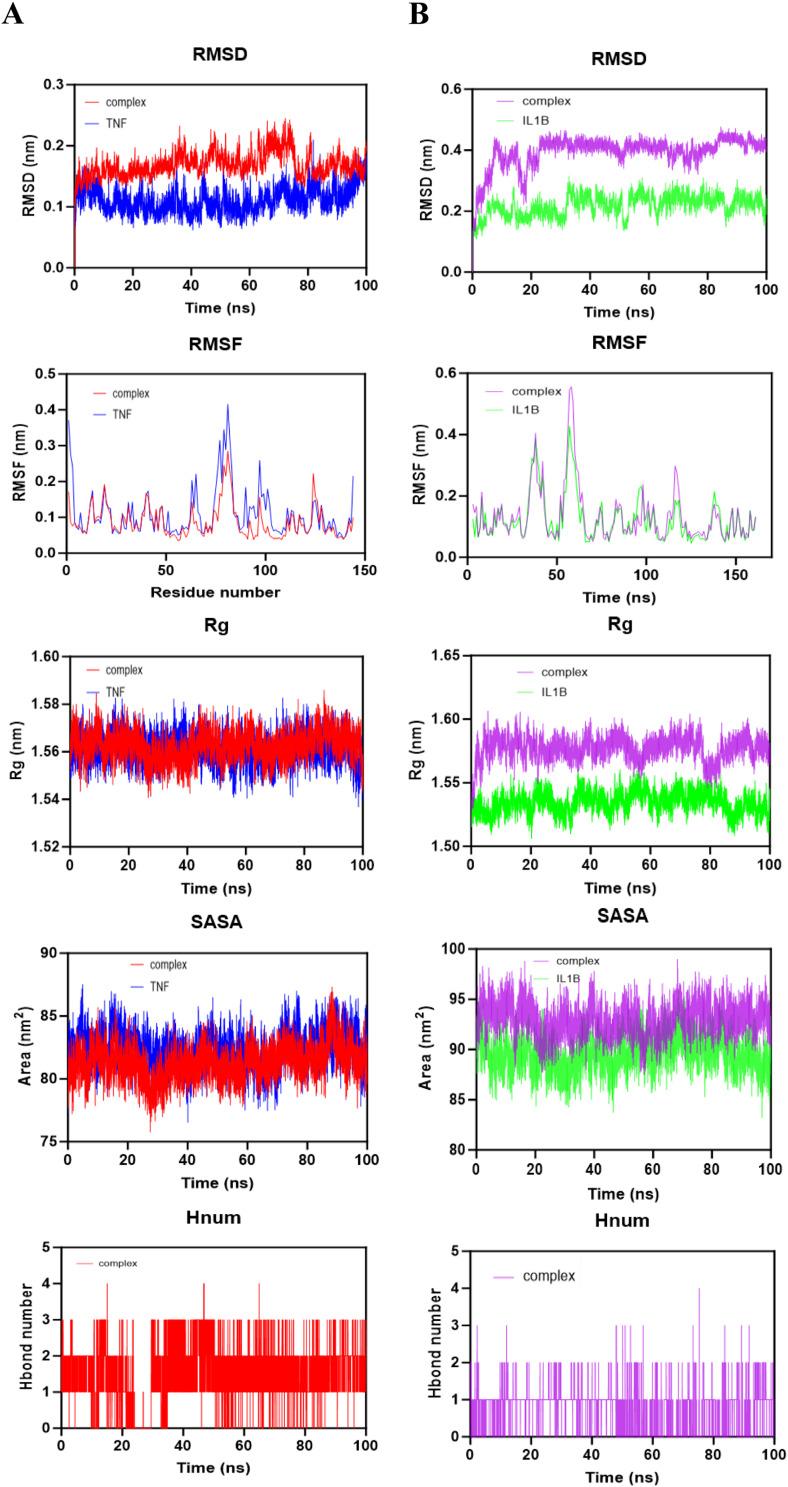
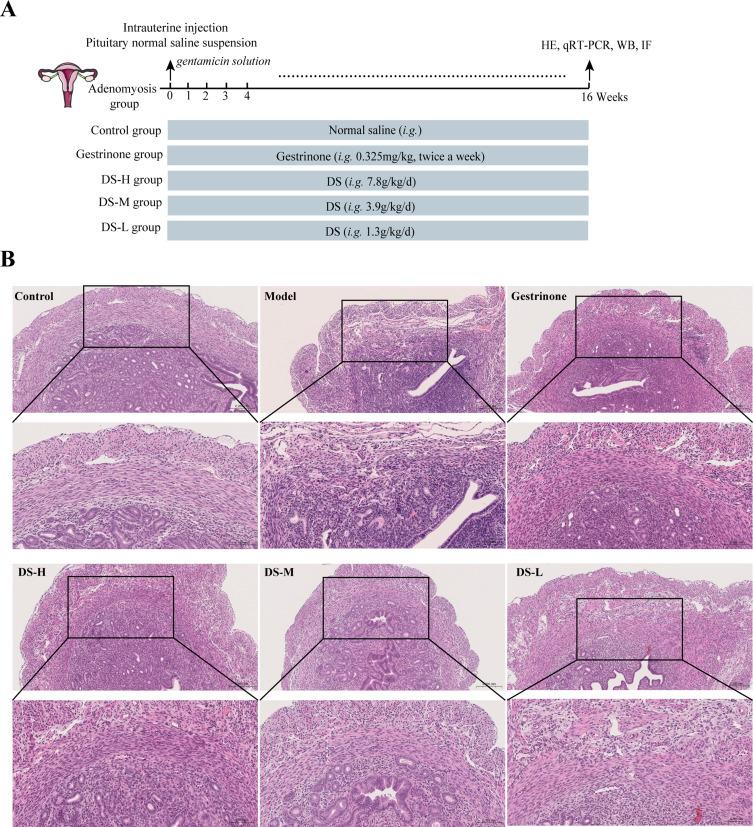
Thirty-five potential bioactive components from ingredients absorbed into the bloodstream (IAIBs) of DS were identified. Network pharmacology predicted that DS might exert therapeutic effects on adenomyosis by modulating the TNF-α/IL-17/HIF-1α signaling pathways through key targets, including . Molecular docking demonstrated that the active components have strong affinities with these core targets. Transcriptomic profiling identified and as key therapeutic targets in DS-adenomyosis. Molecular dynamics simulations exhibited that the active components form stable conformations with the inflammation-related therapeutic targets TNF and IL-1β. In vivo showed that DS significantly improved pathological changes in adenomyosis mice by haematoxylin-eosin staining. Molecular assays demonstrated that DS decreased mRNA and protein expression of TNF-α, IL-17A, IL-1β, and HIF-1α.
CONCLUSION
This study initially emphasizes the potential of DS in addressing adenomyosis by concurrently targeting an anti-inflammatory network involving the TNF-α/HIF-1α/IL-17 signaling pathways, supporting its development as a phytotherapeutic agent.
背景
子宫腺肌病是一种慢性炎症性妇科疾病,与生育能力下降密切相关,在药物治疗方面面临重大挑战。丹参(DS)是一种具有抗炎特性的传统中药,已显示出对多个器官系统慢性炎症性疾病的治疗效果。然而,其治疗子宫腺肌病的机制尚不清楚。
方法
采用超高效液相色谱联用Q Exactive™ HF-X质谱(UPLC-QE-MS)鉴定丹参的成分。从多个数据库中鉴定丹参治疗子宫腺肌病的靶点,并构建蛋白质-蛋白质相互作用(PPI)网络。使用Cytoscape的MCODE和CytoNCA插件通过模块分析鉴定核心靶基因。使用基因本体论(GO)和京都基因与基因组百科全书(KEGG)对核心靶基因进行功能分析,随后进行分子对接、转录组学验证和分子动力学模拟。通过蛋白质免疫印迹法(Western blotting)、实时定量聚合酶链反应(qRT-PCR)和免疫荧光法(IF)验证预测的靶点和通路。
结果
鉴定出35种来自丹参吸收入血成分(IAIBs)的潜在生物活性成分。网络药理学预测丹参可能通过关键靶点调节肿瘤坏死因子-α(TNF-α)/白细胞介素-17(IL-17)/缺氧诱导因子-1α(HIF-1α)信号通路,从而对子宫腺肌病发挥治疗作用。分子对接表明活性成分与这些核心靶点具有很强的亲和力。转录组分析确定了[具体基因1]和[具体基因2]为丹参-子宫腺肌病中的关键治疗靶点。分子动力学模拟显示活性成分与炎症相关治疗靶点TNF和IL-1β形成稳定构象。体内实验通过苏木精-伊红染色显示丹参显著改善子宫腺肌病小鼠的病理变化。分子检测表明丹参降低了TNF-α、IL-17A、IL-1β和HIF-1α的mRNA和蛋白表达。
结论
本研究初步强调了丹参通过同时靶向涉及TNF-α/HIF-1α/IL-17信号通路的抗炎网络来治疗子宫腺肌病的潜力,支持其作为一种植物治疗剂的开发。



 Zotero 插件