
从黄瓜叶中分离的粘红酵母内生菌提取物的抗菌及伤口愈合活性研究
Investigation of antibacterial and wound healing activities of the extract of Rhodotorula mucilaginosa endophyte isolated from cucumber leaves.
作者信息
Eliwa Duaa, El-Bouseary Maisra M, Farghali Mahmoud H, El-Masry Thanaa A, Ragab Amany E
机构信息
Department of Pharmacognosy, Faculty of Pharmacy, Tanta University, Tanta, Egypt.
Department of Microbiology and Immunology, Faculty of Pharmacy, Tanta University, Tanta, Egypt.
出版信息
Sci Rep. 2025 Aug 28;15(1):31730. doi: 10.1038/s41598-025-16234-8.
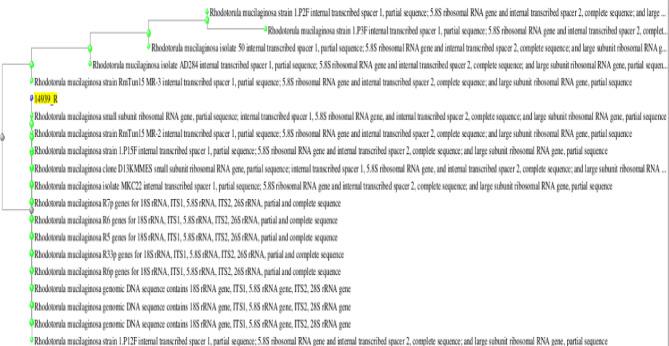
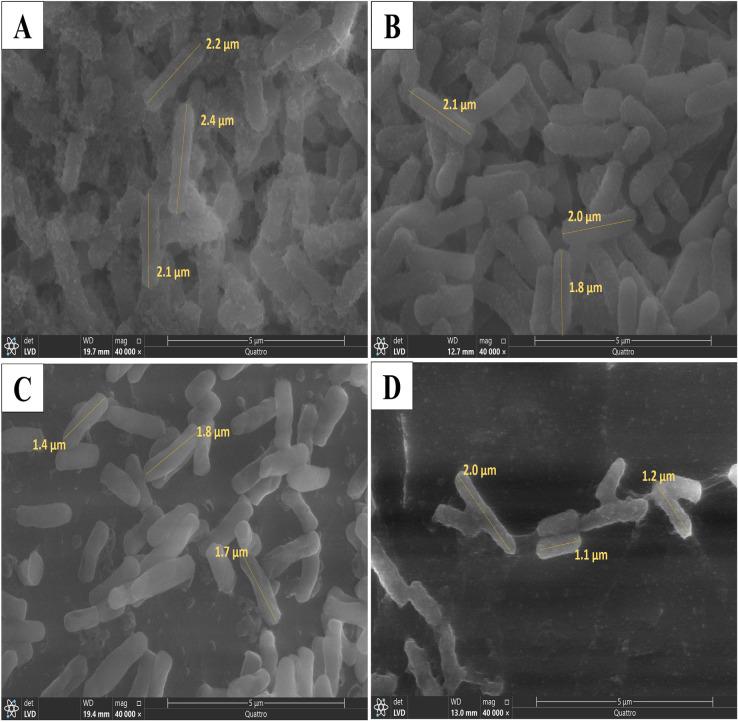
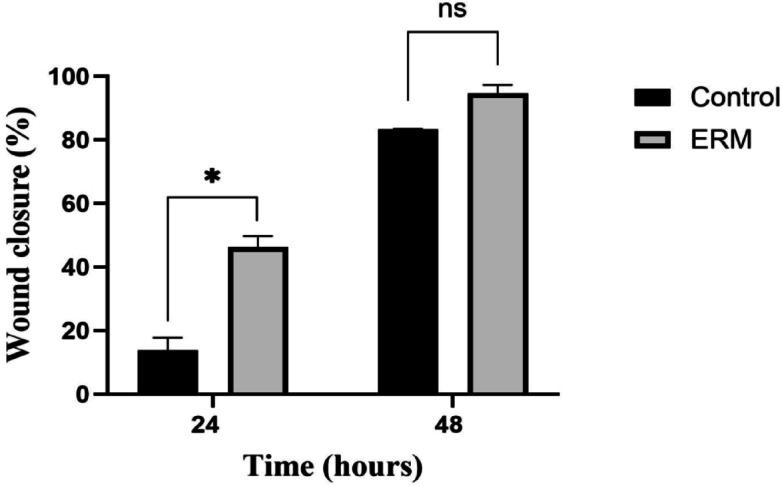
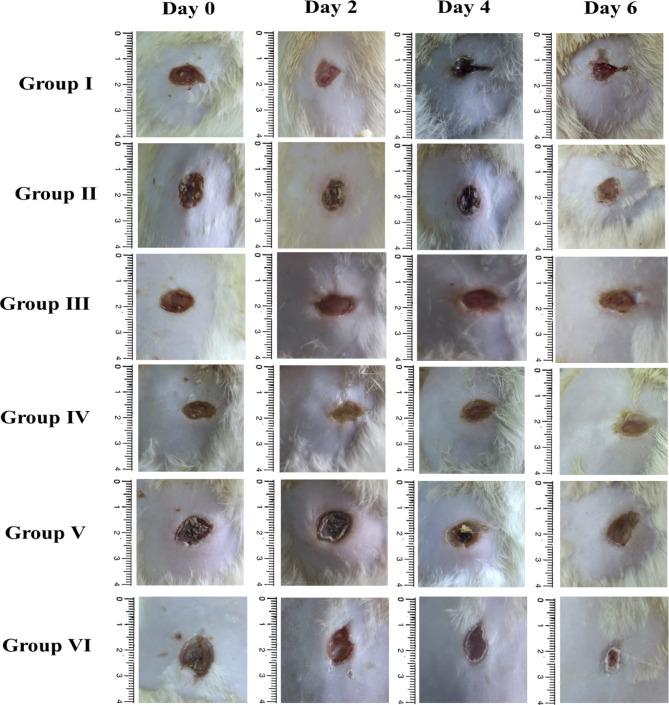
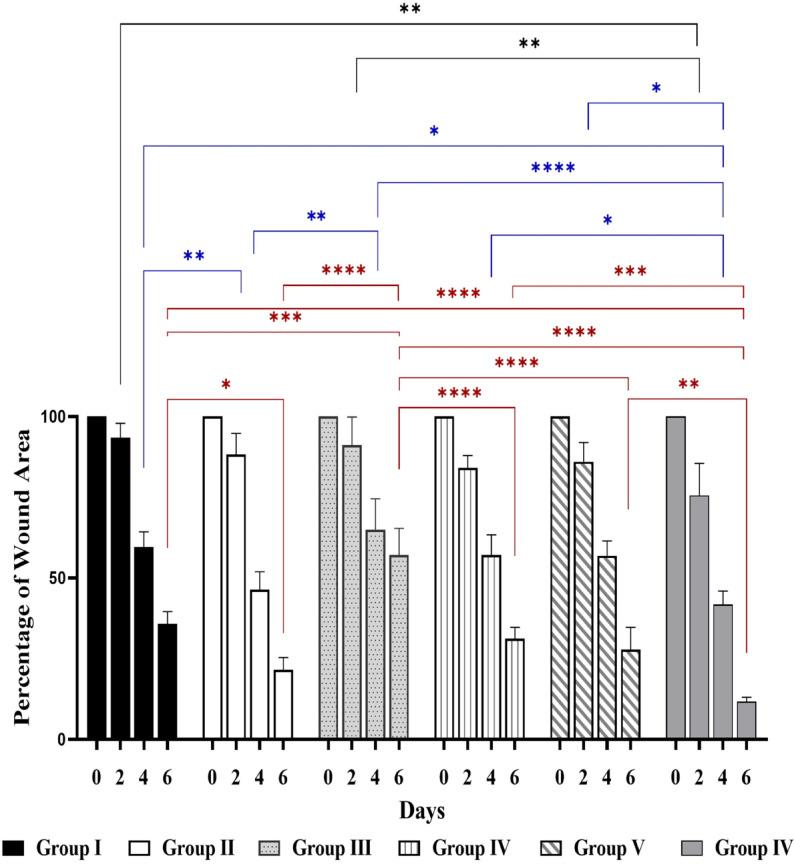
Endophytic fungi represent a reservoir of pharmacologically essential secondary metabolites. The current study focused on the antibacterial properties of the endophytic yeast-like fungus Rhodotorula mucilaginosa (R. mucilaginosa) isolated for the first time from Cucumis sativus (cucumber) leaves. After isolation, R. mucilaginosa was identified by 18S rRNA gene sequencing and was cultured on Asian rice for production of fungal metabolites. Then, its phytochemical profile was elucidated using LC-HRESI-MS/MS technique to reveal 22 compounds which are mainly carotenoids and fatty acids in nature. Dried ethyl acetate extract of R. mucilaginosa was tested for antimicrobial activity against Pseudomonas aeruginosa isolates. The extract of R. mucilaginosa (ERM) showed minimum inhibitory concentrations with a range from 64 to 512 µg/mL. The crystal violet assay was utilized to determine the effect of ERM on the tested isolates' ability to produce biofilms. The percentage of strong biofilm-forming isolates dropped from 20 to 3.3% and 10%, respectively, after the treatment with ½ and ¼ MICs of ERM. When tested isolates of P. aeruginosa were exposed to sub-MICs of ERM, their cell size significantly decreased, and their biofilm matrix was reduced. The in vitro anti-inflammatory activity of ERM was supported by the marked decrease in TNF-α gene expression in the cells treated with either ERM or piroxicam compared to the control cells. The wound healing effect of ERM was investigated in vitro, where ERM showed improvement in the wound healing process. In addition, the wound healing effect of ERM was investigated in vivo using a model of infection in rats, where the wounds were infected with P. aeruginosa. The histological investigation of the wound showed a remarkable improvement in the group treated with ERM. Therefore, further investigation is required to explore the possible application of ERM as a potential antibacterial agent, which could aid in our fight against pathogenic microbes that have become resistant.
内生真菌是药理学上重要的次生代谢产物的一个来源。当前的研究聚焦于首次从黄瓜叶片中分离出的内生酵母样真菌粘红酵母(Rhodotorula mucilaginosa,R. mucilaginosa)的抗菌特性。分离后,通过18S rRNA基因测序鉴定了粘红酵母,并将其在亚洲水稻上培养以生产真菌代谢产物。然后,使用液相色谱-高分辨电喷雾电离串联质谱(LC-HRESI-MS/MS)技术阐明其植物化学特征,以揭示22种主要为类胡萝卜素和脂肪酸的化合物。测试了粘红酵母的干燥乙酸乙酯提取物对铜绿假单胞菌分离株的抗菌活性。粘红酵母提取物(ERM)的最低抑菌浓度范围为64至512μg/mL。利用结晶紫测定法来确定ERM对受试分离株形成生物膜能力的影响。在用ERM的1/2和1/4最低抑菌浓度处理后,强生物膜形成分离株的百分比分别从20%降至3.3%和10%。当受试的铜绿假单胞菌分离株暴露于ERM的亚最低抑菌浓度时,它们的细胞大小显著减小,其生物膜基质减少。与对照细胞相比,用ERM或吡罗昔康处理的细胞中肿瘤坏死因子-α(TNF-α)基因表达显著降低,这支持了ERM的体外抗炎活性。在体外研究了ERM的伤口愈合作用,其中ERM显示出伤口愈合过程有所改善。此外,使用大鼠感染模型在体内研究了ERM的伤口愈合作用,在该模型中伤口被铜绿假单胞菌感染。伤口的组织学检查显示,用ERM处理的组有显著改善。因此,需要进一步研究以探索ERM作为潜在抗菌剂的可能应用,这可能有助于我们对抗已产生耐药性的致病微生物。




 Zotero 插件