
通过调节自噬提高声动力疗法的疗效。
Enhancing the efficacy of sonodynamic therapy through modulation of autophagy.
作者信息
Wang Meng-Ying, Deng Xiang-Nan, Dong Hao, Feng Xiao-Ying, Zhu Fu-Rong, Yin Dan, Hong Chen, Chen Zhi-Yuan, Wang Ling, Zhu Xiao-Ming
机构信息
State Key Laboratory of Quality Research in Chinese Medicines & Faculty of Chinese Medicine, Macau University of Science and Technology, Taipa, Macau SAR 999078, China.
State Key Laboratory of Quality Research in Chinese Medicines & School of Pharmacy, Faculty of Medicine, Macau University of Science and Technology, Macau SAR 999078, China.
出版信息
Ultrason Sonochem. 2025 Aug 25;121:107527. doi: 10.1016/j.ultsonch.2025.107527.
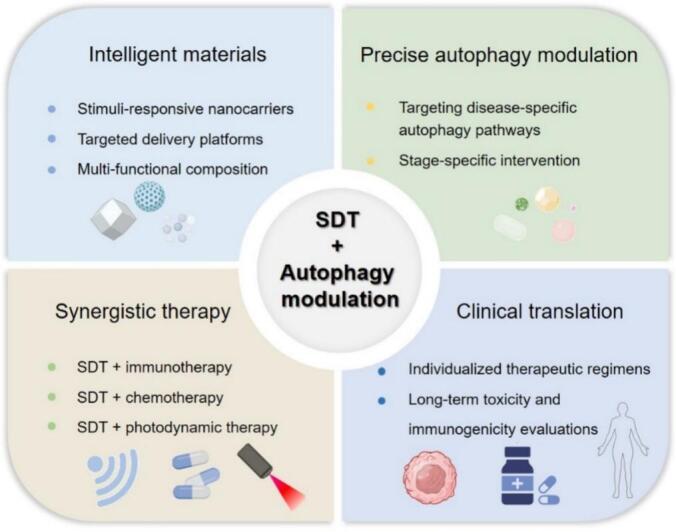
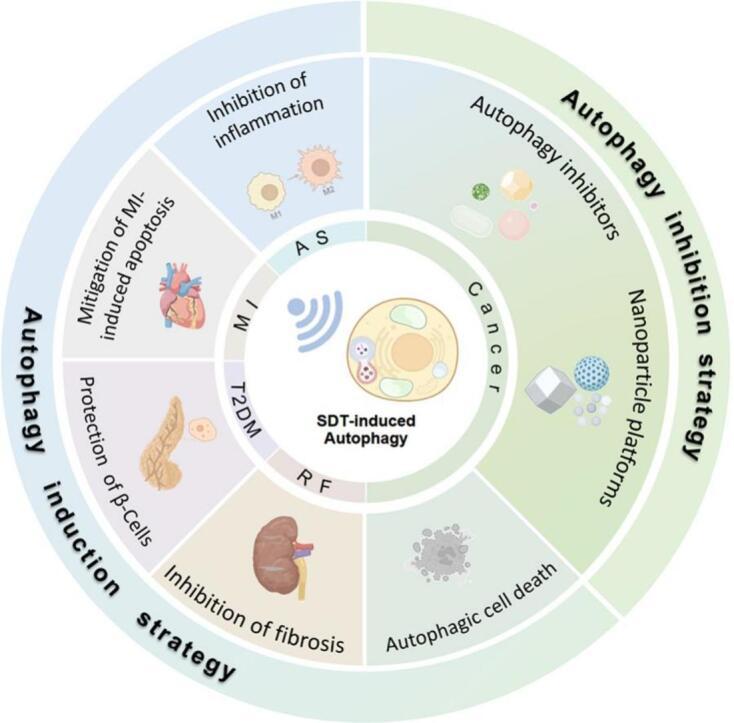
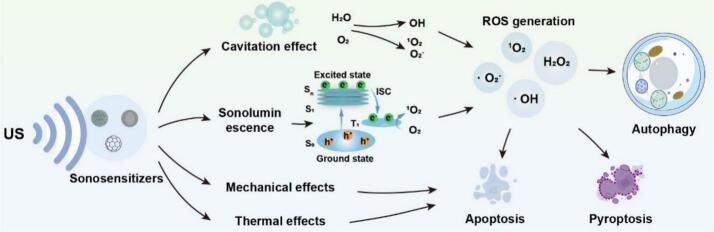
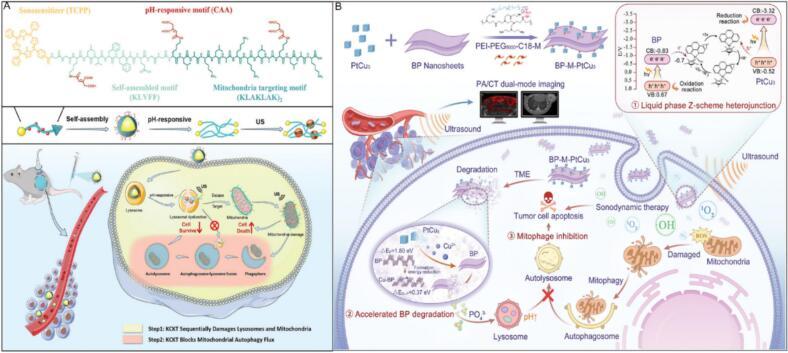
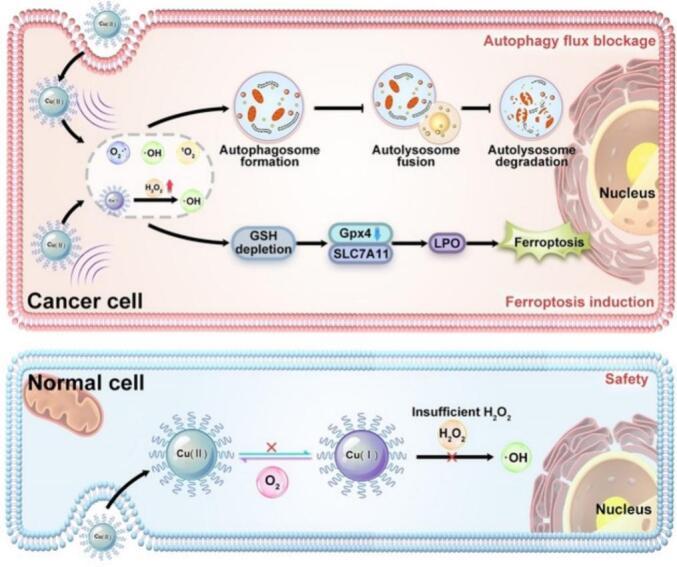
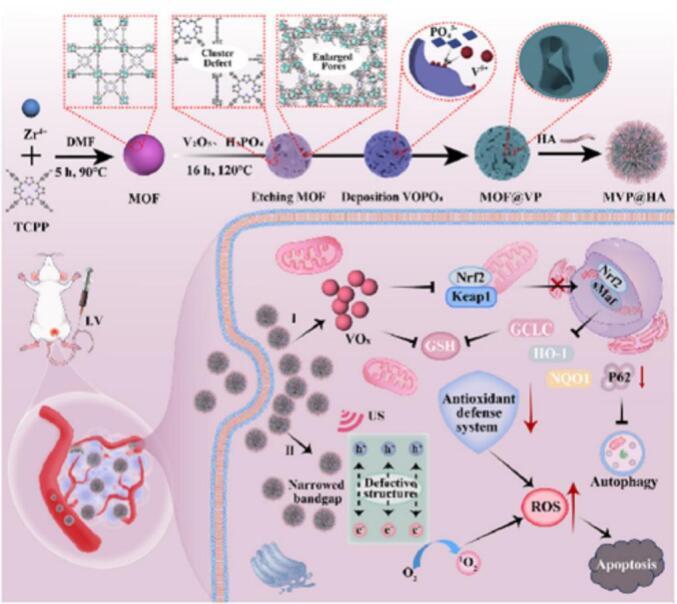
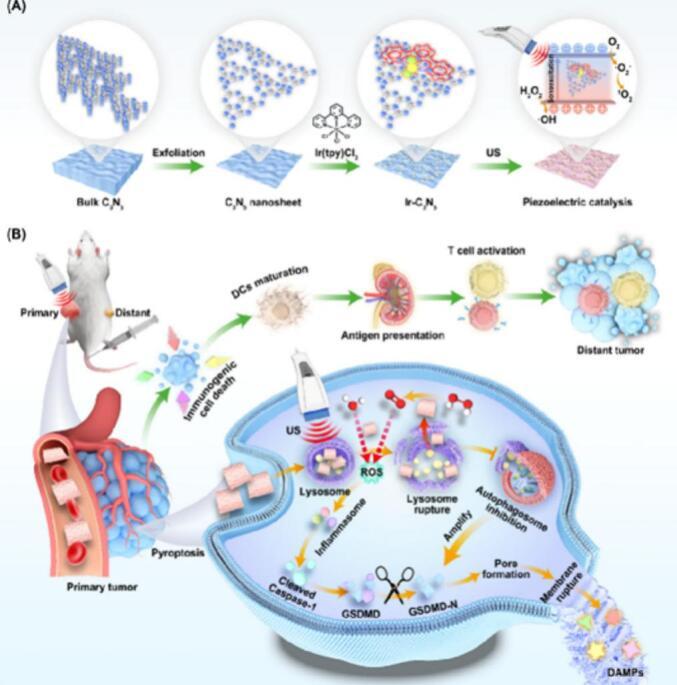
Sonodynamic therapy (SDT), a noninvasive treatment modality that combines low intensity ultrasound with sonosensitizers, has shown significant potential in the treatment of cancer and metabolic diseases. However, SDT induced autophagy plays a dual role in disease progression, as it can promote either cell survival or cell death, and its effects are highly dependent on cell type and pathological context. This complexity underscores the urgent need for regulation of autophagy to optimize the therapeutic efficacy of SDT. Therefore, this review summarizes emerging regulatory strategies aimed at enhancing SDT efficacy through the induction or inhibition of autophagy. These encompass pharmacological approaches utilizing classic autophagy inhibitors/inducers, as well as nanomaterial-based strategies involving the design of nanocarriers or smart nano-sonosensitizers endowed with capabilities for targeted delivery and stimuli-responsive release. This review aims to provide a comprehensive theoretical framework for understanding the dual roles of autophagy in SDT and for achieving its precise and efficient regulation, thereby offering valuable insights for the development of more effective SDT based therapeutic strategies.
声动力疗法(SDT)是一种将低强度超声与声敏剂相结合的非侵入性治疗方式,在癌症和代谢性疾病的治疗中已显示出巨大潜力。然而,SDT诱导的自噬在疾病进展中发挥着双重作用,因为它既可以促进细胞存活,也可以导致细胞死亡,其作用高度依赖于细胞类型和病理背景。这种复杂性凸显了迫切需要对自噬进行调控以优化SDT的治疗效果。因此,本综述总结了旨在通过诱导或抑制自噬来提高SDT疗效的新兴调控策略。这些策略包括利用经典自噬抑制剂/诱导剂的药理学方法,以及基于纳米材料的策略,涉及设计具有靶向递送和刺激响应释放能力的纳米载体或智能纳米声敏剂。本综述旨在提供一个全面的理论框架,以理解自噬在SDT中的双重作用,并实现其精确有效的调控,从而为开发更有效的基于SDT的治疗策略提供有价值的见解。


 Zotero 插件