
胰高血糖素样肽-1受体激动剂:演变、胃肠道不良反应及未来方向。
Glucagon-like peptide-1 receptor agonists: Evolution, gastrointestinal adverse effects, and future directions.
作者信息
Ismail Alaa, Amer Mohab Sherif, Tawheed Ahmed
机构信息
Faculty of Medicine, Helwan University, Cairo 11795, Egypt.
Department of Gastroenterology, Firat University, Elazig 23119, Türkiye.
出版信息
World J Gastrointest Pharmacol Ther. 2025 Sep 5;16(3):107148. doi: 10.4292/wjgpt.v16.i3.107148.
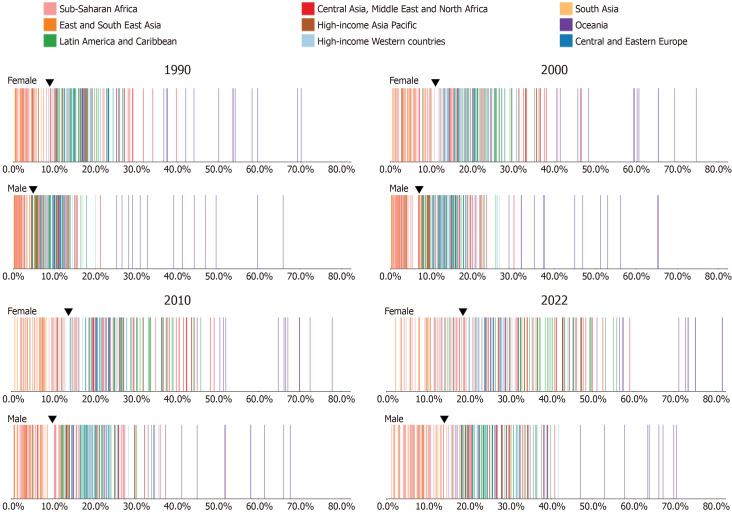
Obesity is a global pandemic that has been threatening the worldwide population. It has been reported to be associated with an increase in the risk of chronic diseases such as type 2 diabetes mellitus (T2DM), cardiovascular disease, and other diseases, including some malignancies. Currently, the first line of management includes lifestyle modifications. However, recently, bariatric surgeries were introduced to combat obesity. The previous modalities of management are always challenging since lifestyle could have limited long-term effectiveness and difficulty to achieve, and surgeries are invasive and also require a lifestyle modification and commitment. Glucagon-like peptide-1 receptor agonists (GLP-1RAs) were initially introduced as a rising star for managing T2DM, with patients benefiting from the control of blood sugar and weight loss. These medications work by enhancing feelings of fullness, slowing down digestion, and ultimately reducing calorie intake. However, GLP-1RAs are not without side effects and have some costs. Common side effects include gastrointestinal (GI) adverse events such as nausea, vomiting, diarrhea, and a lack of GI motility, which is the main mechanism through which the drug induces a feeling of fullness and promotes weight loss, potentially resulting in treatment discontinuation. More serious, though less frequent, risks include pancreatitis, gallbladder diseases, and, rarely, thyroid C-cell cancers. This review aimed to discuss the globally emerging role of GLP-1RAs in obesity management and highlight some safety considerations for patients taking these drugs.
肥胖是一种全球性的流行病,一直在威胁着全球人口。据报道,它与2型糖尿病(T2DM)、心血管疾病等慢性疾病以及包括某些恶性肿瘤在内的其他疾病的风险增加有关。目前,一线治疗方法包括生活方式的改变。然而,最近引入了减肥手术来对抗肥胖。以前的治疗方式总是具有挑战性,因为生活方式可能长期效果有限且难以实现,而手术具有侵入性,也需要改变生活方式并做出承诺。胰高血糖素样肽-1受体激动剂(GLP-1RAs)最初作为治疗T2DM的一颗新星被引入,患者受益于血糖控制和体重减轻。这些药物通过增强饱腹感、减缓消化并最终减少卡路里摄入量来发挥作用。然而,GLP-1RAs并非没有副作用,而且有一些成本。常见的副作用包括胃肠道(GI)不良事件,如恶心、呕吐、腹泻和胃肠动力不足,这是药物诱导饱腹感并促进体重减轻的主要机制,可能导致治疗中断。更严重但不太常见的风险包括胰腺炎、胆囊疾病,以及罕见的甲状腺C细胞癌。本综述旨在讨论GLP-1RAs在肥胖管理中全球范围内日益凸显的作用,并强调服用这些药物的患者的一些安全注意事项。

 Zotero 插件