
在二维和三维三阴性乳腺癌模型中靶向表皮生长因子受体/胰岛素样生长因子-1受体功能串扰以评估肿瘤进展
Targeting EGFR/IGF-IR Functional Crosstalk in 2D and 3D Triple-Negative Breast Cancer Models to Evaluate Tumor Progression.
作者信息
Kremmydas Spyros, Gourdoupi Chrisavgi, Piperigkou Zoi, Karamanos Nikos K
机构信息
Biochemistry, Biochemical Analysis & Matrix Pathobiology Research Group, Laboratory of Biochemistry, Department of Chemistry, University of Patras, 26504 Patras, Greece.
出版信息
Int J Mol Sci. 2025 Sep 5;26(17):8665. doi: 10.3390/ijms26178665.
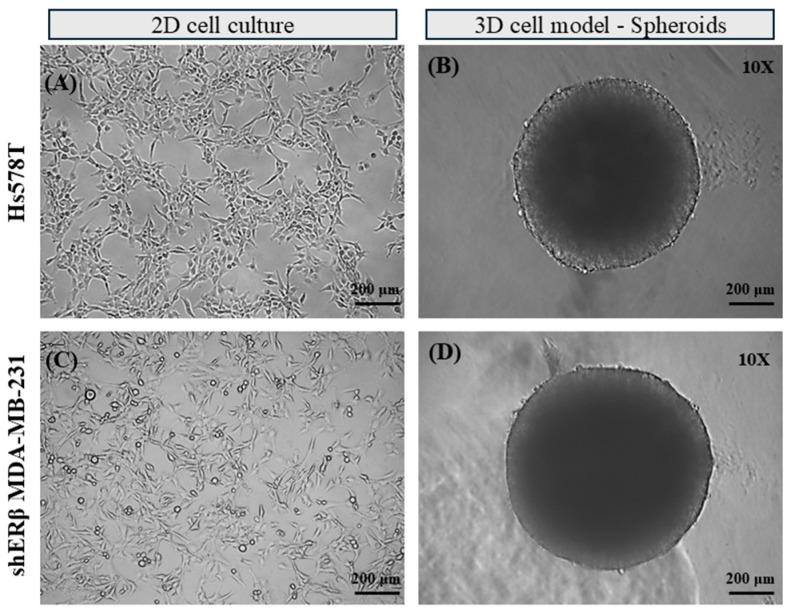
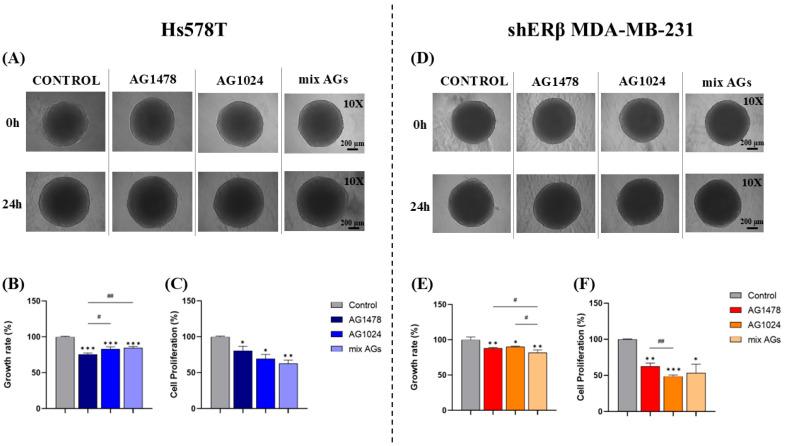
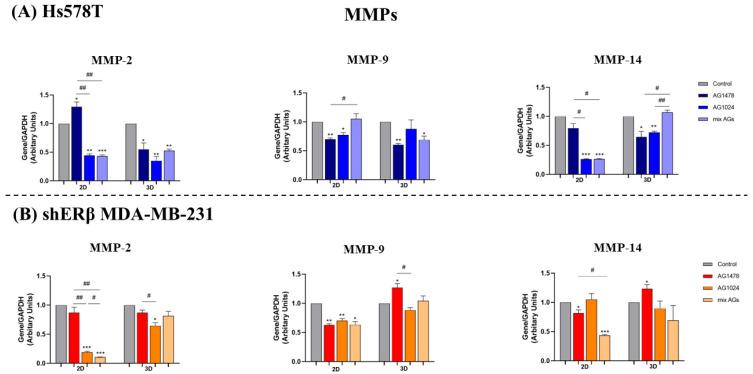
Breast cancer is the most prevalent solid tumor diagnosed in women worldwide, remaining a leading cause of cancer-related mortality. Among its subtypes, triple-negative breast cancer (TNBC) is characterized by high aggressiveness and heterogeneity, accounting for approximately 90% of breast cancer-related deaths. Receptor tyrosine kinases (RTKs), such as epidermal growth factor receptor (EGFR) and the insulin-like growth factor I receptor (IGF-IR), are critical cell growth and survival regulators, with their dysregulation closely related to therapy resistance in breast cancer. Studies on RTK targeting have shown promise, and recently attention has shifted toward developing more physiologically relevant preclinical models. Unlike traditional two-dimensional (2D) cell cultures, 3D models such as spheroids better mimic the complex nature of the tumor microenvironment (TME), offering a more accurate representation of tumor behavior and progression. This study utilized both 2D and 3D culture models to assess the effects of EGFR and IGF-IR inhibition, individually and in combination, in two TNBC cell lines with distinct metastatic potential. The results demonstrate that both receptors play critical roles in regulating key cellular functions, including migration, expression of epithelial-to-mesenchymal transition (EMT) markers and matrix metalloproteinases (MMPs). The use of 3D spheroid models enabled the evaluation of additional functional properties, such as spheroid growth and dissemination, revealing treatment-dependent responses to combined receptor inhibition. Overall, this dual-model approach underscores the importance of incorporating 3D culture systems in preclinical cancer research and provides new insights into the regulatory roles of EGFR and IGF-IR in TNBC progression.
乳腺癌是全球女性中诊断出的最常见实体瘤,仍然是癌症相关死亡的主要原因。在其亚型中,三阴性乳腺癌(TNBC)具有高侵袭性和异质性的特点,约占乳腺癌相关死亡的90%。受体酪氨酸激酶(RTK),如表皮生长因子受体(EGFR)和胰岛素样生长因子I受体(IGF-IR),是关键的细胞生长和存活调节因子,其失调与乳腺癌的治疗耐药性密切相关。针对RTK的研究已显示出前景,最近注意力已转向开发更具生理相关性的临床前模型。与传统的二维(2D)细胞培养不同,诸如球体等三维模型能更好地模拟肿瘤微环境(TME)的复杂性质,更准确地呈现肿瘤行为和进展。本研究利用2D和3D培养模型,分别单独以及联合评估EGFR和IGF-IR抑制对两种具有不同转移潜能的TNBC细胞系的影响。结果表明,这两种受体在调节关键细胞功能方面都发挥着关键作用,包括迁移、上皮-间质转化(EMT)标志物和基质金属蛋白酶(MMPs)的表达。使用3D球体模型能够评估其他功能特性,如球体生长和扩散,揭示了对联合受体抑制的治疗依赖性反应。总体而言,这种双模型方法强调了在临床前癌症研究中纳入3D培养系统的重要性,并为EGFR和IGF-IR在TNBC进展中的调节作用提供了新见解。



 Zotero 插件