
神经肽在急性和慢性酒精适应反应中的差异作用:秀丽隐杆线虫的行为和遗传分析。
A differential role for neuropeptides in acute and chronic adaptive responses to alcohol: behavioural and genetic analysis in Caenorhabditis elegans.
机构信息
School of Biological Sciences, University of Southampton, Southampton, United Kingdom.
出版信息
PLoS One. 2010 May 3;5(5):e10422. doi: 10.1371/journal.pone.0010422.
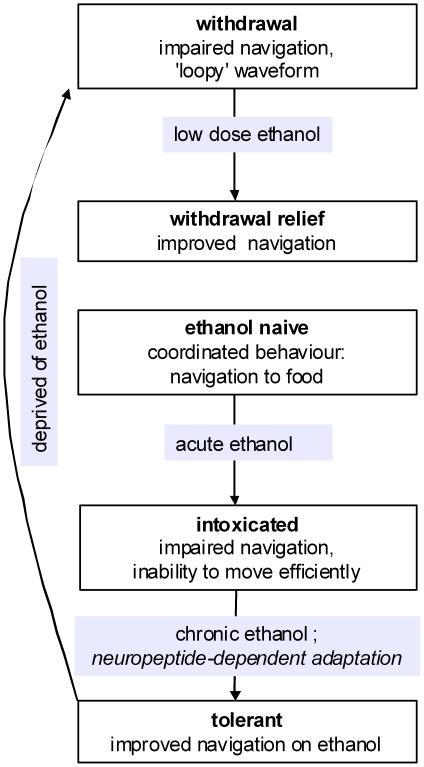
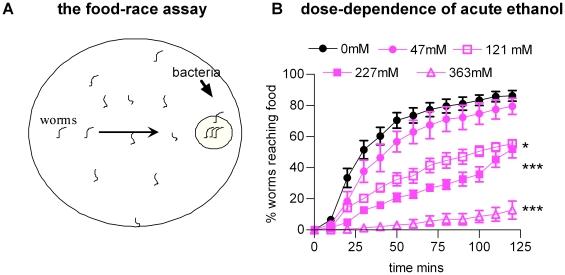
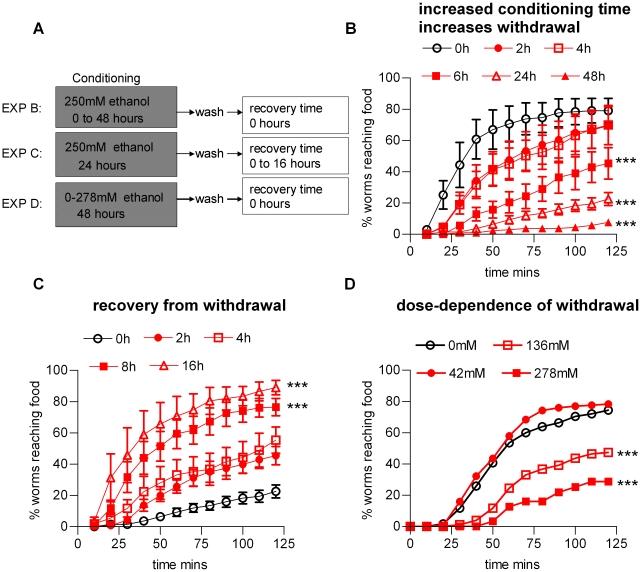
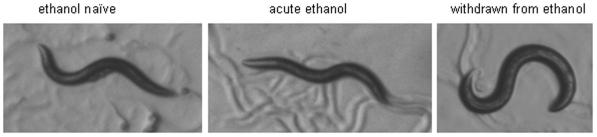
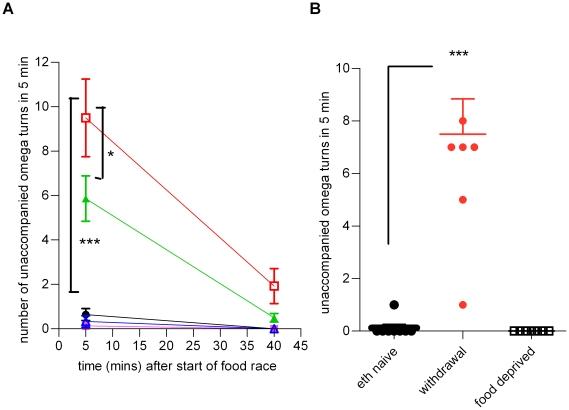
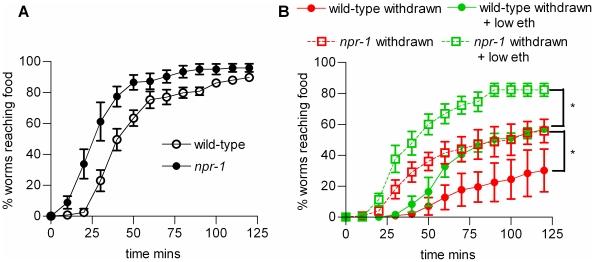
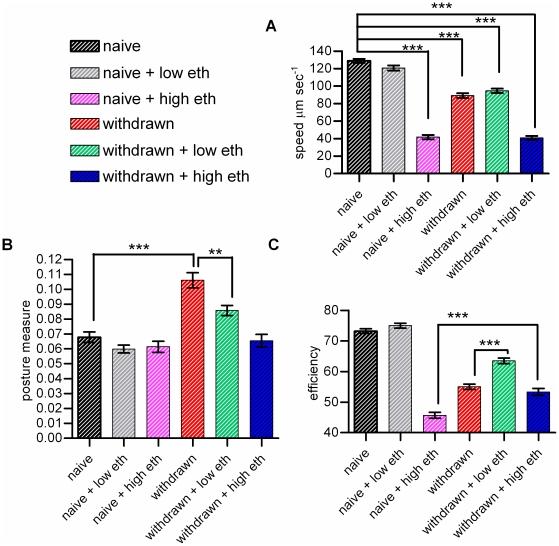
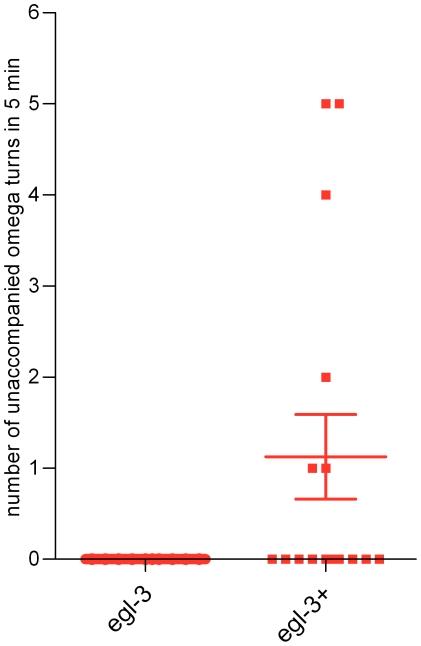
Prolonged alcohol consumption in humans followed by abstinence precipitates a withdrawal syndrome consisting of anxiety, agitation and in severe cases, seizures. Withdrawal is relieved by a low dose of alcohol, a negative reinforcement that contributes to alcohol dependency. This phenomenon of 'withdrawal relief' provides evidence of an ethanol-induced adaptation which resets the balance of signalling in neural circuits. We have used this as a criterion to distinguish between direct and indirect ethanol-induced adaptive behavioural responses in C. elegans with the goal of investigating the genetic basis of ethanol-induced neural plasticity. The paradigm employs a 'food race assay' which tests sensorimotor performance of animals acutely and chronically treated with ethanol. We describe a multifaceted C. elegans 'withdrawal syndrome'. One feature, decrease reversal frequency is not relieved by a low dose of ethanol and most likely results from an indirect adaptation to ethanol caused by inhibition of feeding and a food-deprived behavioural state. However another aspect, an aberrant behaviour consisting of spontaneous deep body bends, did show withdrawal relief and therefore we suggest this is the expression of ethanol-induced plasticity. The potassium channel, slo-1, which is a candidate ethanol effector in C. elegans, is not required for the responses described here. However a mutant deficient in neuropeptides, egl-3, is resistant to withdrawal (although it still exhibits acute responses to ethanol). This dependence on neuropeptides does not involve the NPY-like receptor npr-1, previously implicated in C. elegans ethanol withdrawal. Therefore other neuropeptide pathways mediate this effect. These data resonate with mammalian studies which report involvement of a number of neuropeptides in chronic responses to alcohol including corticotrophin-releasing-factor (CRF), opioids, tachykinins as well as NPY. This suggests an evolutionarily conserved role for neuropeptides in ethanol-induced plasticity and opens the way for a genetic analysis of the effects of alcohol on a simple model system.
长期饮酒后戒断会引发戒断综合征,包括焦虑、躁动,严重情况下还会出现癫痫。低剂量的酒精可以缓解戒断症状,这种负强化作用导致了酒精依赖。这种“戒断缓解”现象为乙醇诱导的适应性提供了证据,这种适应性重置了神经回路信号传递的平衡。我们利用这一现象作为标准,区分秀丽隐杆线虫中乙醇直接和间接诱导的适应性行为反应,目的是研究乙醇诱导的神经可塑性的遗传基础。该范式采用“食物竞赛测定法”,对急性和慢性乙醇处理的动物的感觉运动性能进行测试。我们描述了秀丽隐杆线虫的多方面“戒断综合征”。一个特征是反转频率降低,不能被低剂量的乙醇缓解,很可能是由于进食抑制和饥饿行为状态导致的对乙醇的间接适应。然而,另一个方面,即自发的深度身体弯曲的异常行为,确实表现出戒断缓解,因此我们认为这是乙醇诱导可塑性的表现。钾通道 slo-1 是秀丽隐杆线虫中乙醇的候选效应因子,但在这里描述的反应中不需要 slo-1。然而,一种缺乏神经肽的突变体 egl-3 对戒断有抗性(尽管它仍然对乙醇表现出急性反应)。这种对神经肽的依赖不涉及先前在秀丽隐杆线虫乙醇戒断中涉及的 NPY 样受体 npr-1。因此,其他神经肽途径介导了这种效应。这些数据与哺乳动物研究相呼应,哺乳动物研究报告了许多神经肽参与慢性酒精反应,包括促肾上腺皮质释放因子(CRF)、阿片类物质、速激肽以及 NPY。这表明神经肽在乙醇诱导的可塑性中具有进化保守的作用,并为在简单的模型系统中研究酒精对神经肽的影响开辟了途径。





 Zotero 插件