
乙醇通过一种新机制,经由BK钾通道改变秀丽隐杆线虫的机械感觉习惯化。
Ethanol alters mechanosensory habituation in C. elegans by way of the BK potassium channel through a novel mechanism.
作者信息
Kokan Nikolas, Lin Conny, Luna Alvaro, Viliunas Joani, Rankin Catharine H
机构信息
Department of Psychology, University of British Columbia, Vancouver, British Columbia, Canada.
出版信息
PLoS One. 2025 Jun 11;20(6):e0315069. doi: 10.1371/journal.pone.0315069. eCollection 2025.
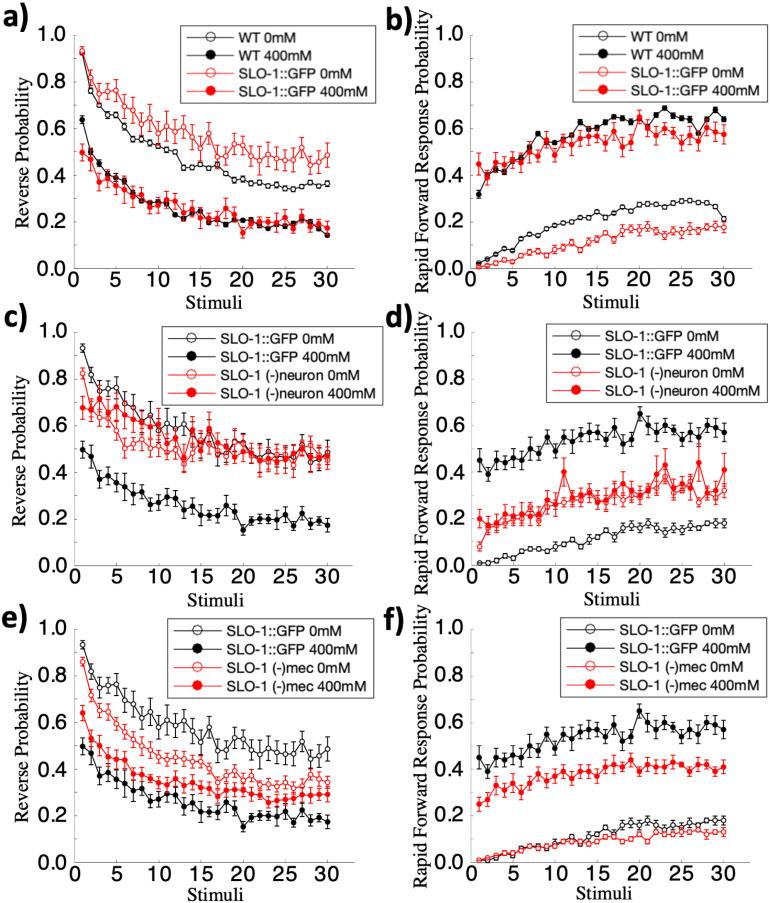
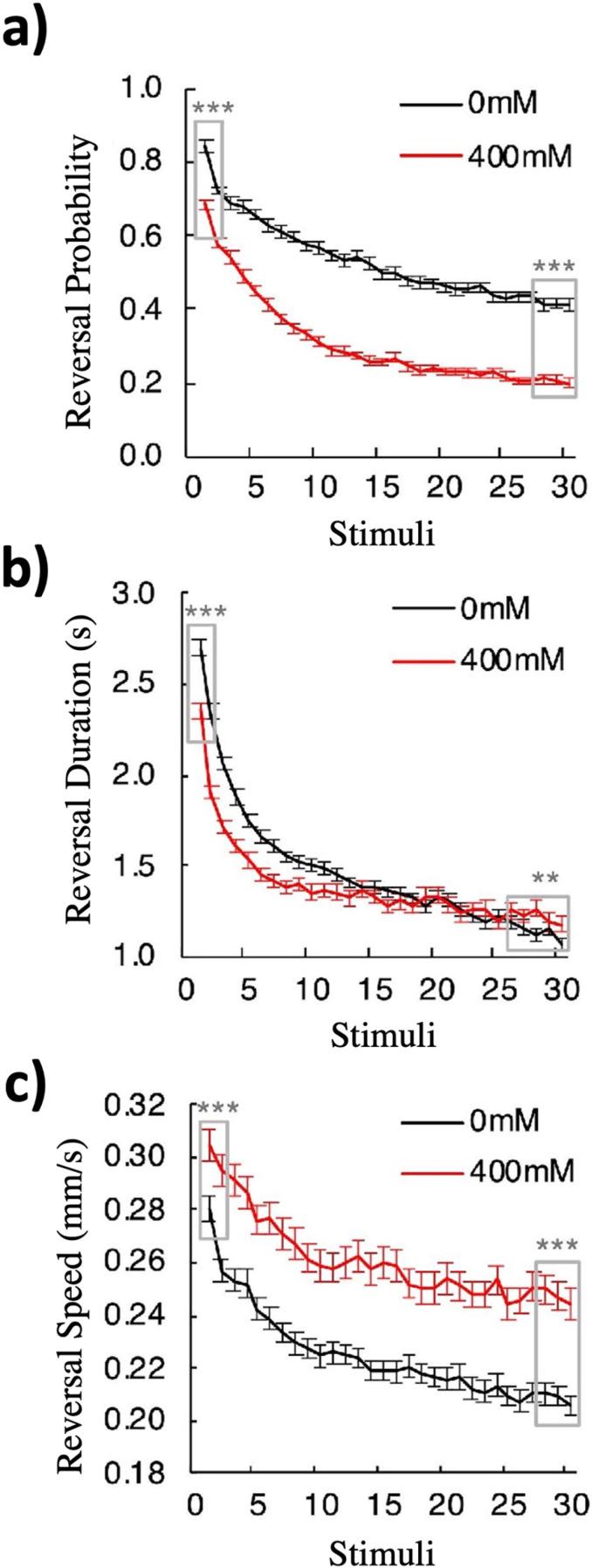
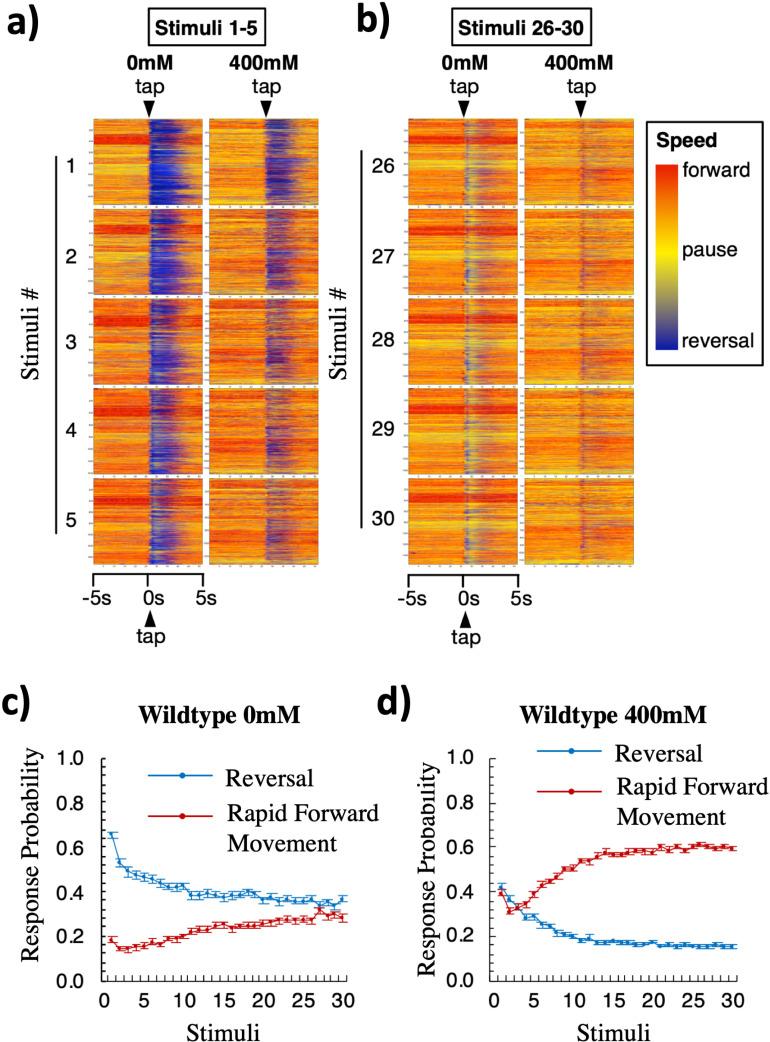
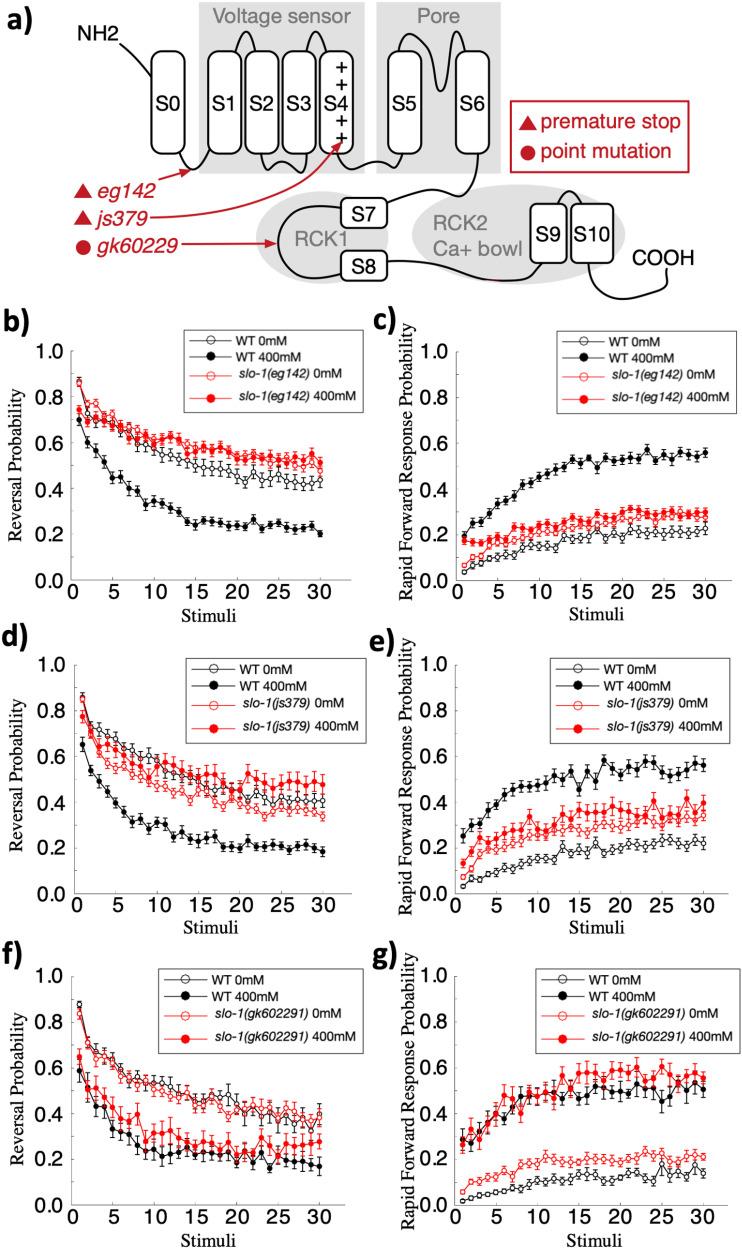
In this research, we investigated how alcohol modulates the simplest form of learning, habituation, in Caenorhabditis elegans. We used our high throughput Multi-Worm Tracker to conduct a large scale study of more than 21,000 wild-type worms to assess the effects of different concentrations of alcohol on habituation of the well-characterized tap withdrawal response. We found that the effect of alcohol on habituation of this reversal response to a repeated mechanosensory stimulus (taps) differed depending on the component of the reversal response assessed. Interestingly, when we examined habituation of response probability on and off alcohol we discovered that alcohol switched the predominant response to tap from a backward reversal to a brief forward movement. Because the large conductance potassium (BK) channel has been shown to be important for the effect of alcohol on behaviour in a variety of organisms, including C. elegans, we investigated whether the C. elegans BK channel ortholog, SLO-1, mediated the effects of alcohol on habituation. We tested several different strains of worms with mutations in slo-1 along with wild-type controls; null mutations in slo-1 made animals resistant to alcohol induced changes in habituation. However, a mutation in the putative ethanol binding site on SLO-1 did not disrupt the impact of ethanol on habituation. Finally, by degrading SLO-1 in different parts of the nervous system we found that the function of SLO-1 in ethanol's impact on habituation is likely distributed throughout the neural circuit that responds to tap. Based on these results, our main conclusions are 1) ethanol is not a general facilitator or inhibitor of habituation but rather a complex modulator, 2) SLO-1 is critical for the effect of ethanol on habituation, 3) ethanol is interacting (directly or indirectly) with SLO-1 through a novel unidentified mechanism to influence how animals respond to repeated taps.
在本研究中,我们探究了酒精如何调节秀丽隐杆线虫中最简单的学习形式——习惯化。我们使用高通量多线虫追踪仪对超过21000条野生型线虫进行了大规模研究,以评估不同浓度酒精对特征明确的轻敲撤离反应习惯化的影响。我们发现,酒精对这种对重复机械感觉刺激(轻敲)的反向反应习惯化的影响,取决于所评估的反向反应成分。有趣的是,当我们检查酒精作用下和无酒精情况下反应概率的习惯化时,我们发现酒精将对轻敲的主要反应从向后反转转变为短暂向前移动。因为大电导钾(BK)通道已被证明对酒精在包括秀丽隐杆线虫在内的多种生物体中的行为影响很重要,所以我们研究了秀丽隐杆线虫的BK通道直系同源物SLO-1是否介导了酒精对习惯化的影响。我们测试了几种slo-1发生突变的不同线虫品系以及野生型对照;slo-1的无效突变使动物对酒精诱导的习惯化变化产生抗性。然而,SLO-1上假定的乙醇结合位点的突变并未破坏乙醇对习惯化的影响。最后,通过在神经系统的不同部位降解SLO-1,我们发现SLO-1在乙醇对习惯化的影响中的功能可能分布在对轻敲做出反应的整个神经回路中。基于这些结果,我们的主要结论是:1)乙醇不是习惯化的一般促进剂或抑制剂,而是一种复杂的调节剂;2)SLO-1对乙醇对习惯化的影响至关重要;3)乙醇正通过一种新的未知机制(直接或间接)与SLO-1相互作用,以影响动物对重复轻敲的反应方式。

 Zotero 插件