
RNAi 筛选表明,翻译抑制导致的应激抵抗和寿命延长与 SKN-1 依赖的转录反应有关。
RNAi screening implicates a SKN-1-dependent transcriptional response in stress resistance and longevity deriving from translation inhibition.
机构信息
Joslin Diabetes Center, Harvard Stem Cell Institute, and Department of Pathology, Harvard Medical School, Boston, Massachusetts, USA.
出版信息
PLoS Genet. 2010 Aug 5;6(8):e1001048. doi: 10.1371/journal.pgen.1001048.
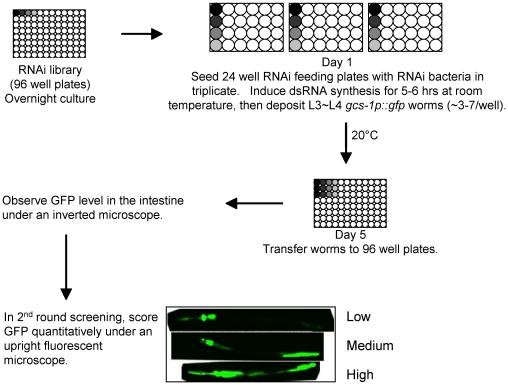
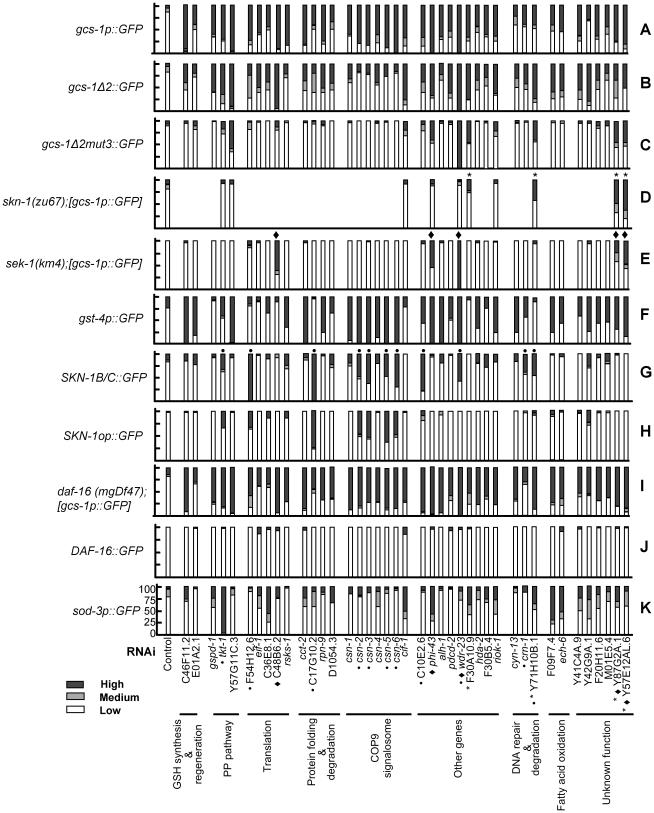
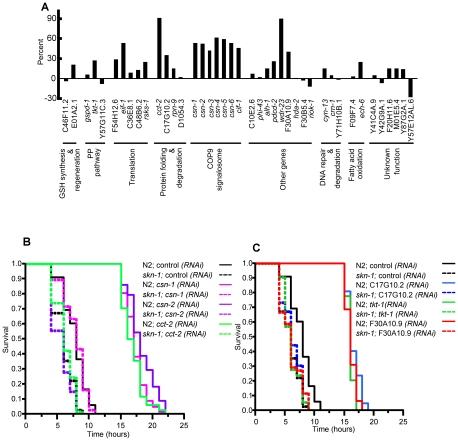
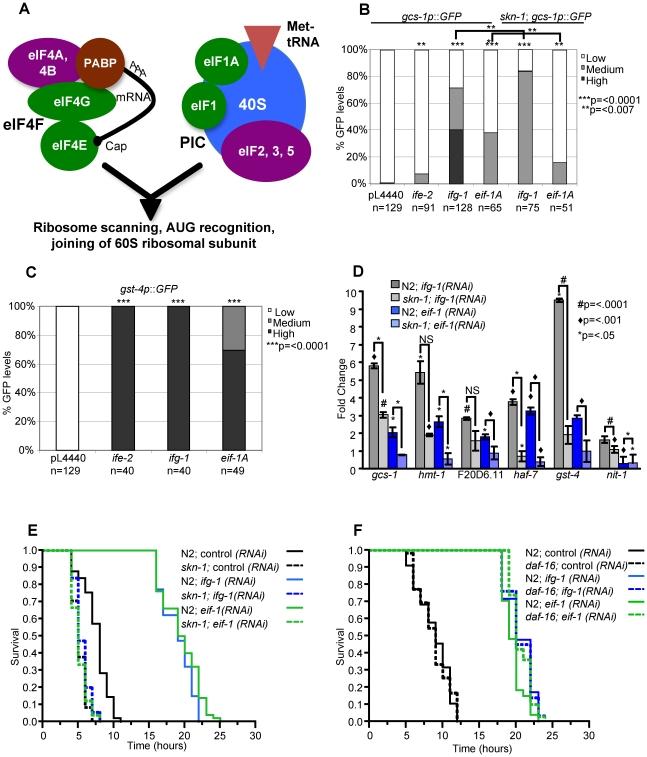
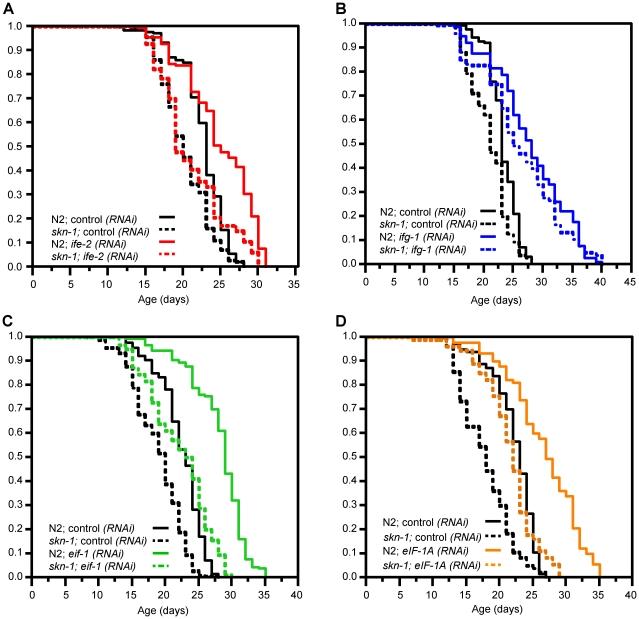
Caenorhabditis elegans SKN-1 (ortholog of mammalian Nrf1/2/3) is critical for oxidative stress resistance and promotes longevity under reduced insulin/IGF-1-like signaling (IIS), dietary restriction (DR), and normal conditions. SKN-1 inducibly activates genes involved in detoxification, protein homeostasis, and other functions in response to stress. Here we used genome-scale RNA interference (RNAi) screening to identify mechanisms that prevent inappropriate SKN-1 target gene expression under non-stressed conditions. We identified 41 genes for which knockdown leads to activation of a SKN-1 target gene (gcs-1) through skn-1-dependent or other mechanisms. These genes correspond to multiple cellular processes, including mRNA translation. Inhibition of translation is known to increase longevity and stress resistance and may be important for DR-induced lifespan extension. One model postulates that these effects derive from reduced energy needs, but various observations suggest that specific longevity pathways are involved. Here we show that translation initiation factor RNAi robustly induces SKN-1 target gene transcription and confers skn-1-dependent oxidative stress resistance. The accompanying increases in longevity are mediated largely through the activities of SKN-1 and the transcription factor DAF-16 (FOXO), which is required for longevity that derives from reduced IIS. Our results indicate that the SKN-1 detoxification gene network monitors various metabolic and regulatory processes. Interference with one of these processes, translation initiation, leads to a transcriptional response whereby SKN-1 promotes stress resistance and functions together with DAF-16 to extend lifespan. This stress response may be beneficial for coping with situations that are associated with reduced protein synthesis.
秀丽隐杆线虫 SKN-1(哺乳动物 Nrf1/2/3 的同源物)对于氧化应激抗性和在降低胰岛素/胰岛素样生长因子-1 样信号(IIS)、饮食限制(DR)和正常条件下延长寿命至关重要。SKN-1 可诱导激活参与解毒、蛋白质稳态和其他功能的基因,以响应应激。在这里,我们使用全基因组 RNA 干扰(RNAi)筛选来鉴定在非应激条件下防止 SKN-1 靶基因表达不当的机制。我们鉴定了 41 个基因,这些基因的敲低通过 skn-1 依赖性或其他机制导致 SKN-1 靶基因(gcs-1)的激活。这些基因对应于多个细胞过程,包括 mRNA 翻译。众所周知,抑制翻译会增加寿命和应激抗性,并且可能对 DR 诱导的寿命延长很重要。一种模型假设这些影响源自减少能量需求,但各种观察表明涉及特定的长寿途径。在这里,我们表明翻译起始因子 RNAi 可强烈诱导 SKN-1 靶基因转录,并赋予 skn-1 依赖性氧化应激抗性。伴随而来的寿命延长主要通过 SKN-1 和转录因子 DAF-16(FOXO)的活性介导,后者是 IIS 降低所导致的长寿所必需的。我们的结果表明,SKN-1 解毒基因网络监测各种代谢和调节过程。干扰其中一个过程,即翻译起始,会导致转录反应,其中 SKN-1 促进应激抗性,并与 DAF-16 一起发挥作用以延长寿命。这种应激反应可能有助于应对与蛋白质合成减少相关的情况。


 Zotero 插件